Tree and mosaic
Historical Context
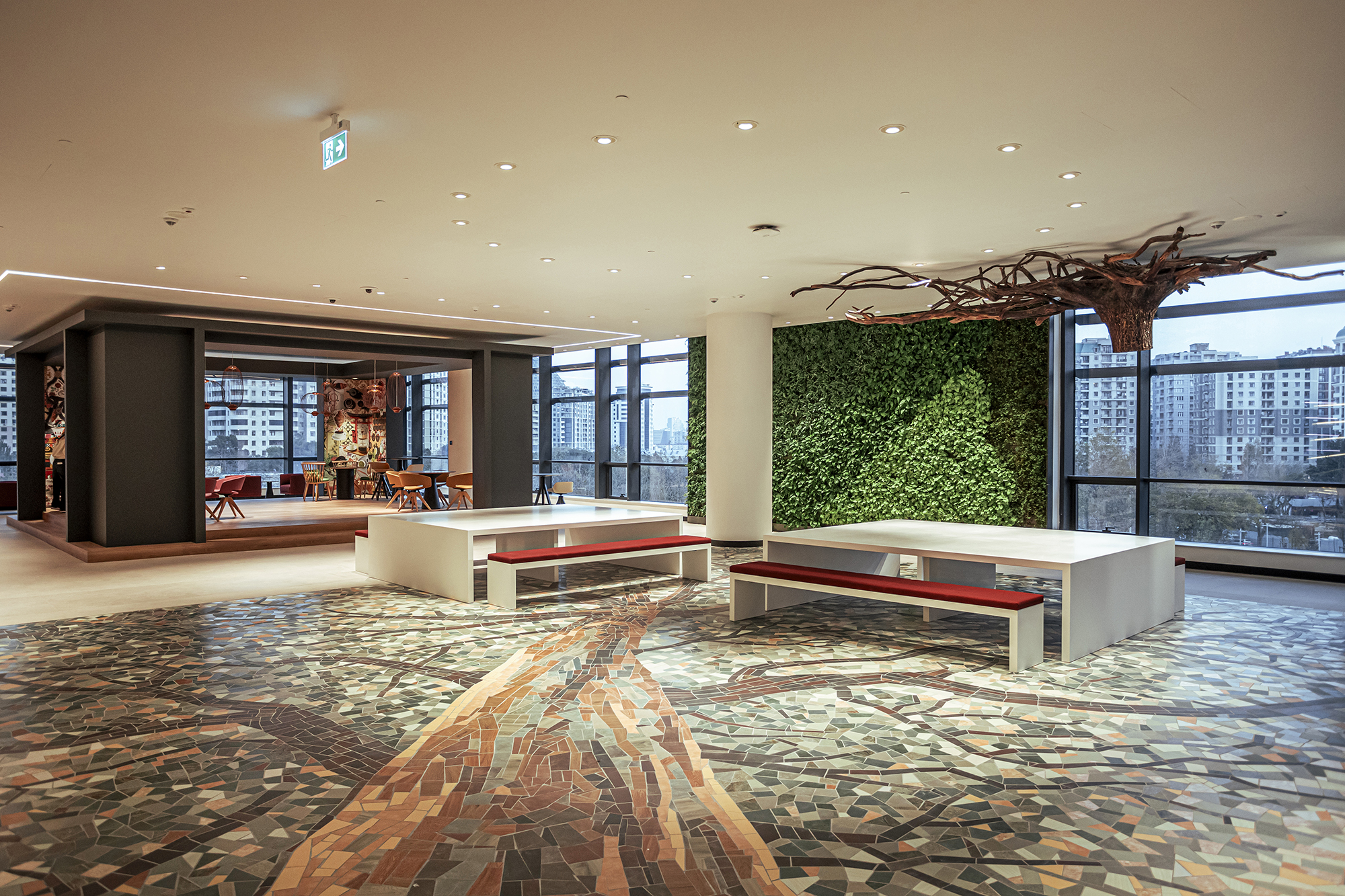
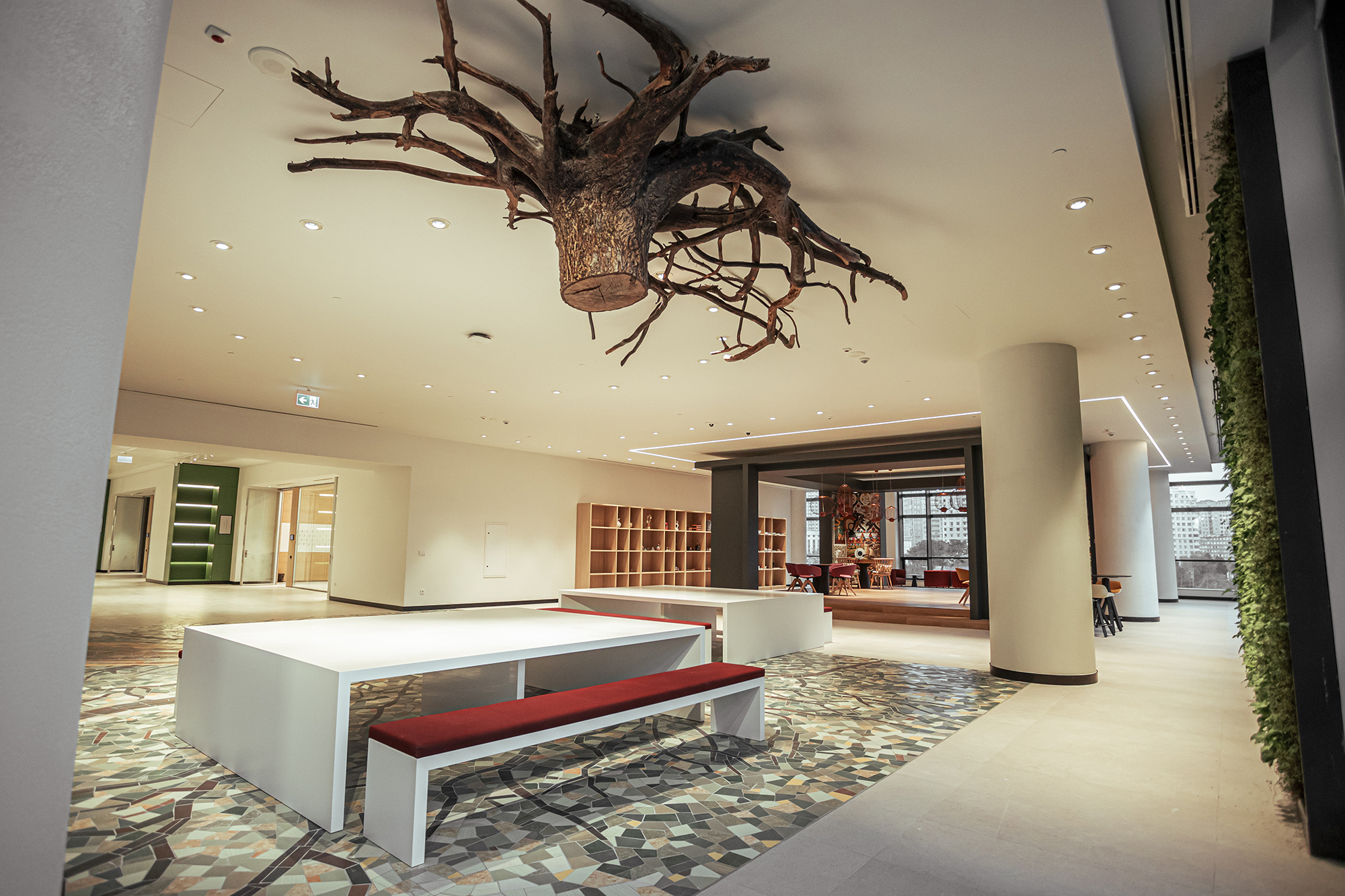
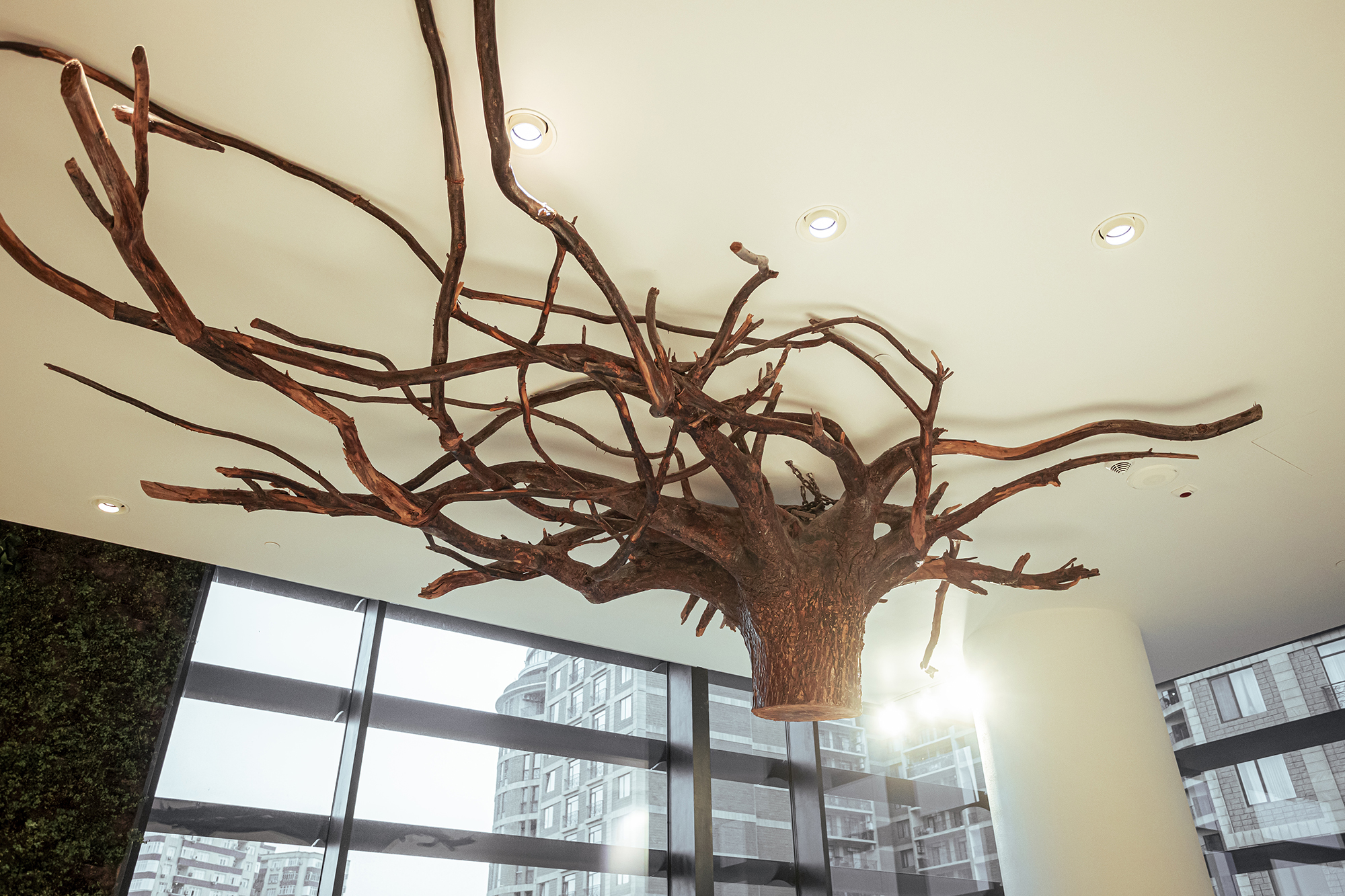
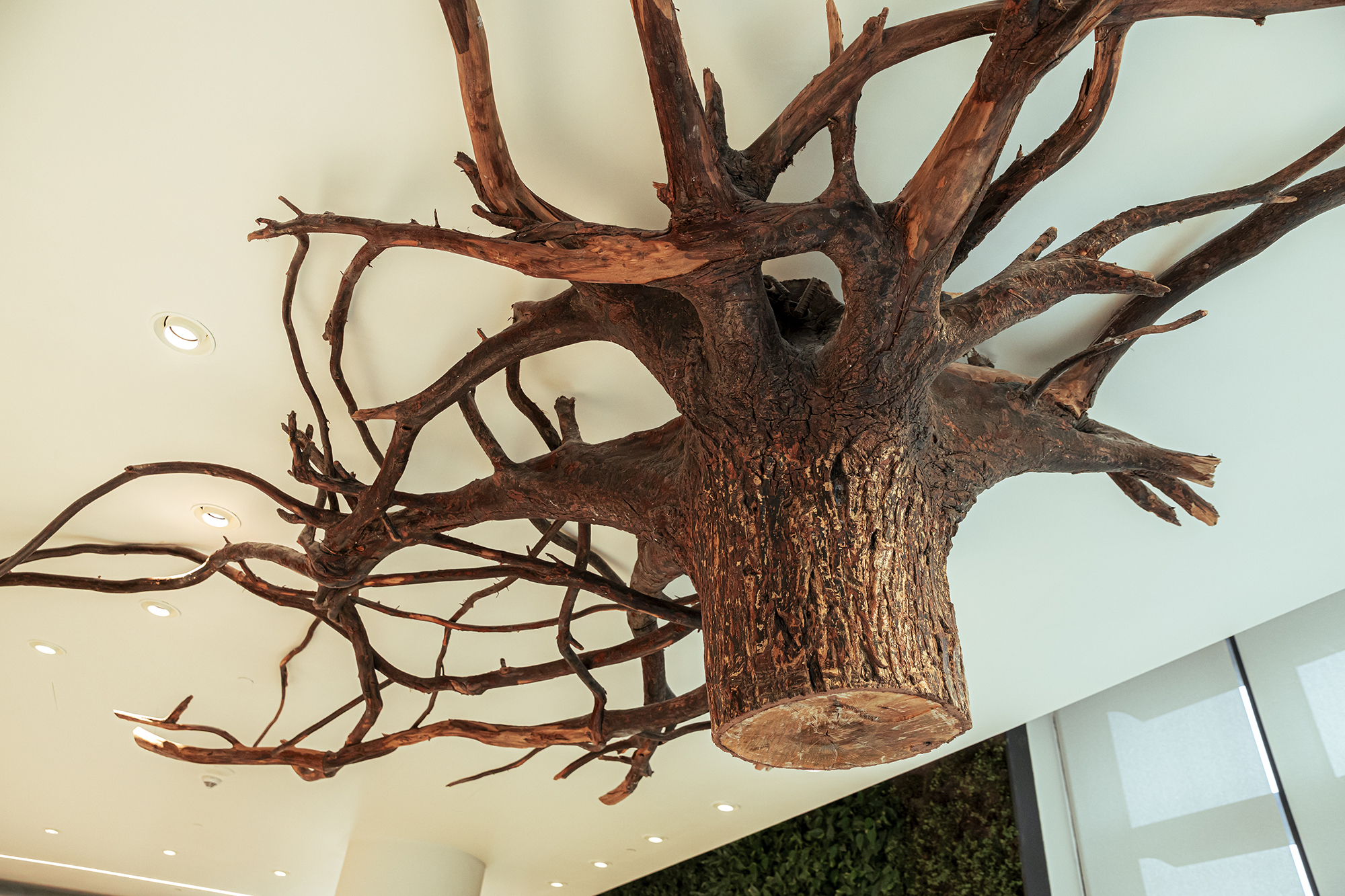
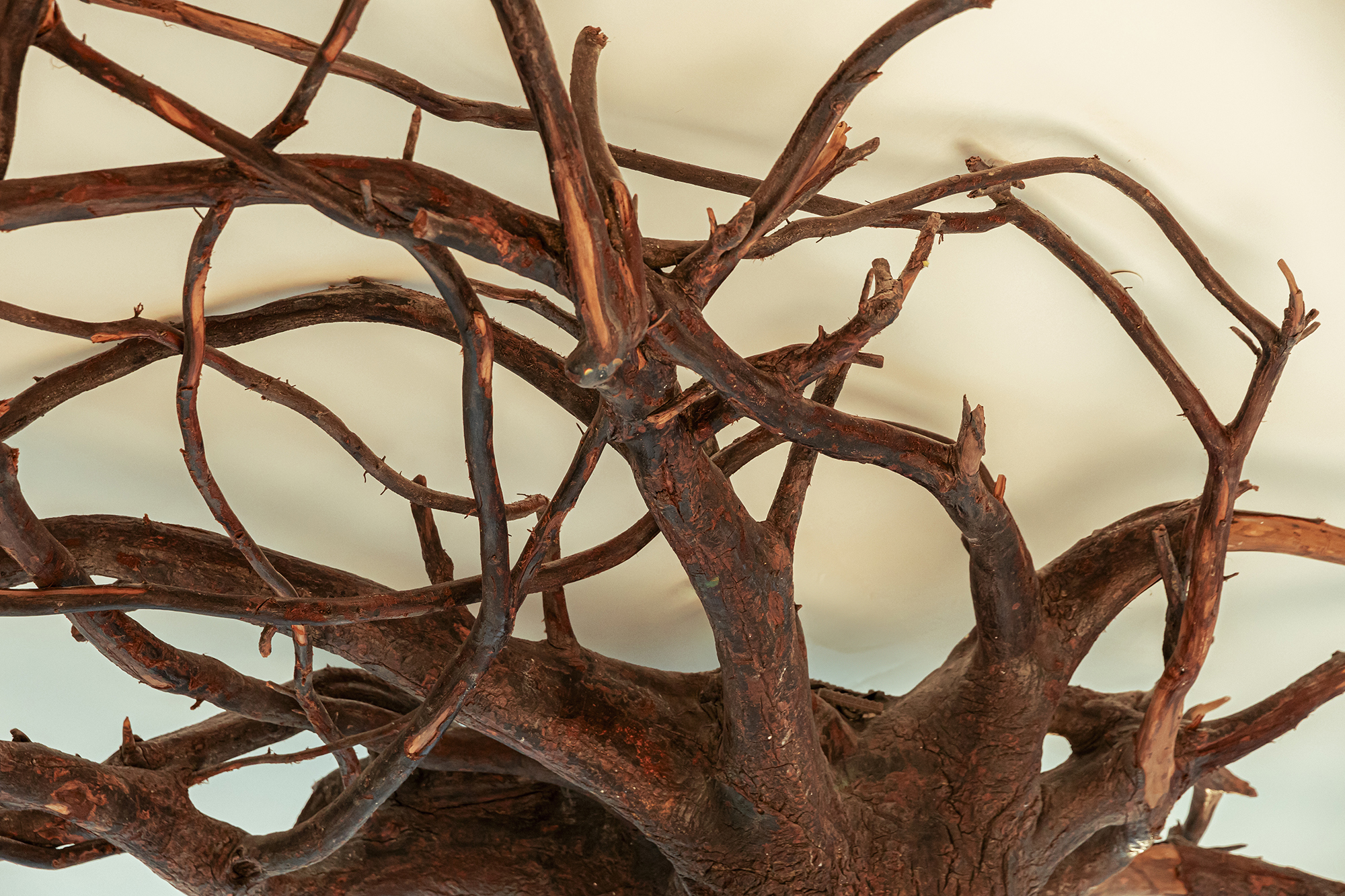
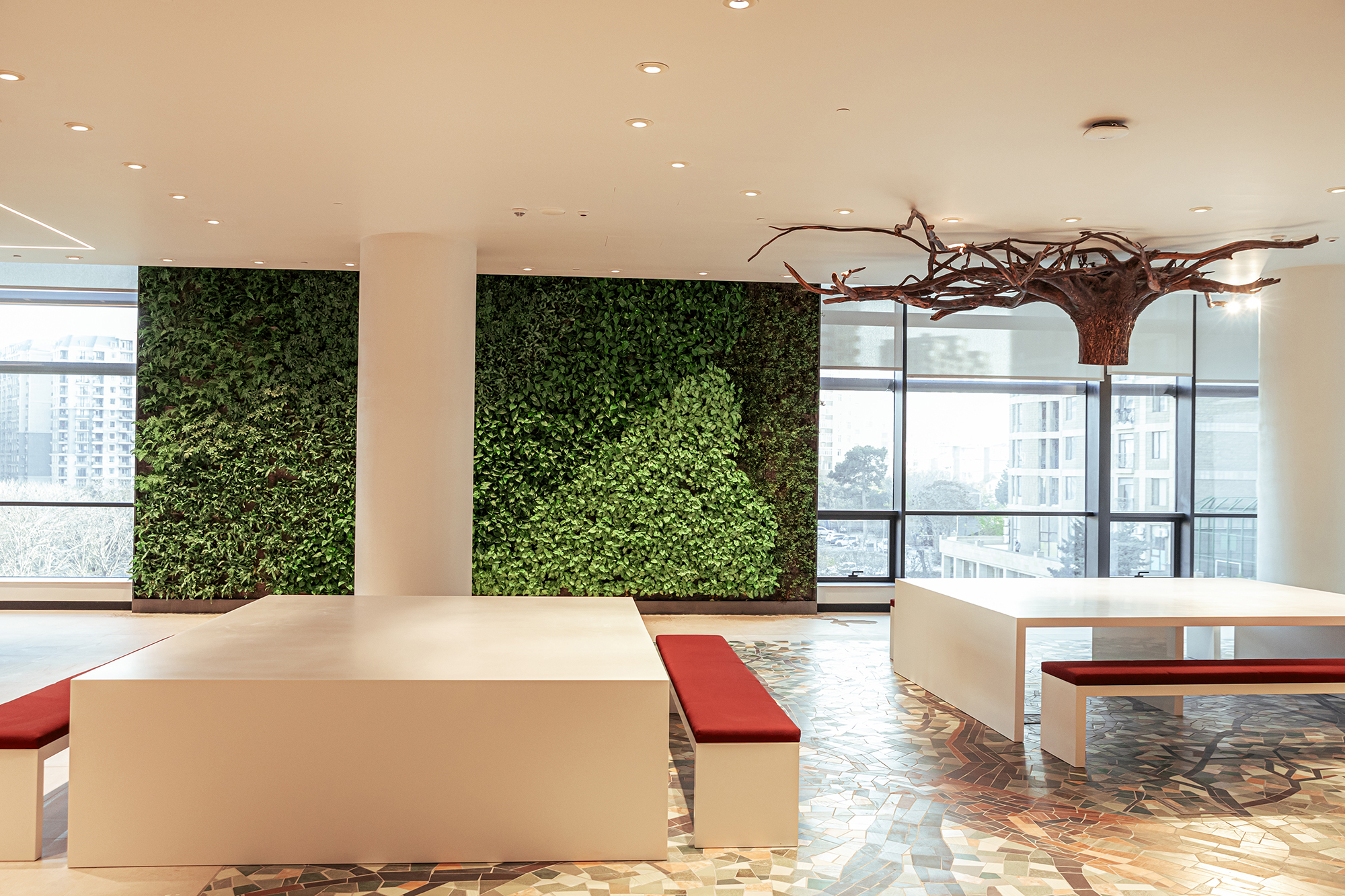
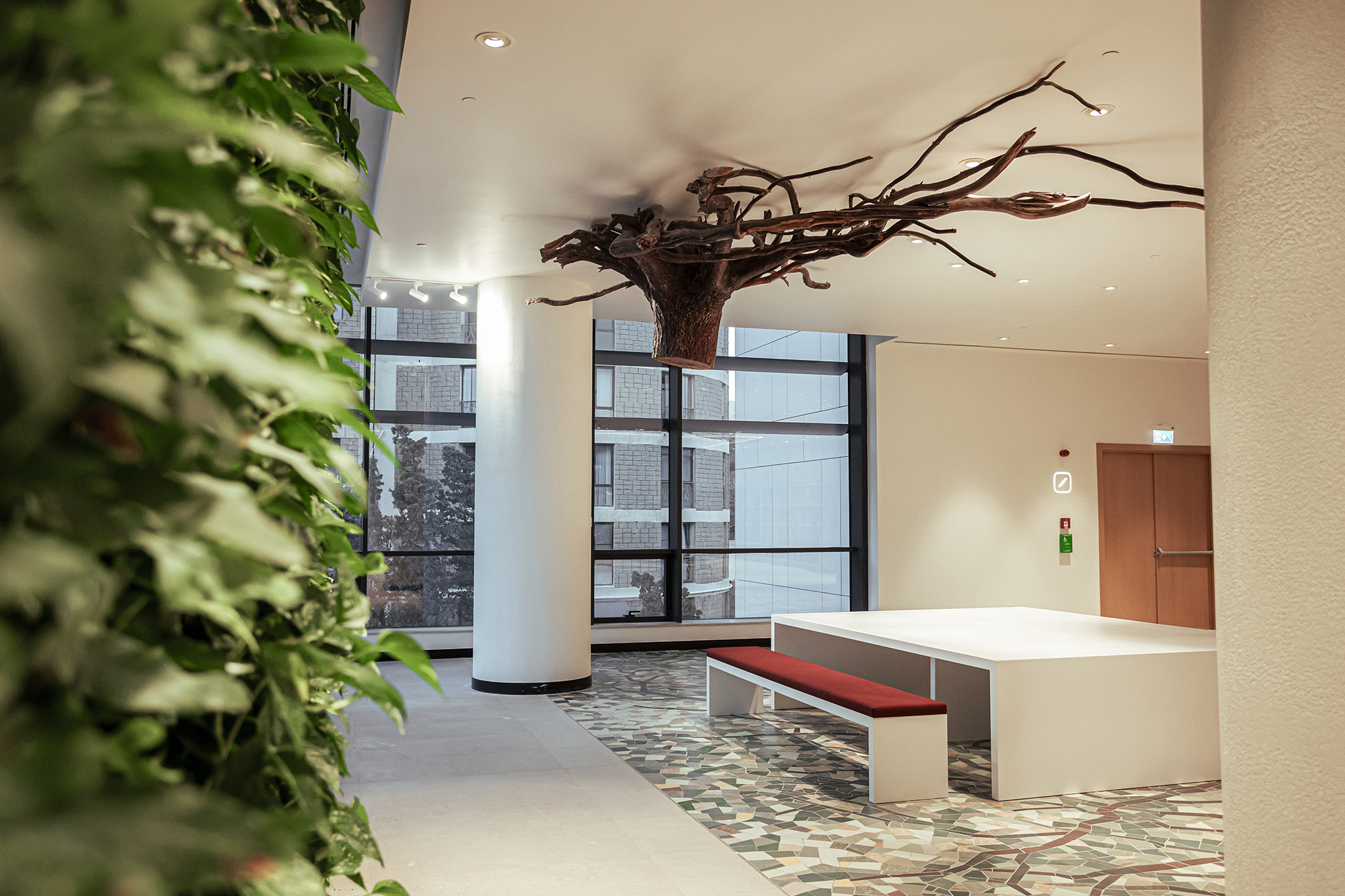
This composition offers a critical reflection on the relationship between humanity and nature. It reveals how human intervention has inverted the balance of the natural world — forests have been destroyed, rivers redirected, and the breath of the soil suffocated beneath concrete. What remains are mere imitations — rootless, lifeless forms preserved for decoration, stripped of their essence. It speaks to a civilization that has forgotten the true meaning of life, cherishing its ornament while losing its soul.
Cultural/Artistic Inspiration
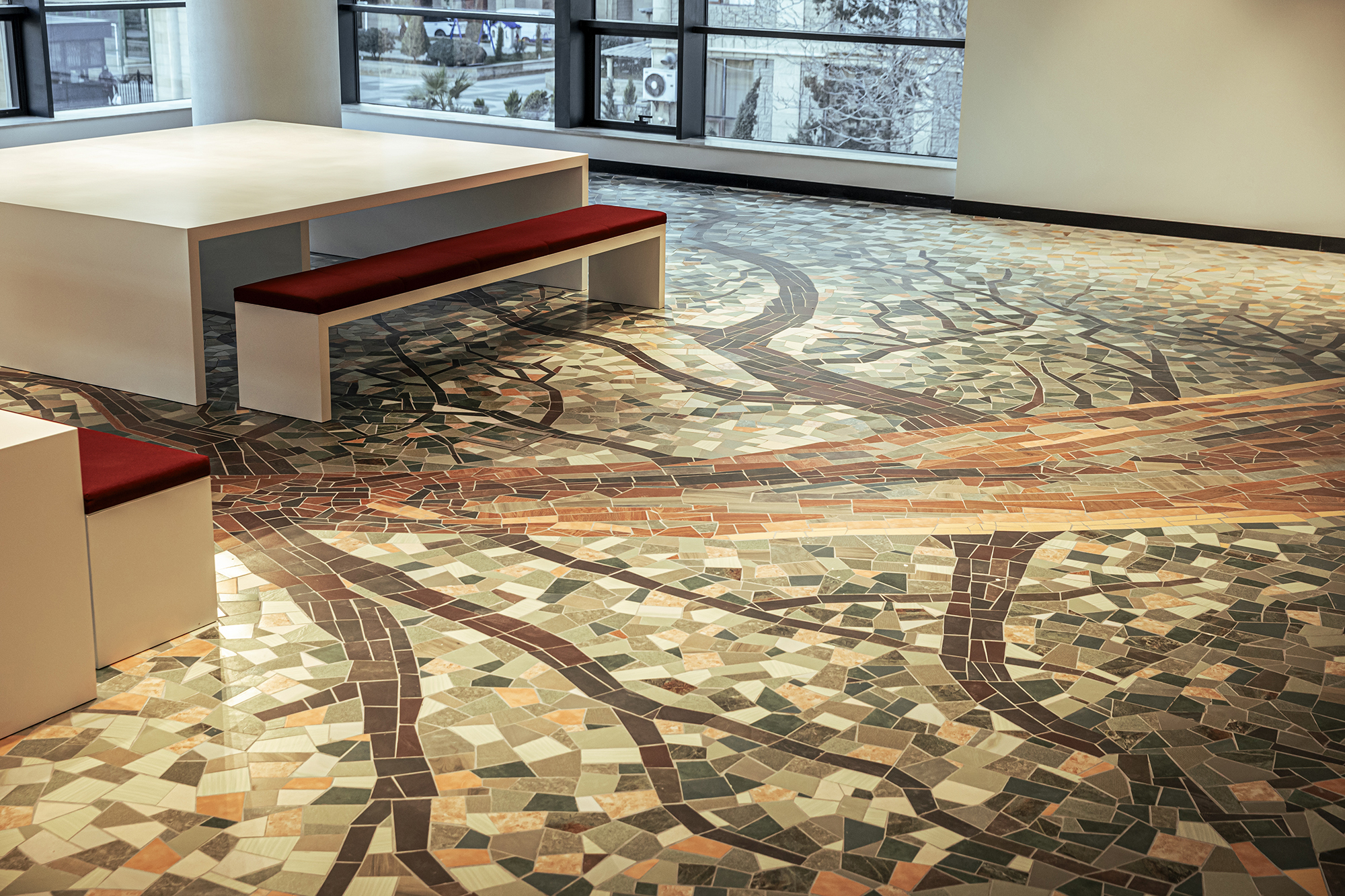
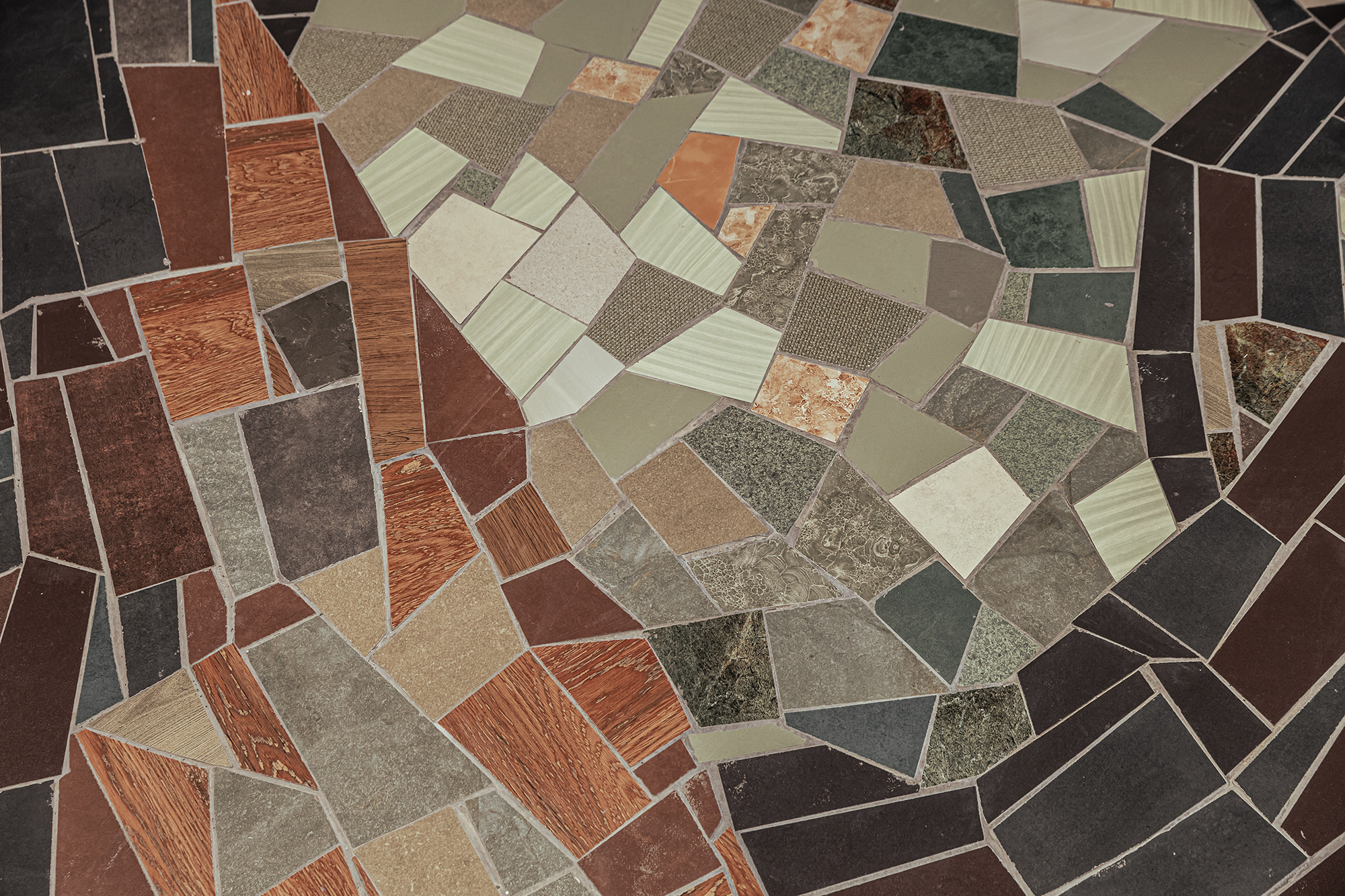
The inverted tree is, in truth, a metaphor for humanity itself. Humans, too, have turned their roots toward the sky, distancing themselves from the soil — the very source that once sustained them. Cities, buildings, and roads have become their new “earth,” but this ground bears no fruit; it gives only stone and silence. The mosaic beneath mirrors this alienation — art that imitates life but cannot recreate its vitality. The work visually contrasts the organic and the artificial, the living and the lifeless, confronting the viewer with a world where nature’s pulse has been replaced by stillness. “Tree and Mosaic” stands as both a warning and a confession. A warning — because a humanity content with the image of life will one day lose life itself. A confession — because much of what was once natural within us has already been lost. As the tree’s roots reach upward, it seems to whisper: “Life is not merely existence; it is connection — to earth, to water, to sunlight.” Yet we no longer hear it, for the silence of stone has grown too heavy to let sound through. This artwork compels the viewer to contemplate a haunting question: If roots are no longer in the soil, where do we truly belong? For life that has lost its bond with the earth is no longer life — it is merely the hollow image of existence.