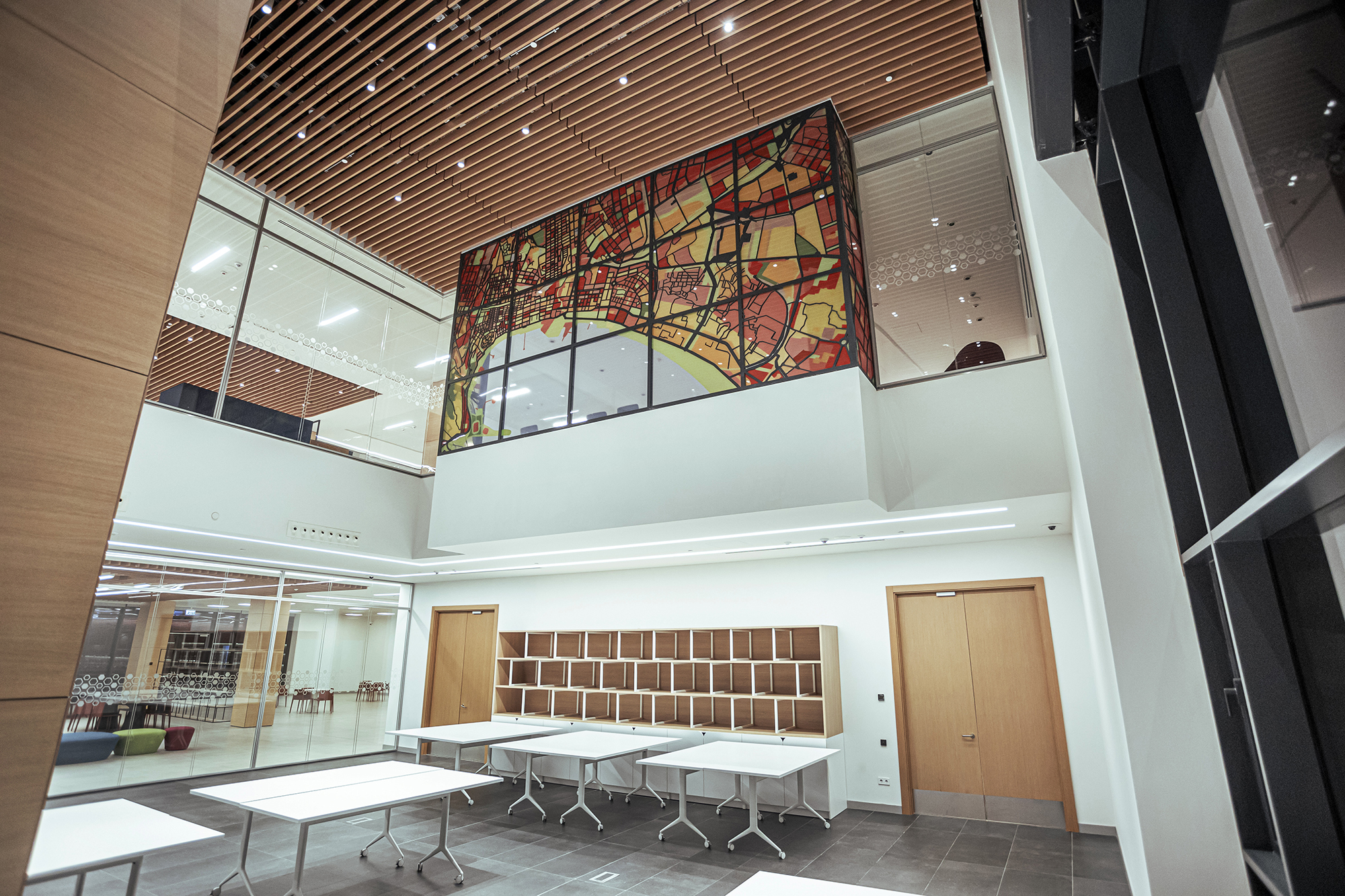
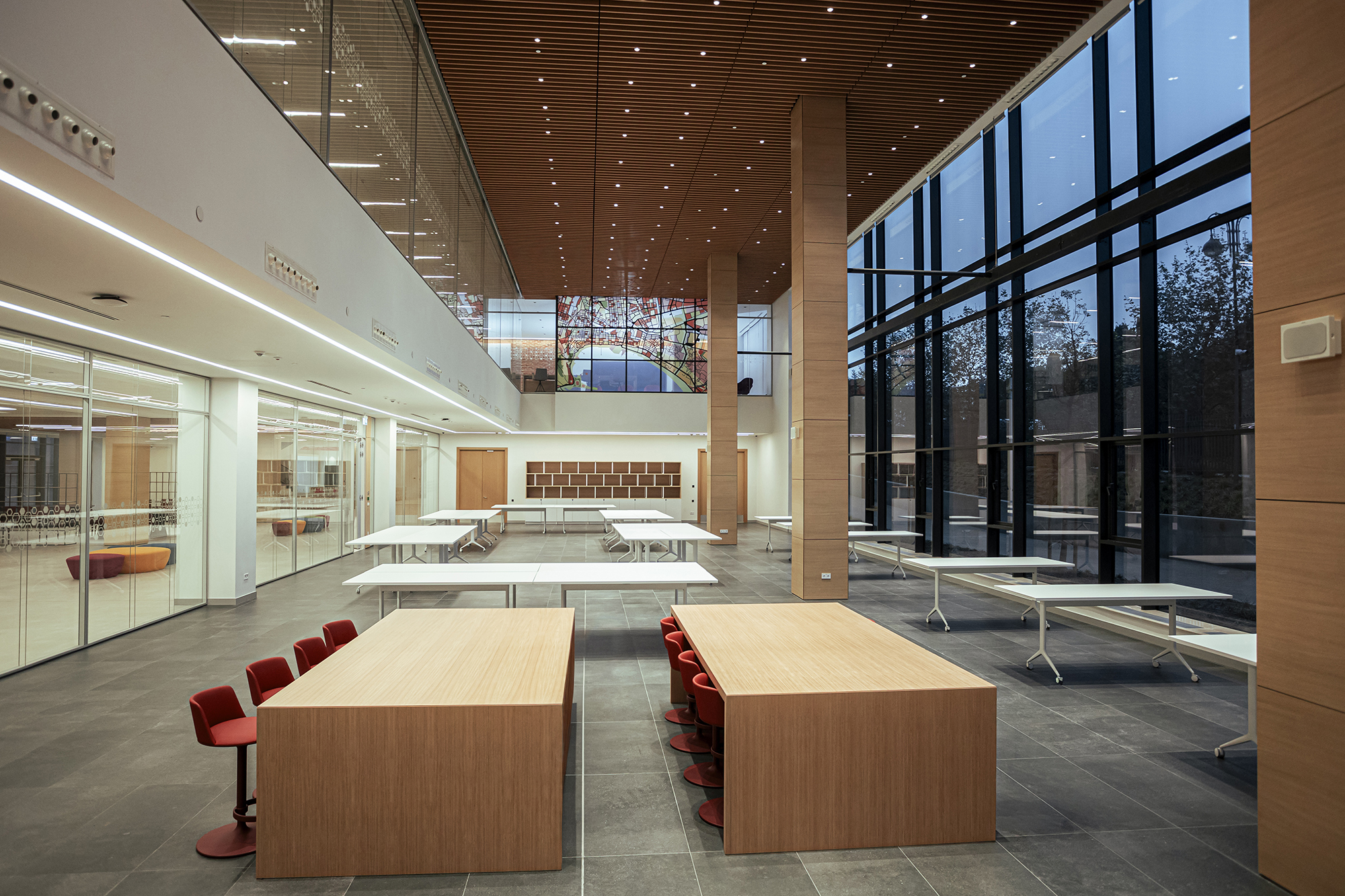
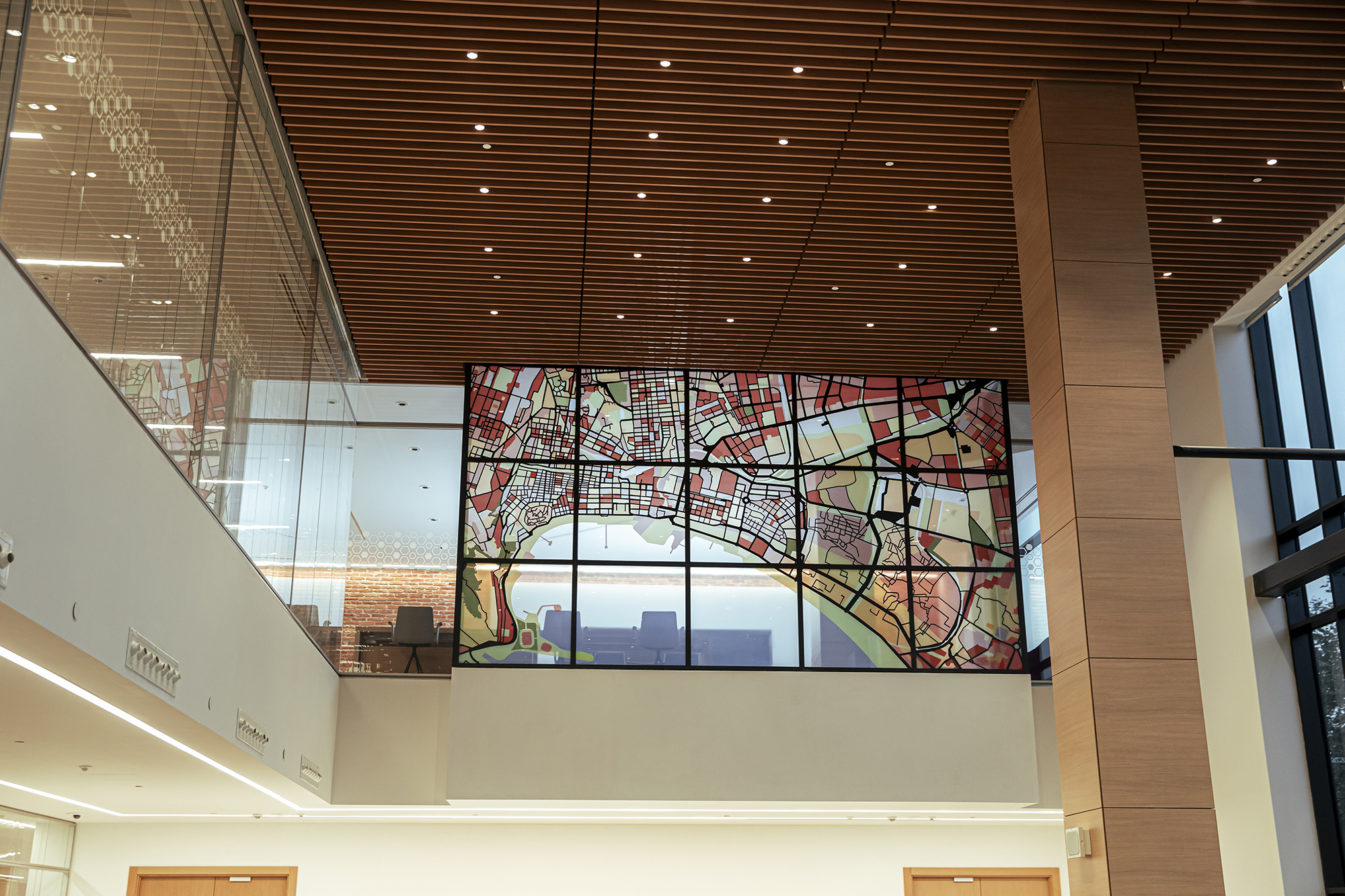
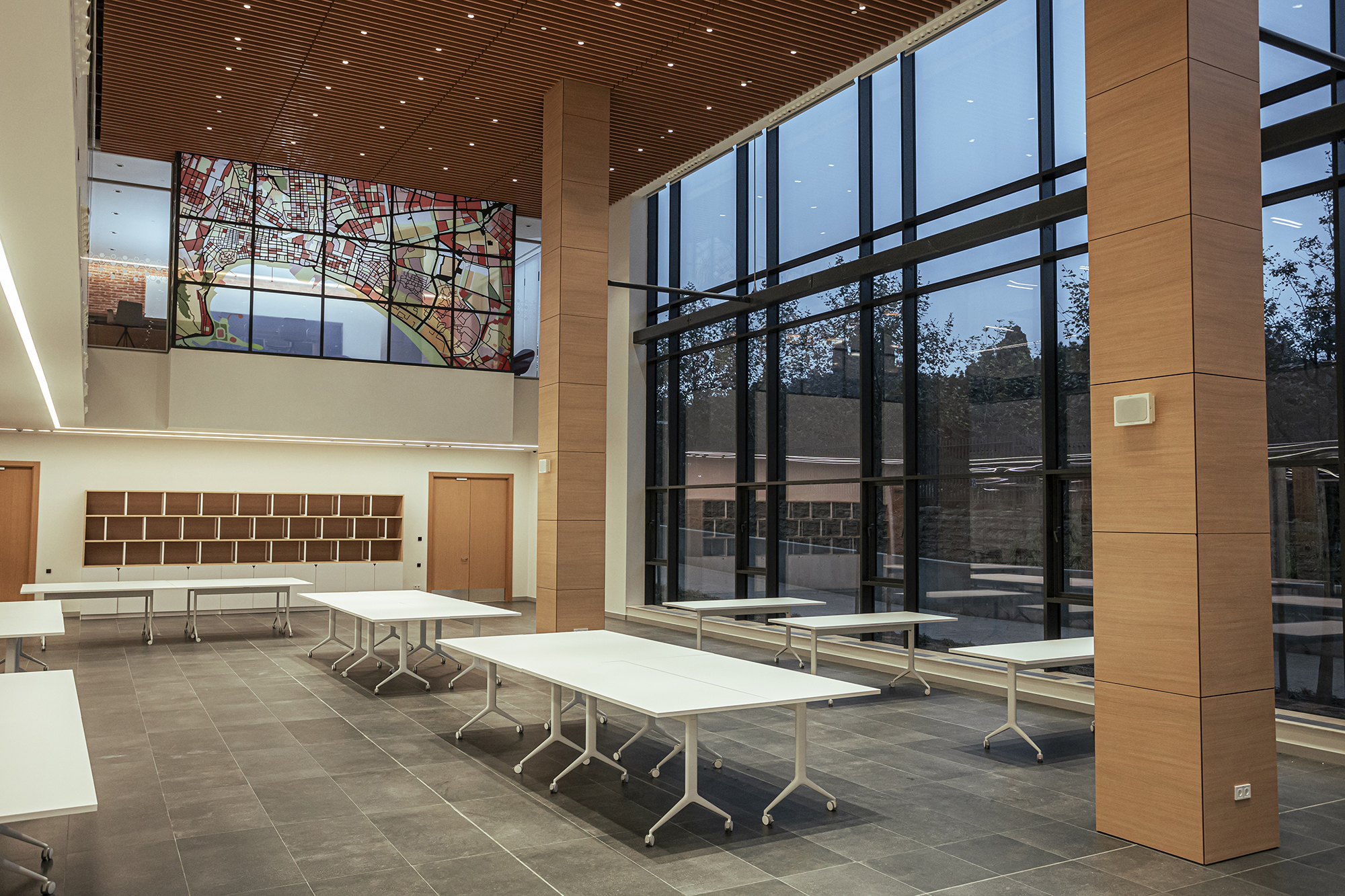
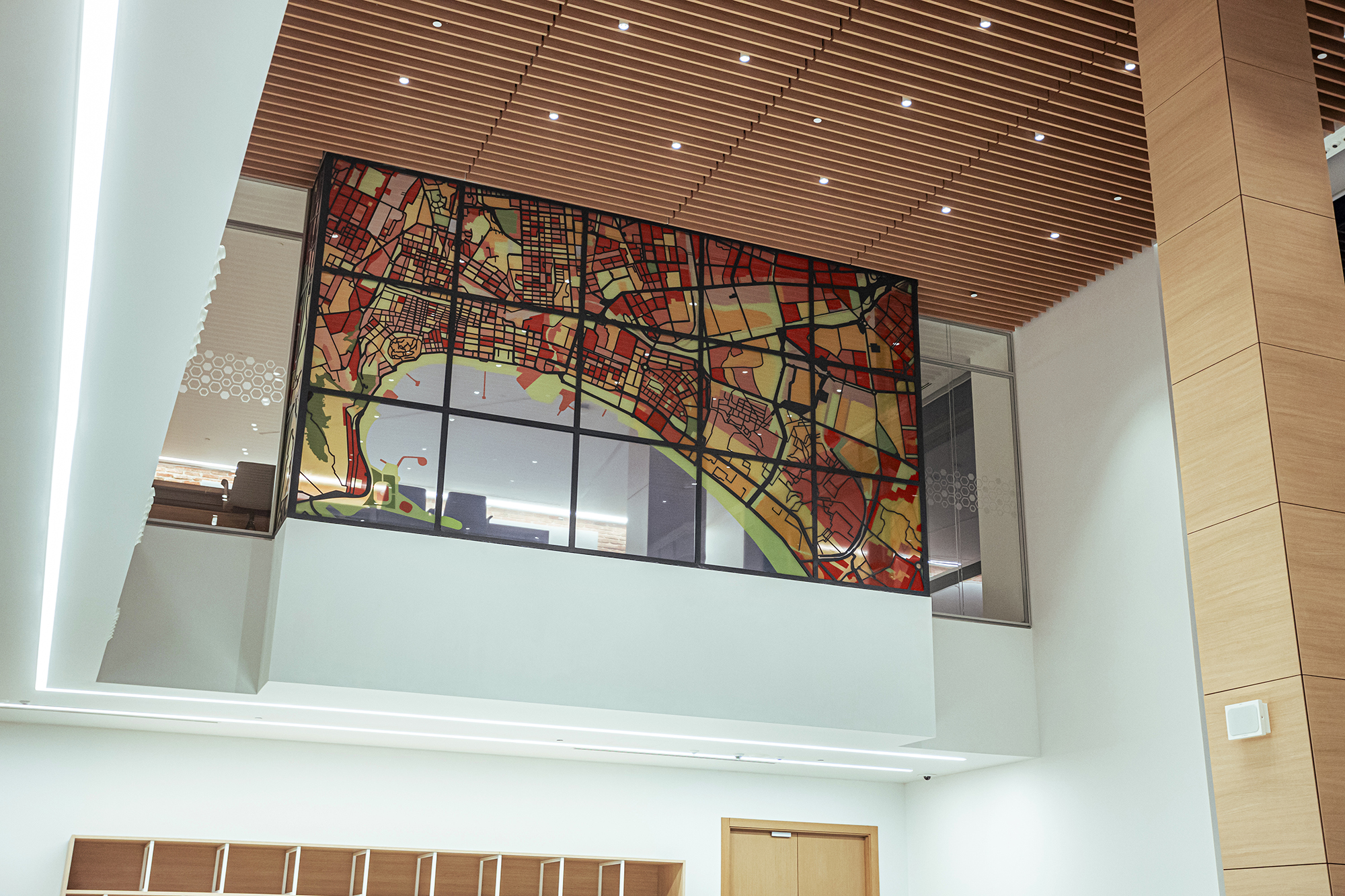
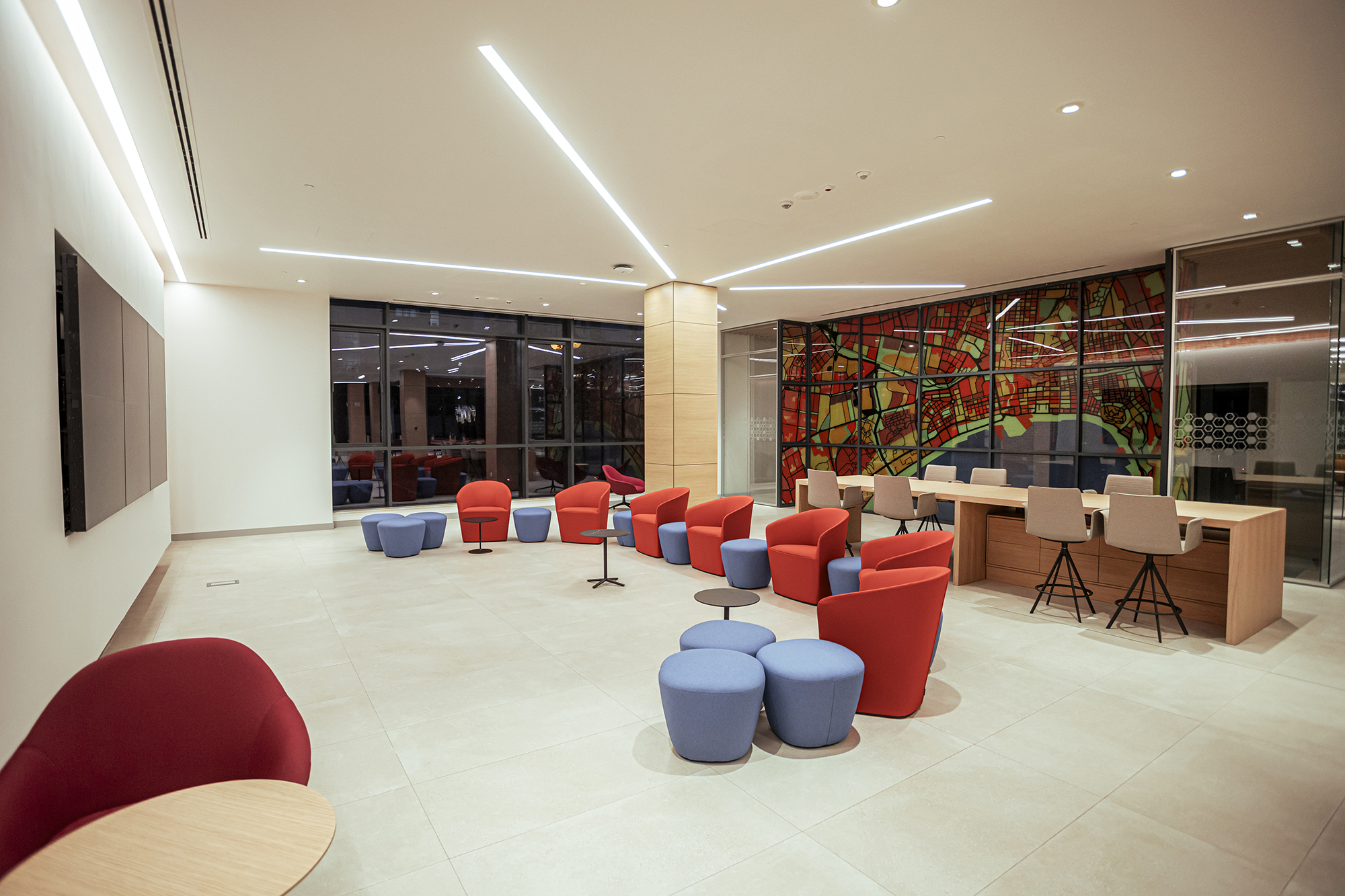
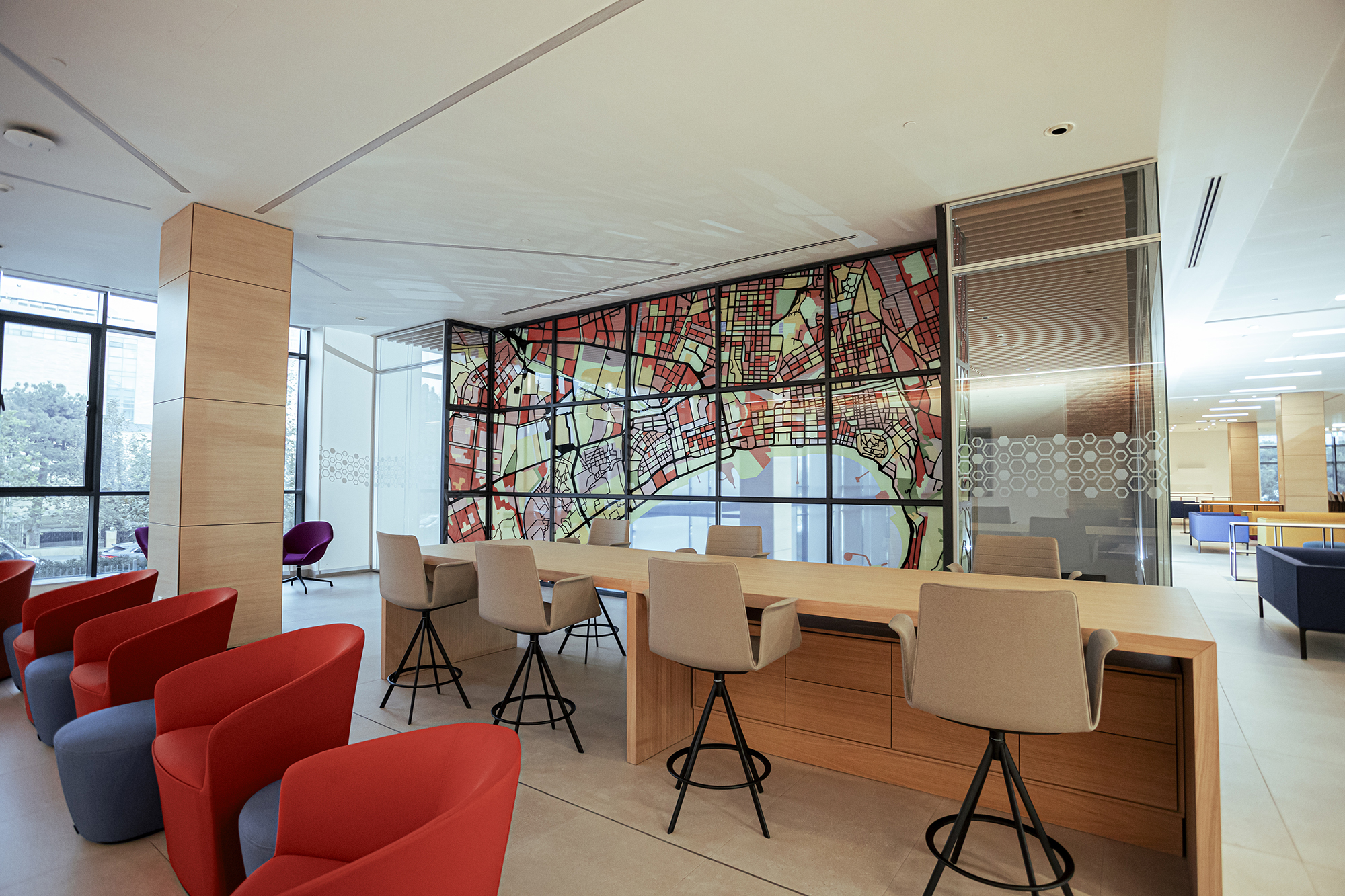
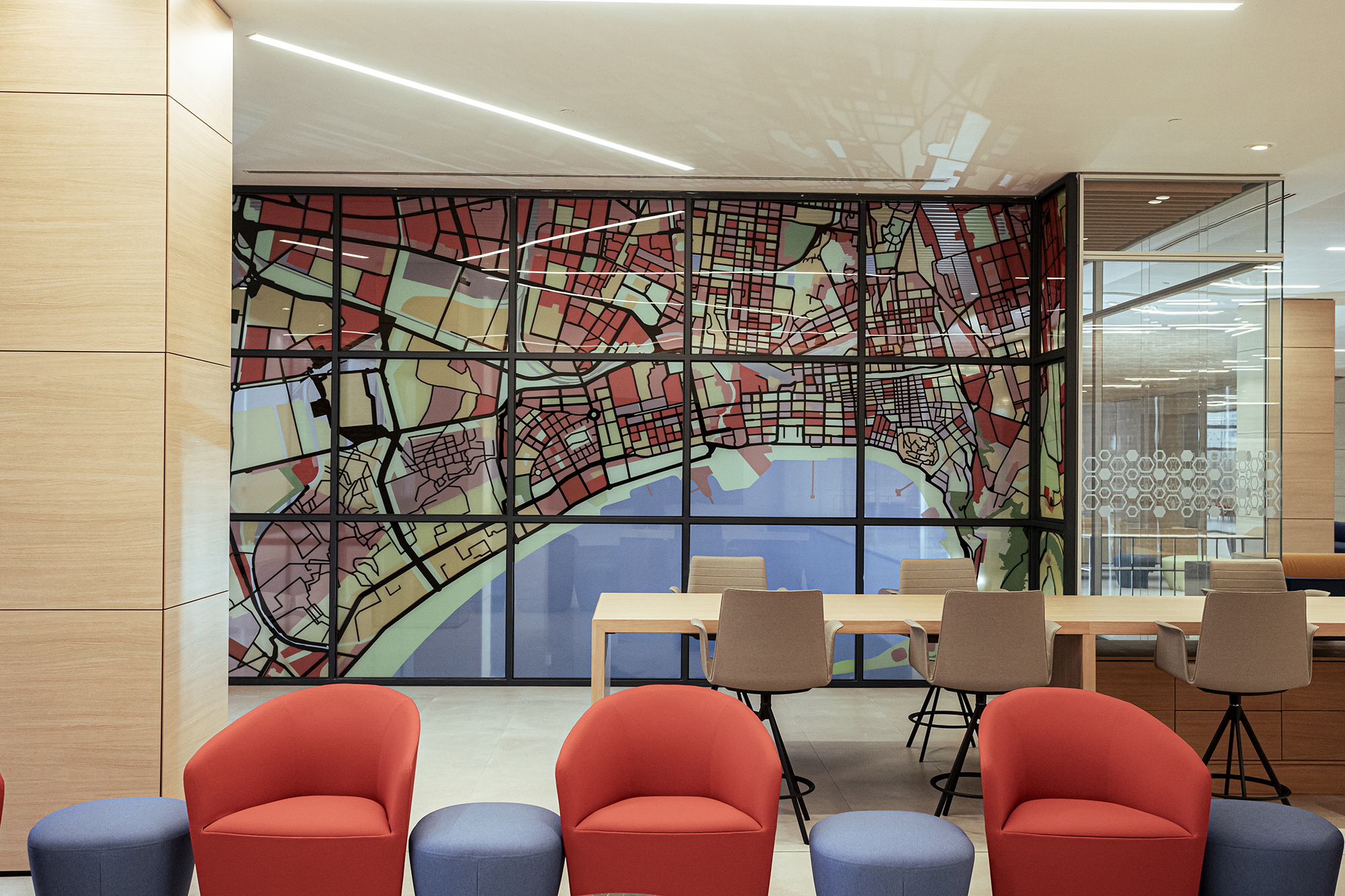
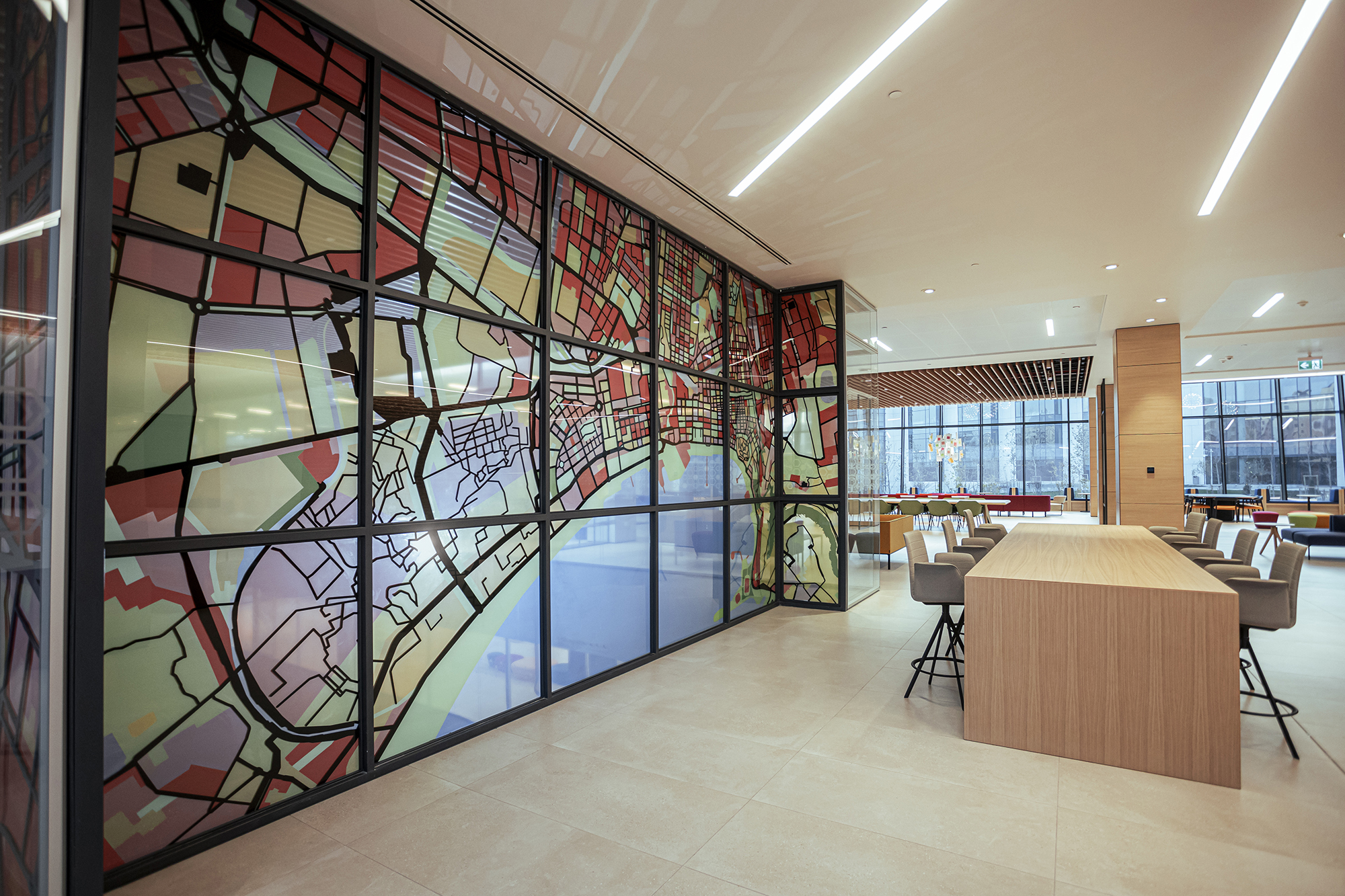
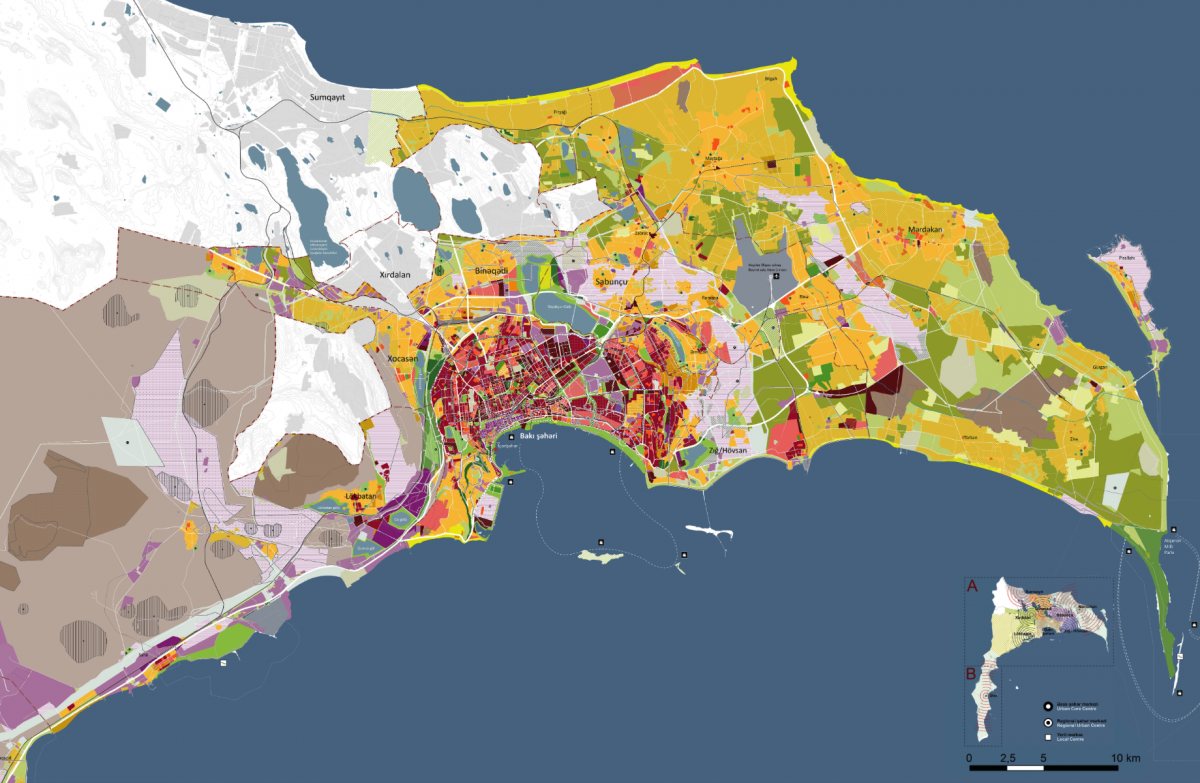
Map of Baku
Historical Context
The design draws upon centuries-old Azerbaijani art traditions, particularly those associated with cityscape representations, tile work, and textile motifs. Using stained glass as a medium transforms these traditional patterns into a contemporary art form, symbolizing Baku's historical development as a major cultural, economic, and political hub in the region. Historically, Baku has been a crossroads of civilizations and a center of trade and cultural exchange. This artistic map encapsulates that legacy, demonstrating how the city’s physical and cultural landscapes have grown and intertwined over centuries. The artwork serves as a visual narrative of Baku’s journey from a small trading port to a global city, reflecting its resilience and ongoing progress.
Cultural/Artistic Inspiration
The artwork draws inspiration from Azerbaijani tile and carpet arts, known for their vibrant and symmetrical patterns. It reimagines these traditional motifs through the medium of stained glass, creating a modern expression rooted in cultural heritage. The piece underscores the importance of preserving Azerbaijani artistic traditions while transforming them into a symbol of Baku’s modern identity. Its significance lies in fostering a sense of rootedness and pride within the evolving urban landscape.
Special Appreciation
We extend our sincere gratitude to the Baku General Directorate for Architecture and Urban Planning for their valuable support and contribution in providing access to historical materials and design references that helped realize this corner.