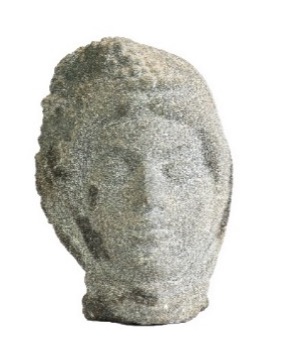
Girl from Lankaran
Historical Context
Throughout the history of Azerbaijani sculpture, the female figure has served as a symbol of national identity, cultural heritage, and spiritual values. Inspired by the people of the Lankaran region in southern Azerbaijan, Girl from Lankaranreflects the traditions, natural beauty, and distinctive cultural identity of the region. The sculpture transcends portraiture, becoming a universal representation of Azerbaijani womanhood and its enduring connection to nature, grace, and inner strength.
Cultural/Artistic Inspiration
The subject’s calm and composed gaze, softly modeled facial features, harmonious proportions, and concise sculptural treatment evoke a sense of inner balance and natural grace. The simplicity of the artistic language demonstrates the sculptor’s intention to create emotional impact not through elaborate detail, but through the integrity of form and expressive character. The gentle inclination of the head and the serene facial expression lend the figure elegance and sincerity. More than the portrait of a young woman, the sculpture serves as a symbolic representation of the grace, close relationship with nature, and spiritual richness traditionally associated with Azerbaijani women.
Author
Eldar Heydar oghlu Zeynalov was born on 22 August 1937 in Baku, Azerbaijan. From 1963 to 1968, he studied at the Vera Mukhina Leningrad Higher School of Art and Industry (now the Stieglitz State Academy of Art and Design, Saint Petersburg). Throughout his career, Zeynalov created numerous monumental monuments, memorial plaques, sculptural ensembles, reliefs, and commemorative medals, making a significant contribution to the development of Azerbaijani monumental sculpture. In 1992, he was awarded the honorary title of Honoured Art Worker of the Republic of Azerbaijan.