History woven in knots
Historical Context
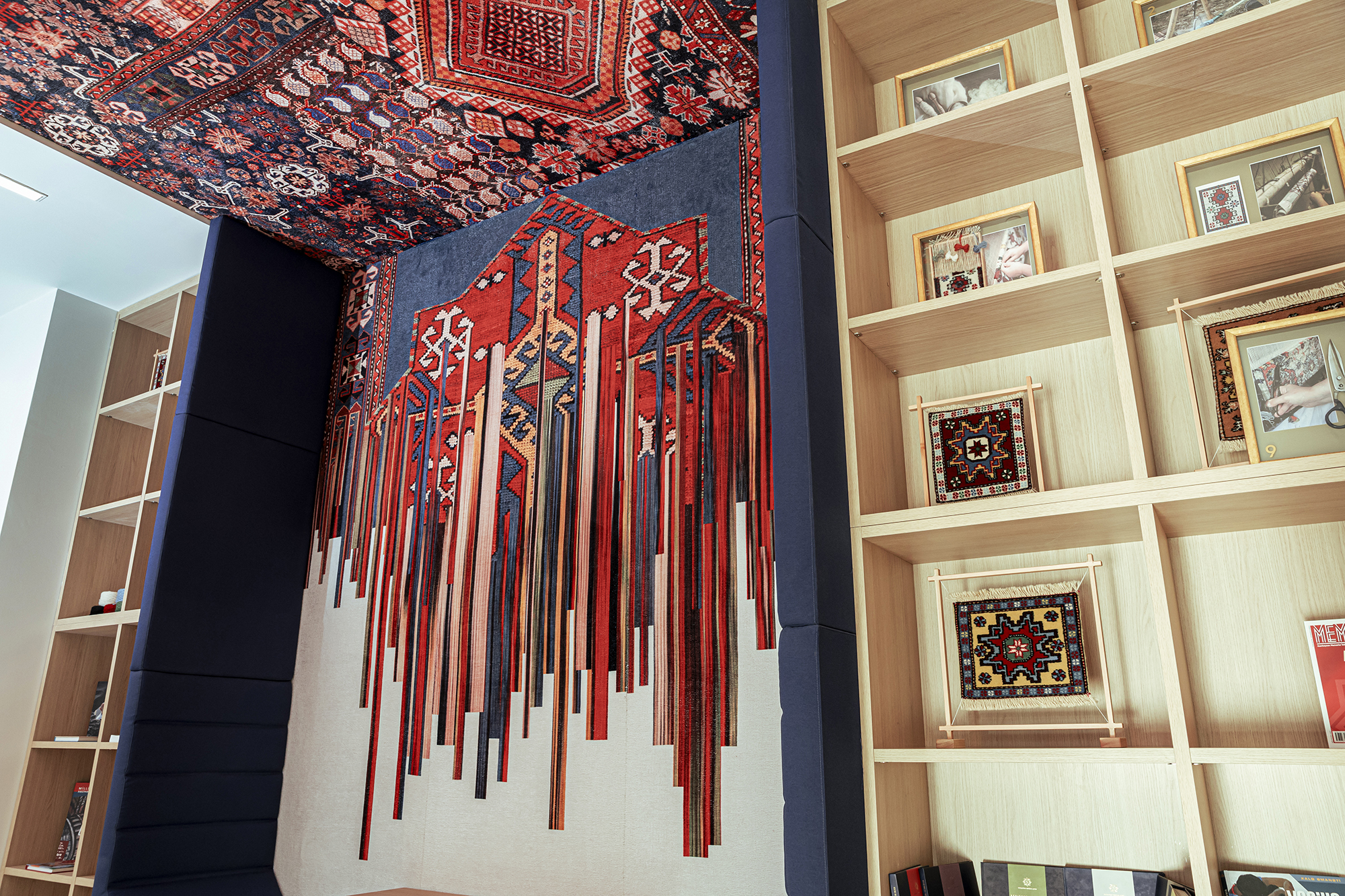
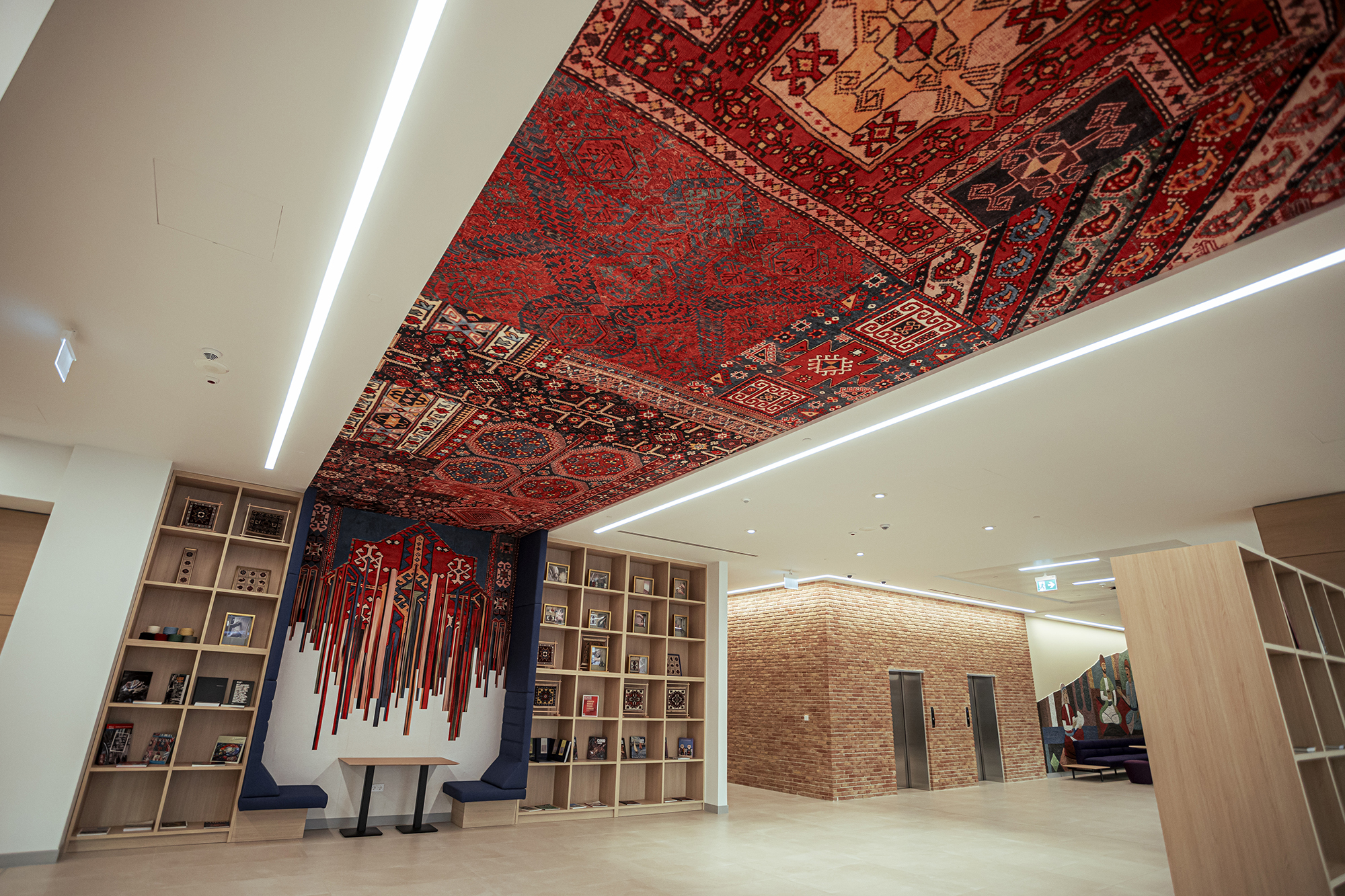
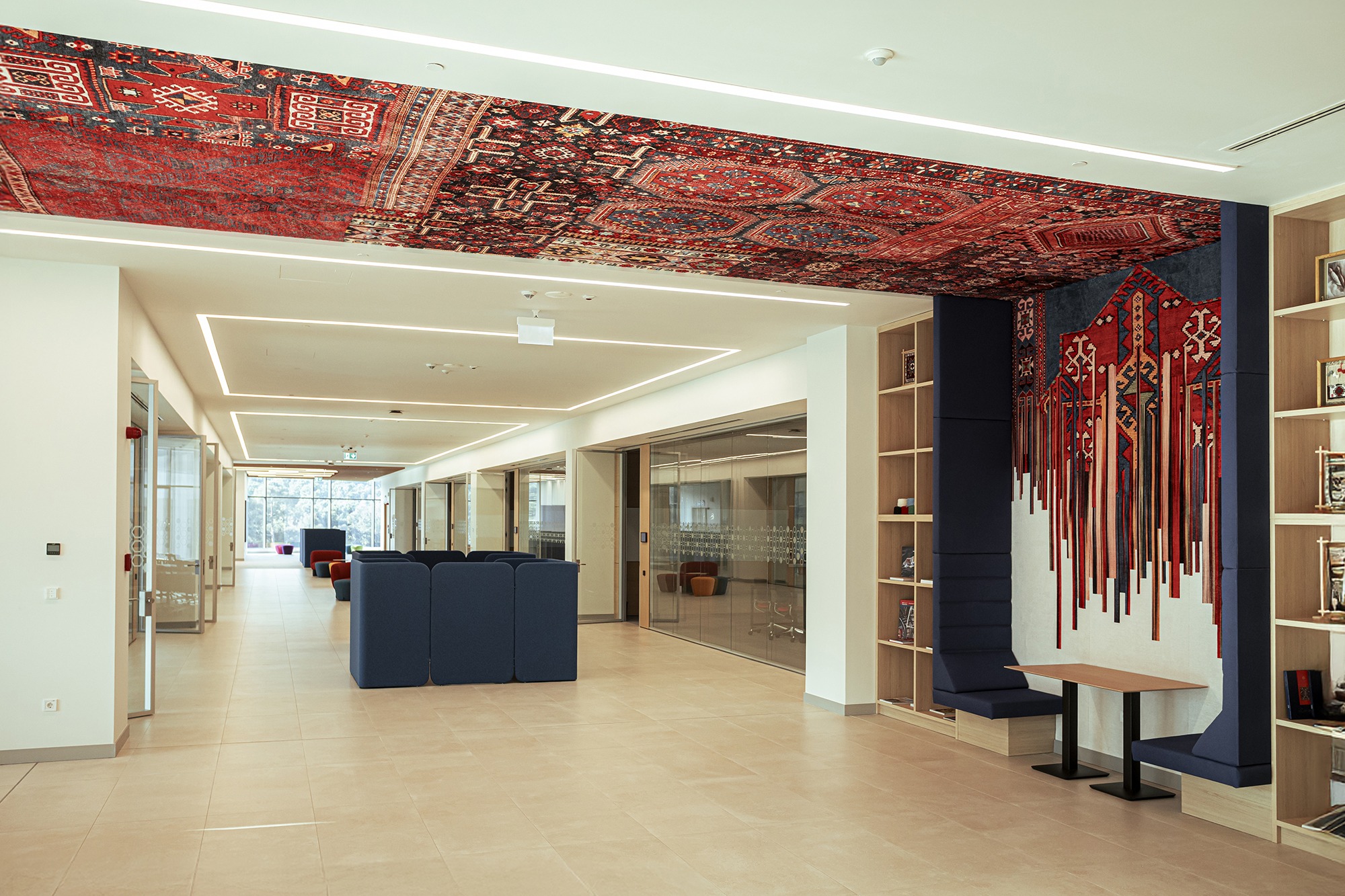
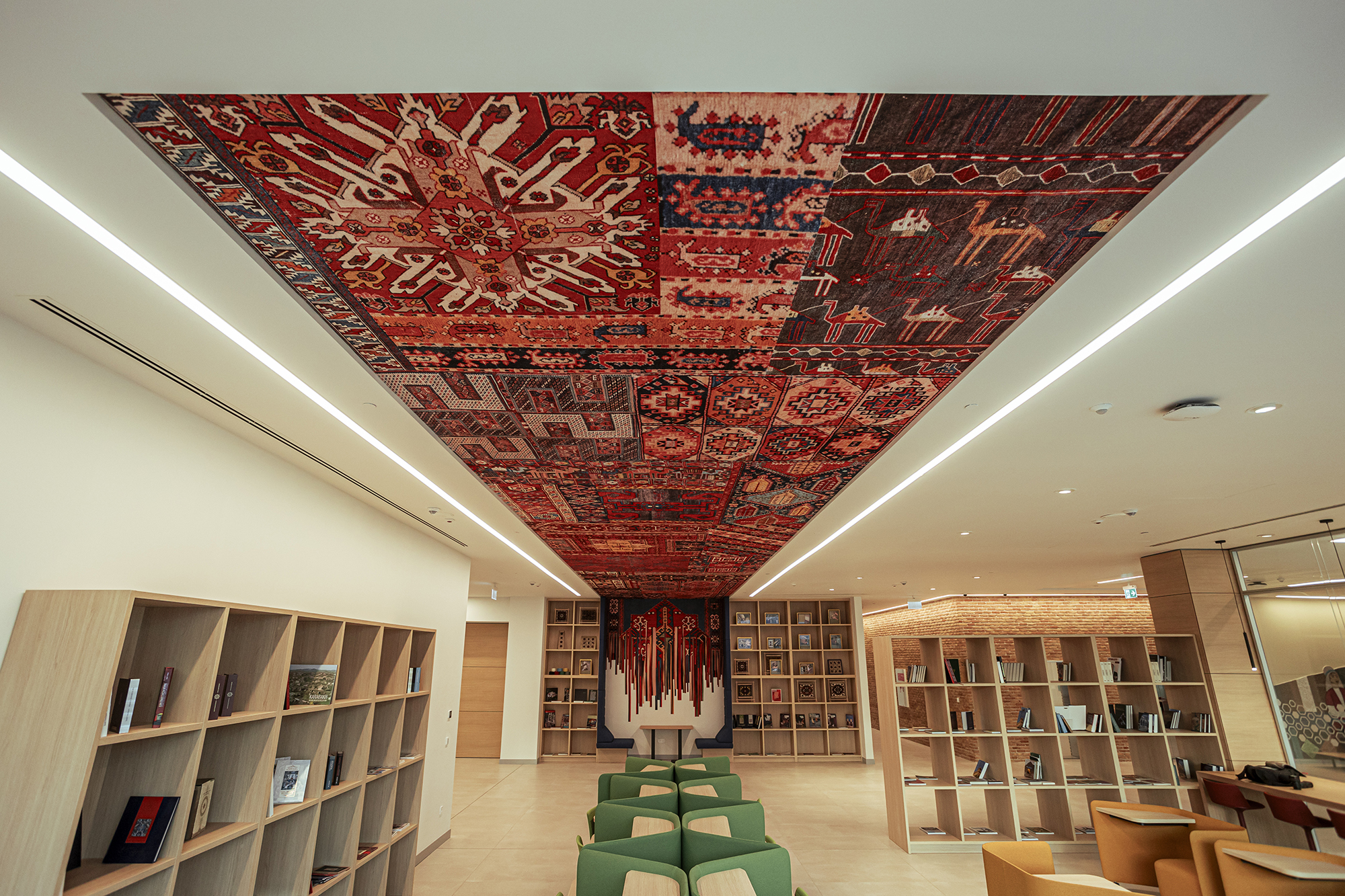
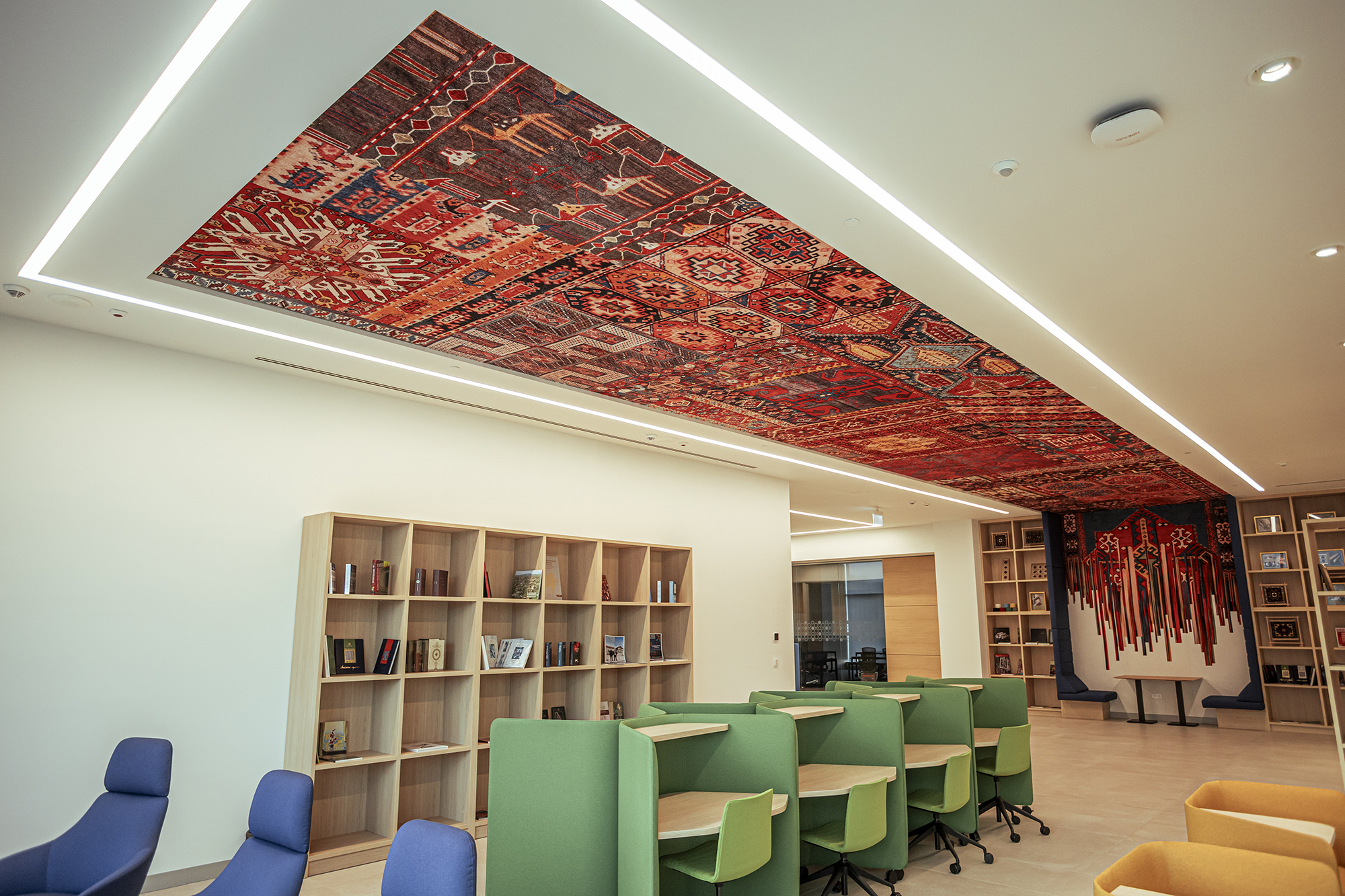
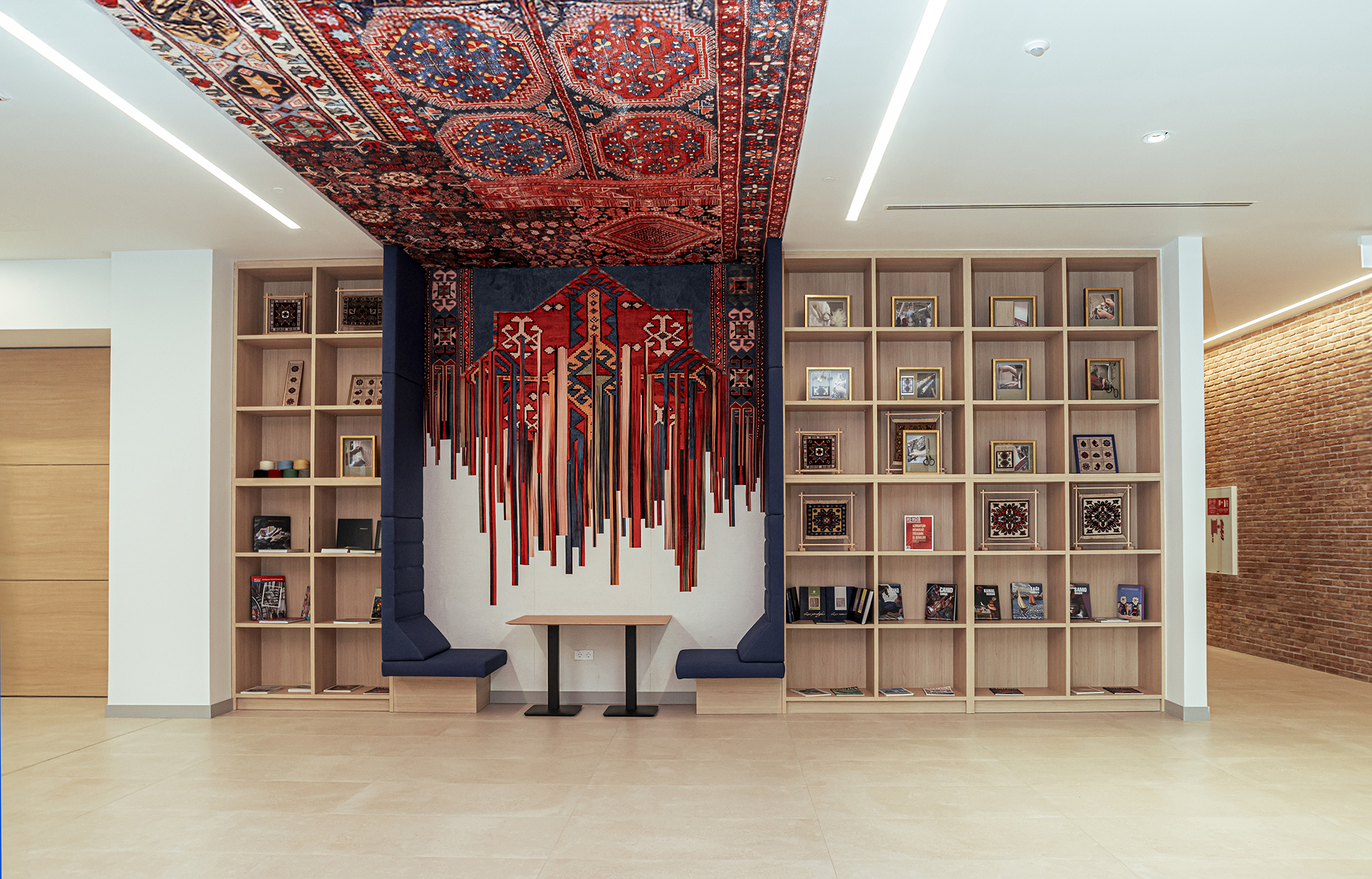
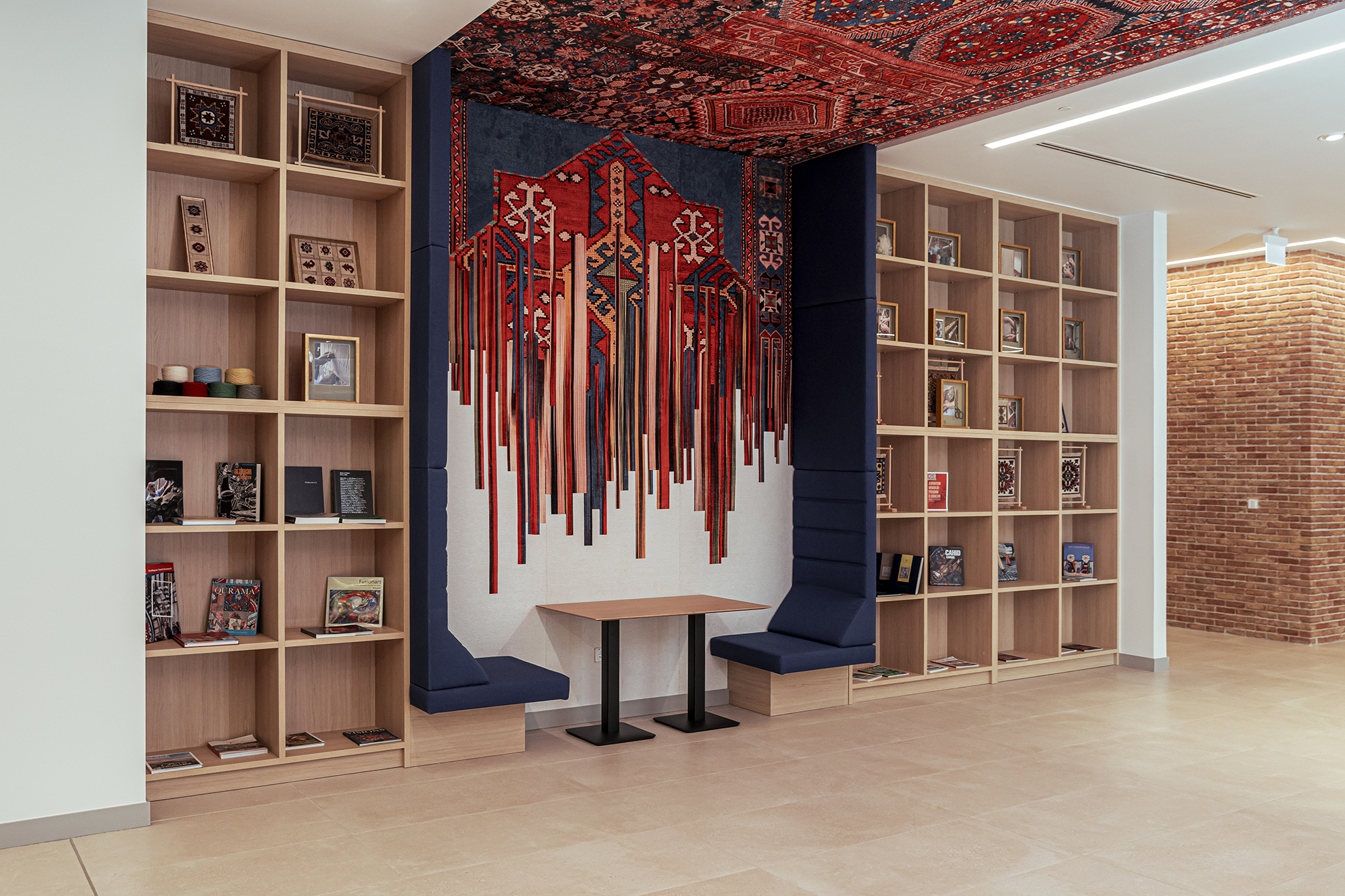
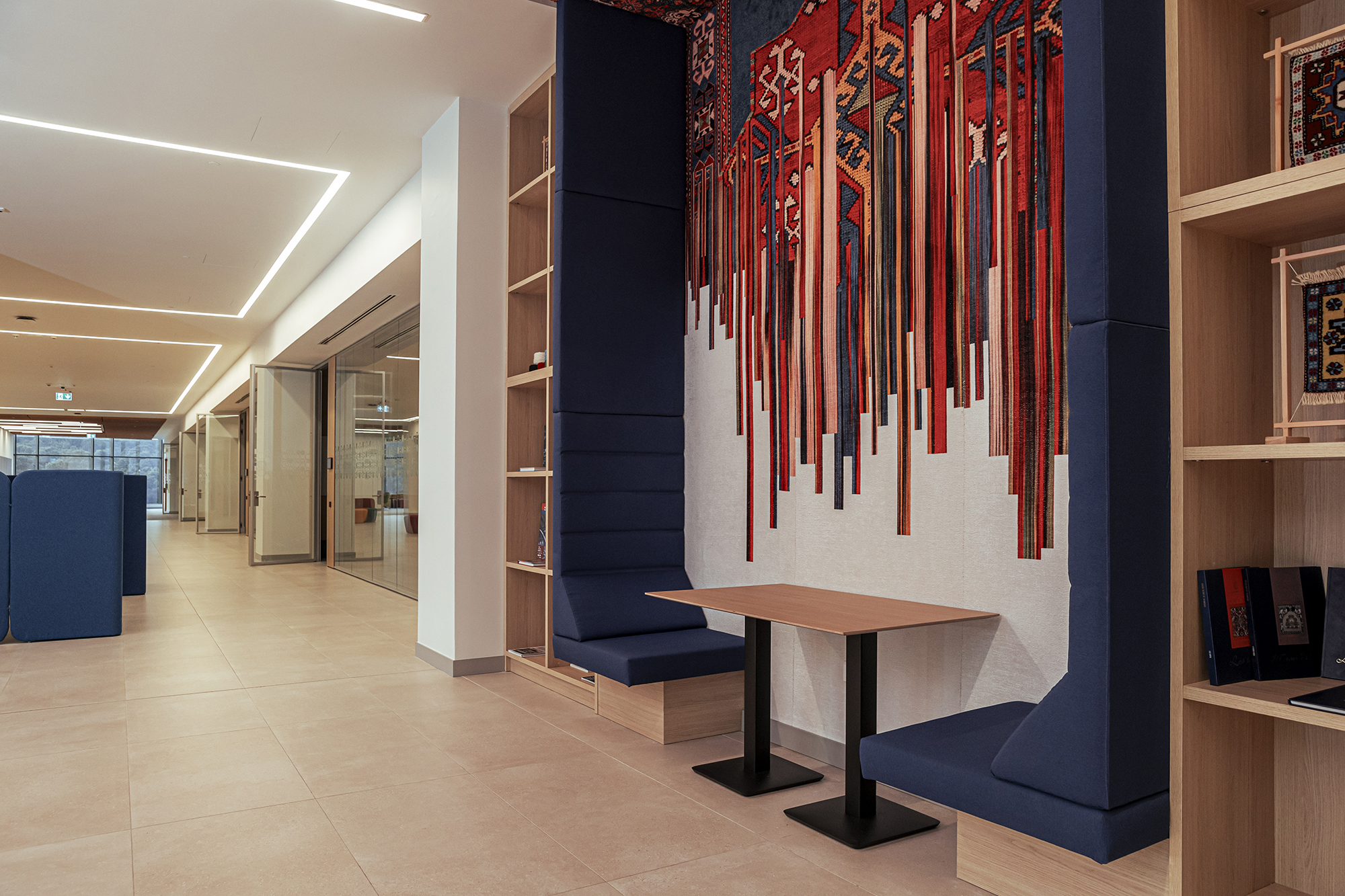
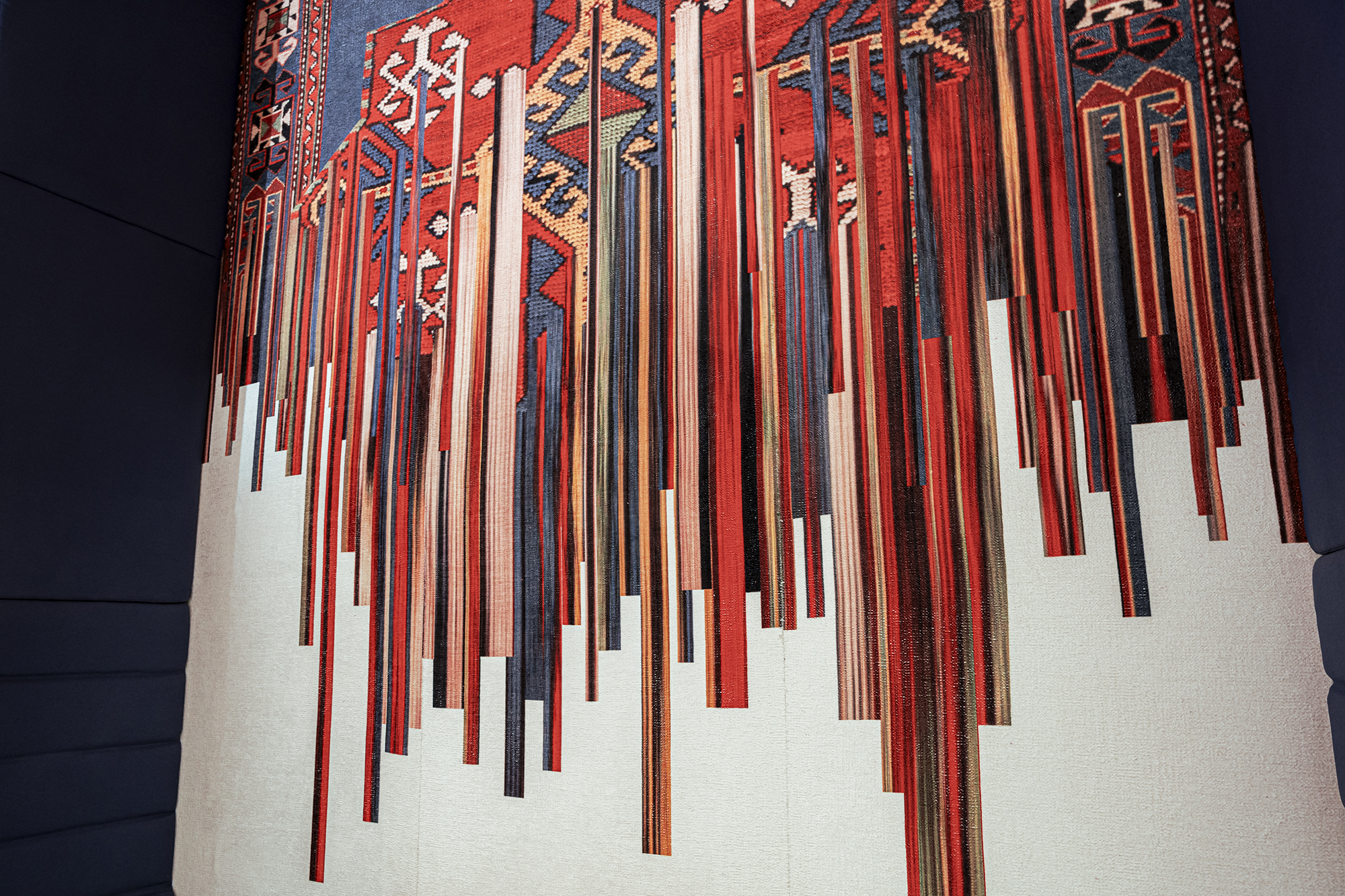
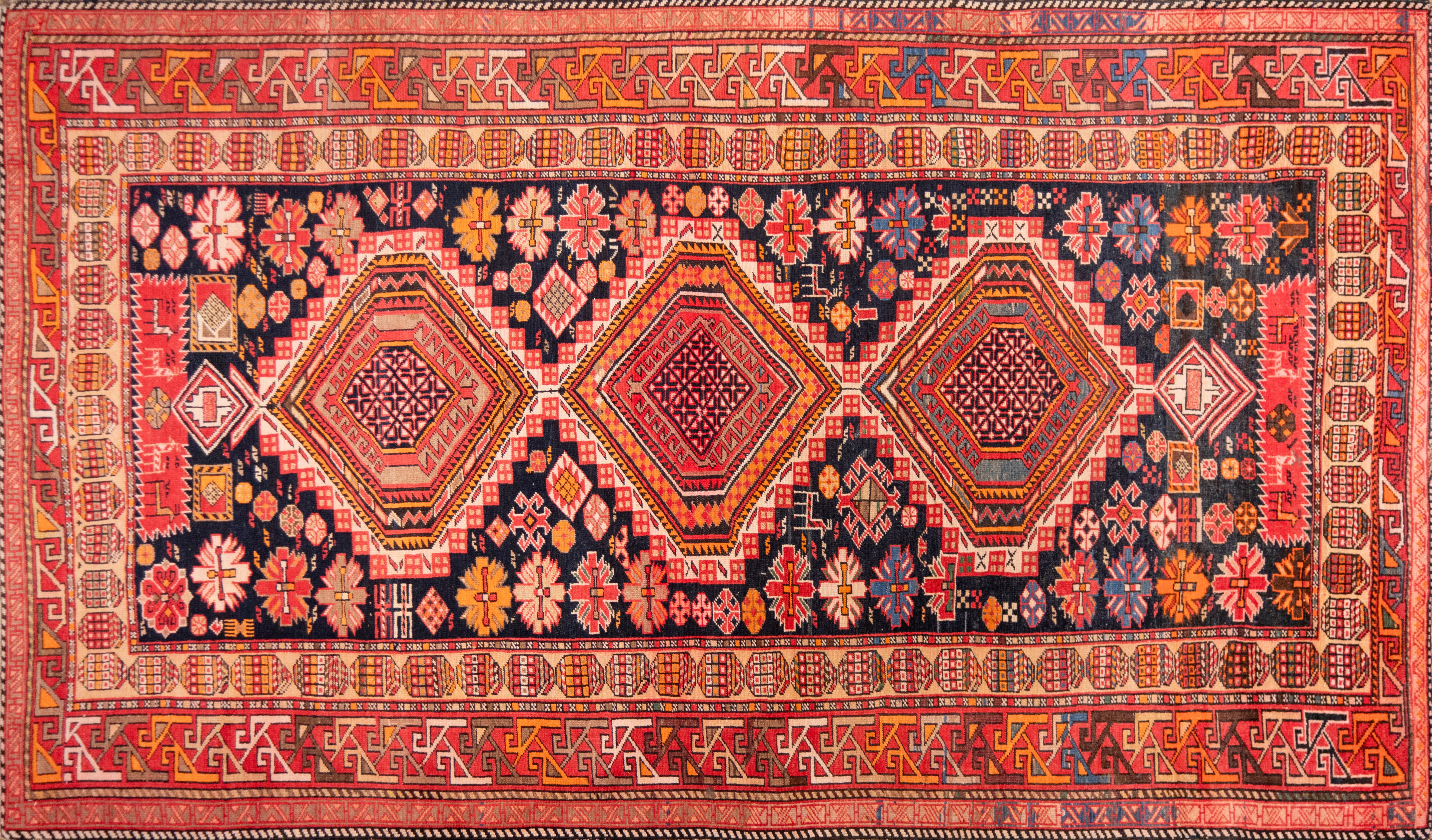
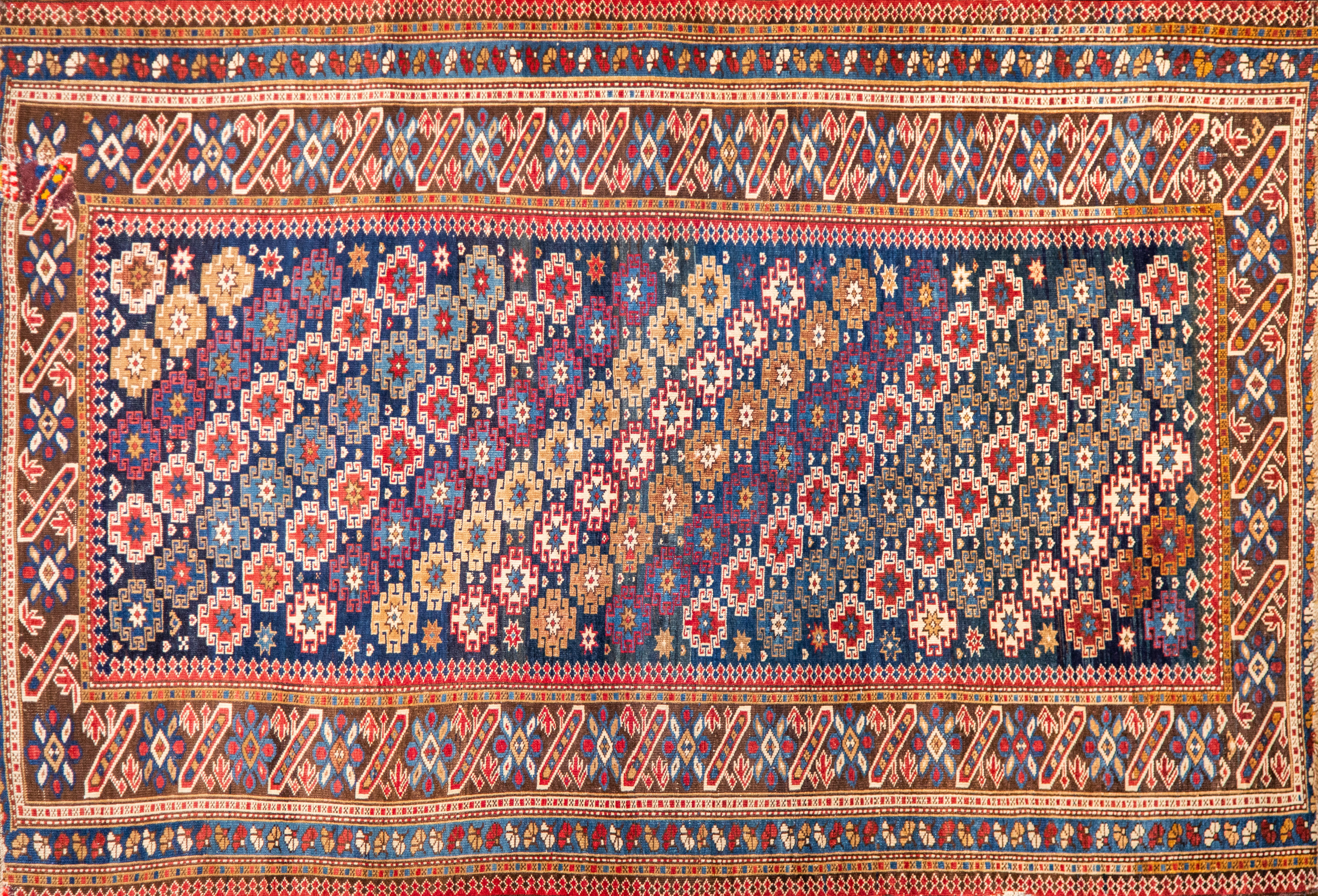
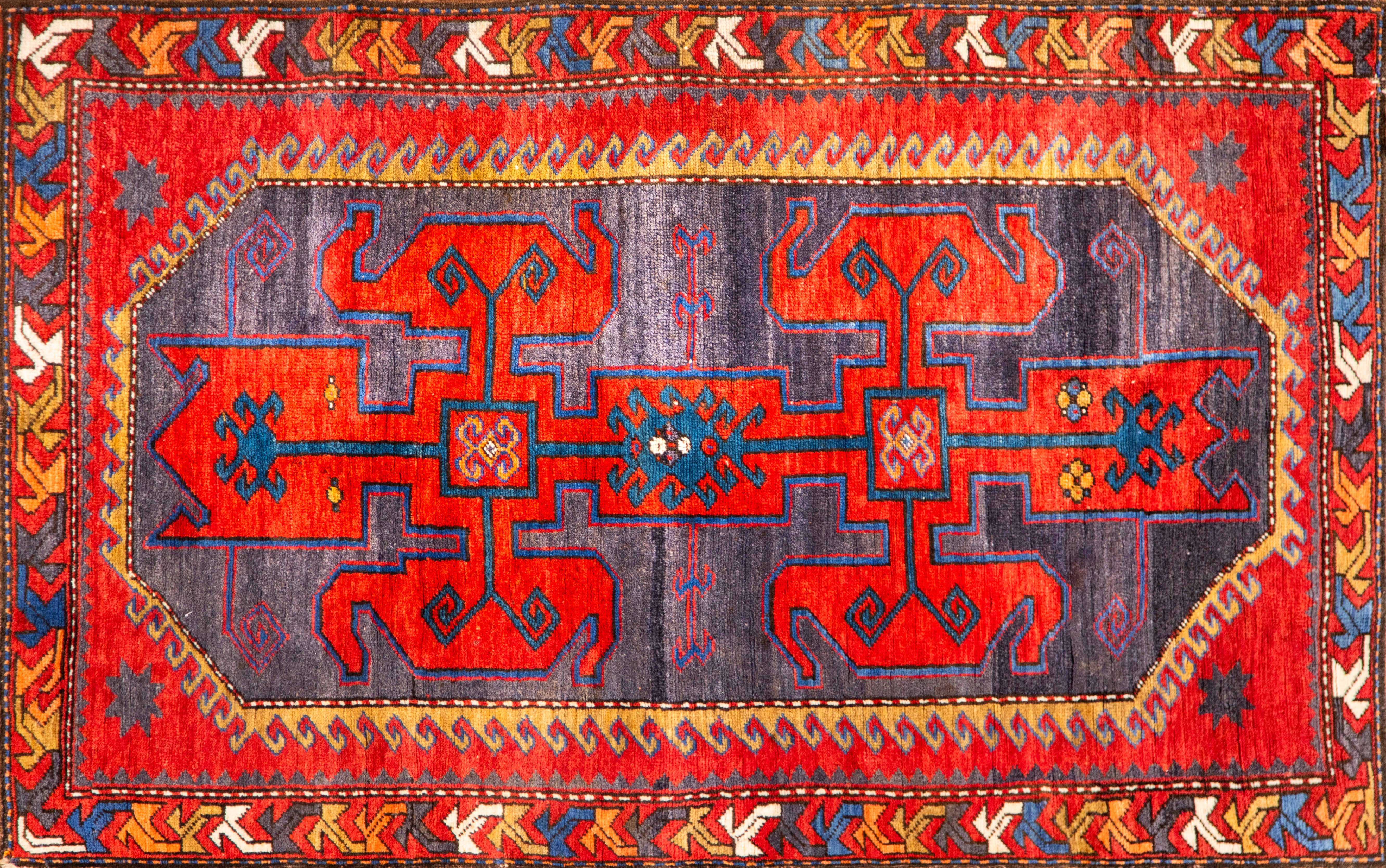
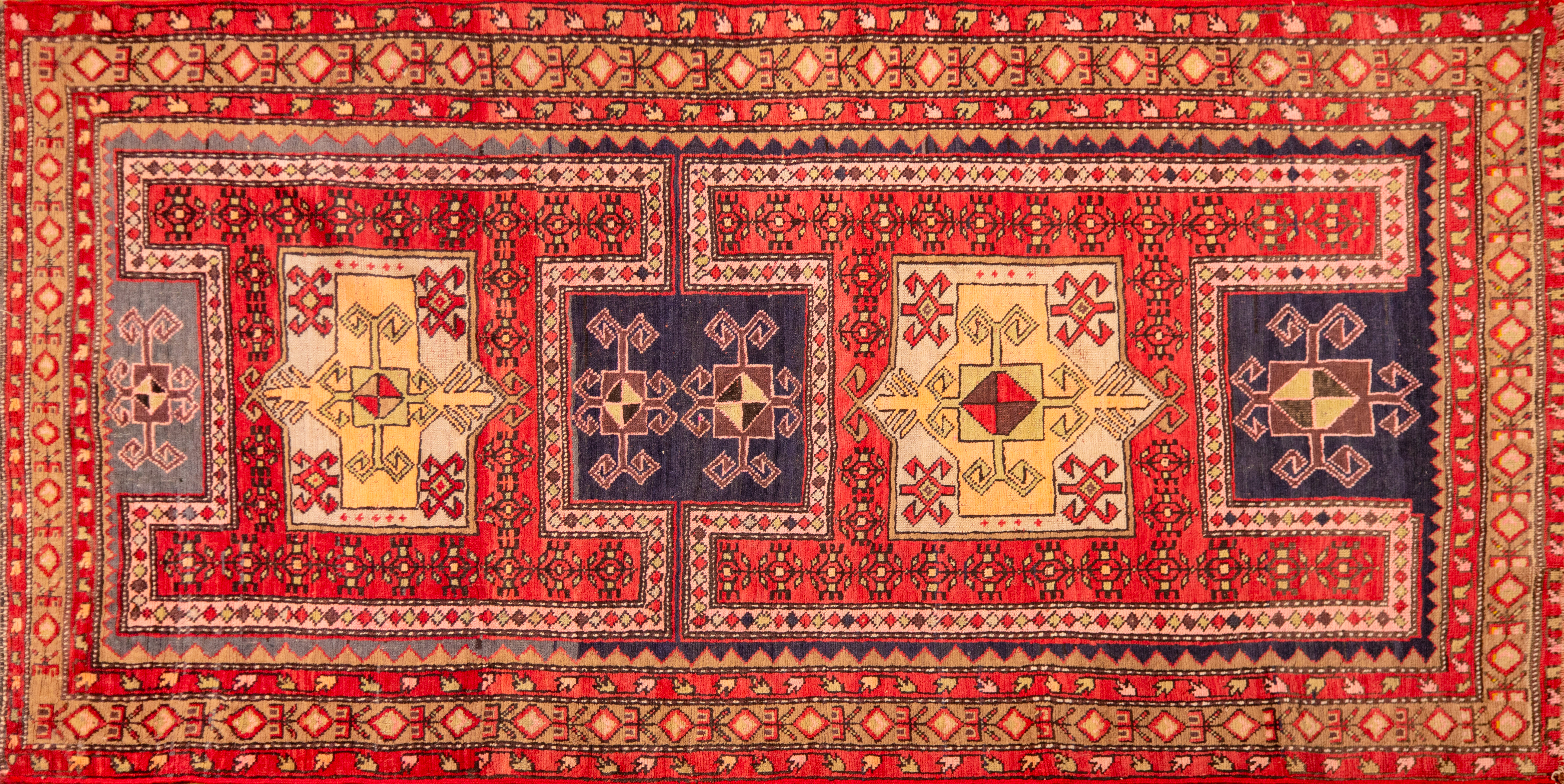
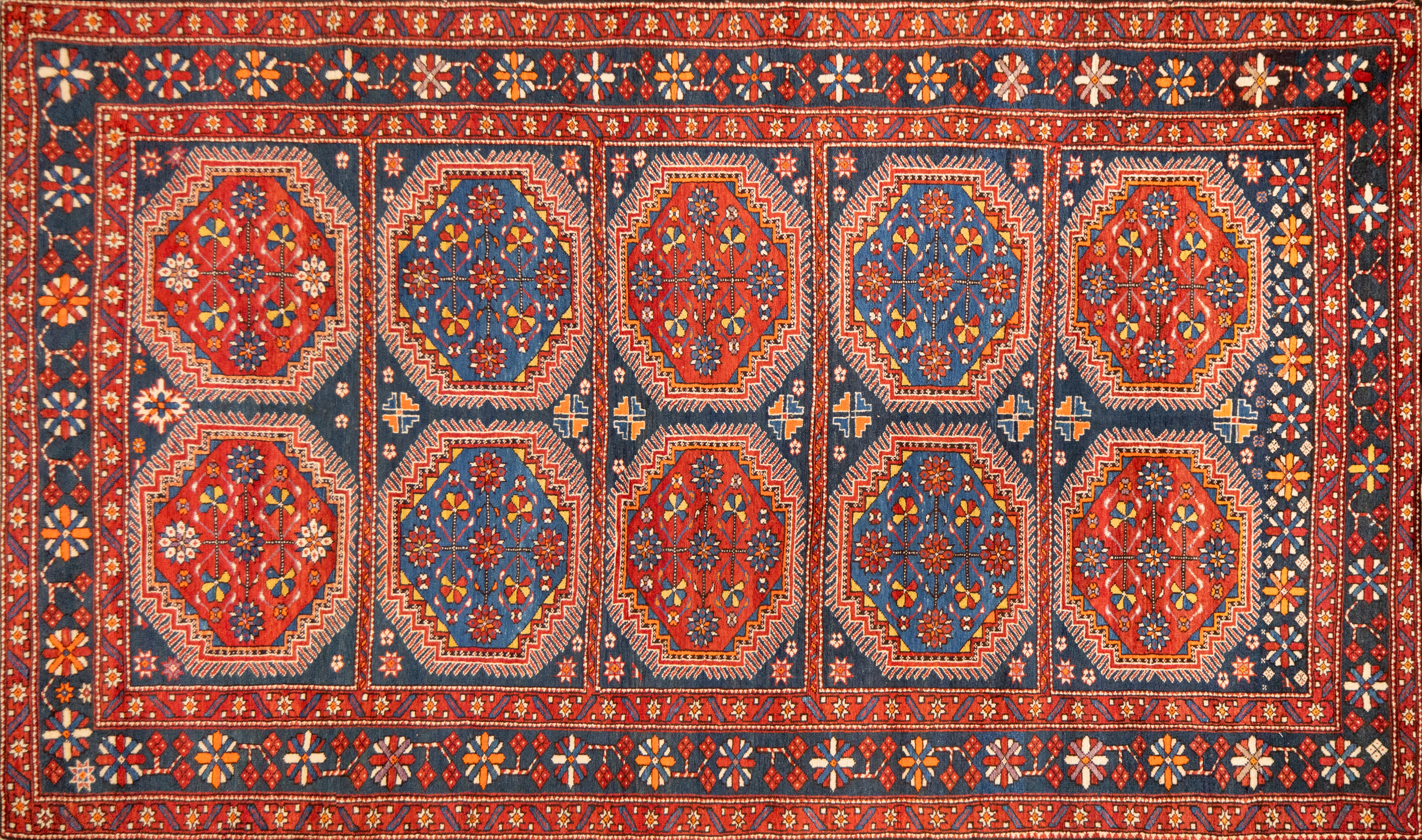
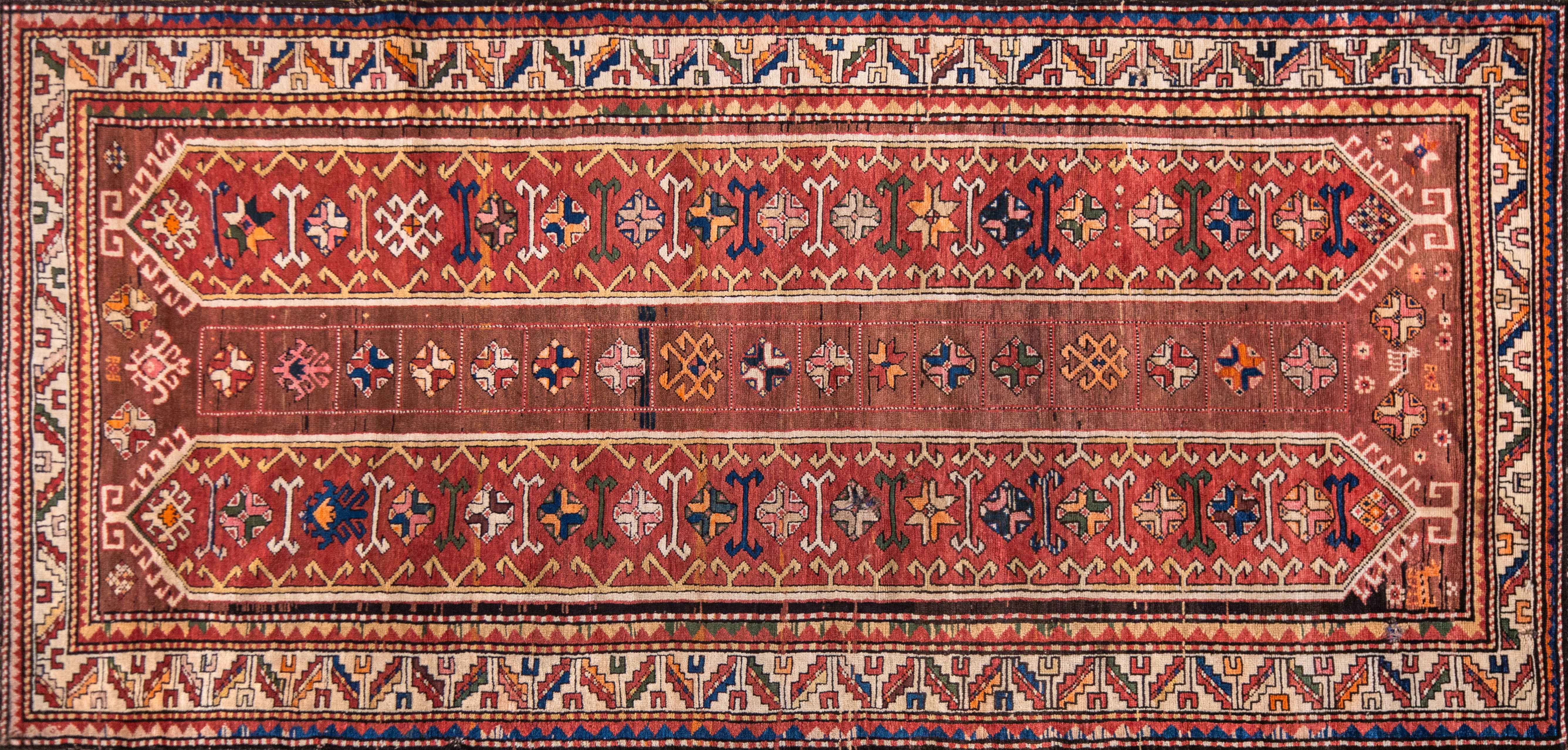
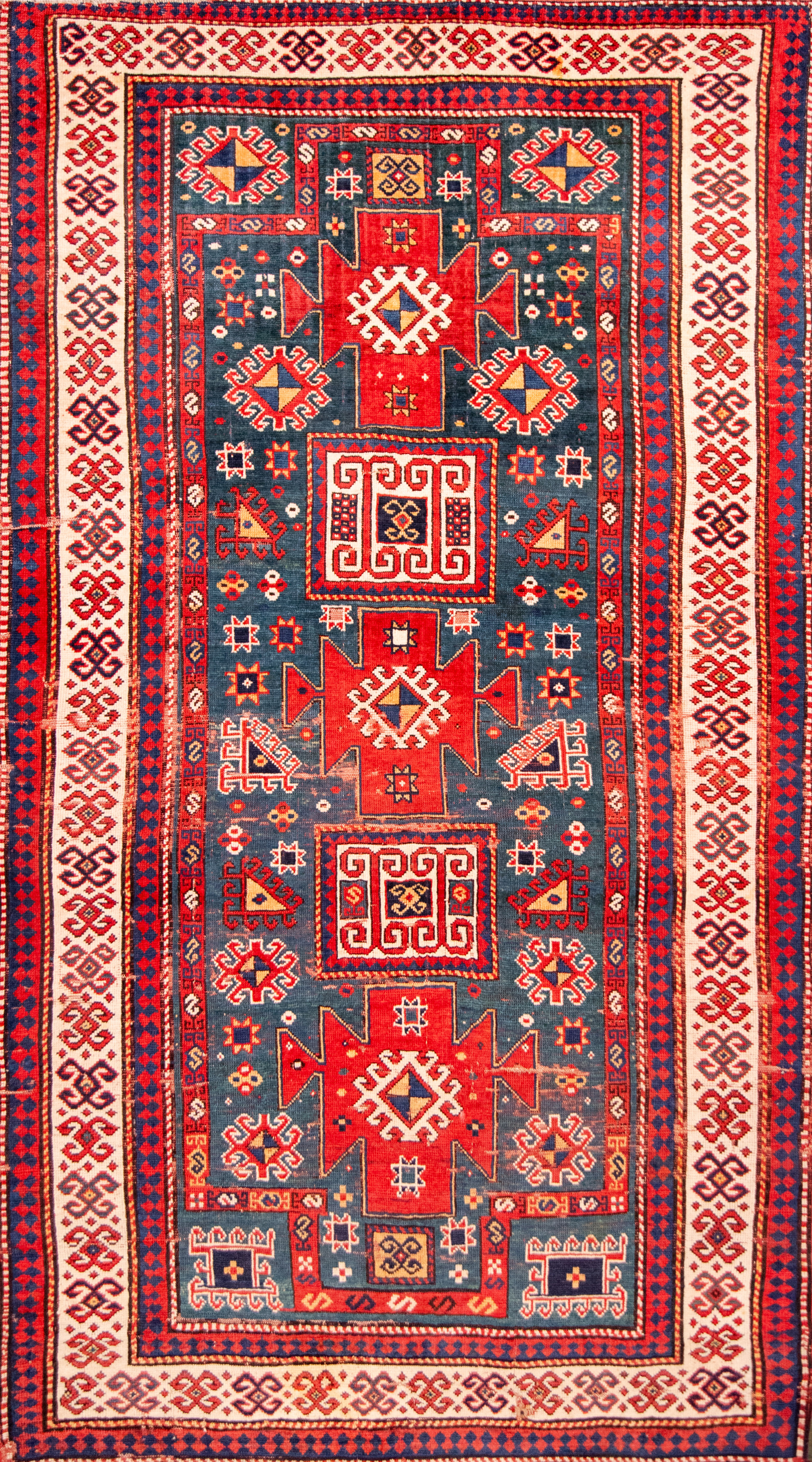
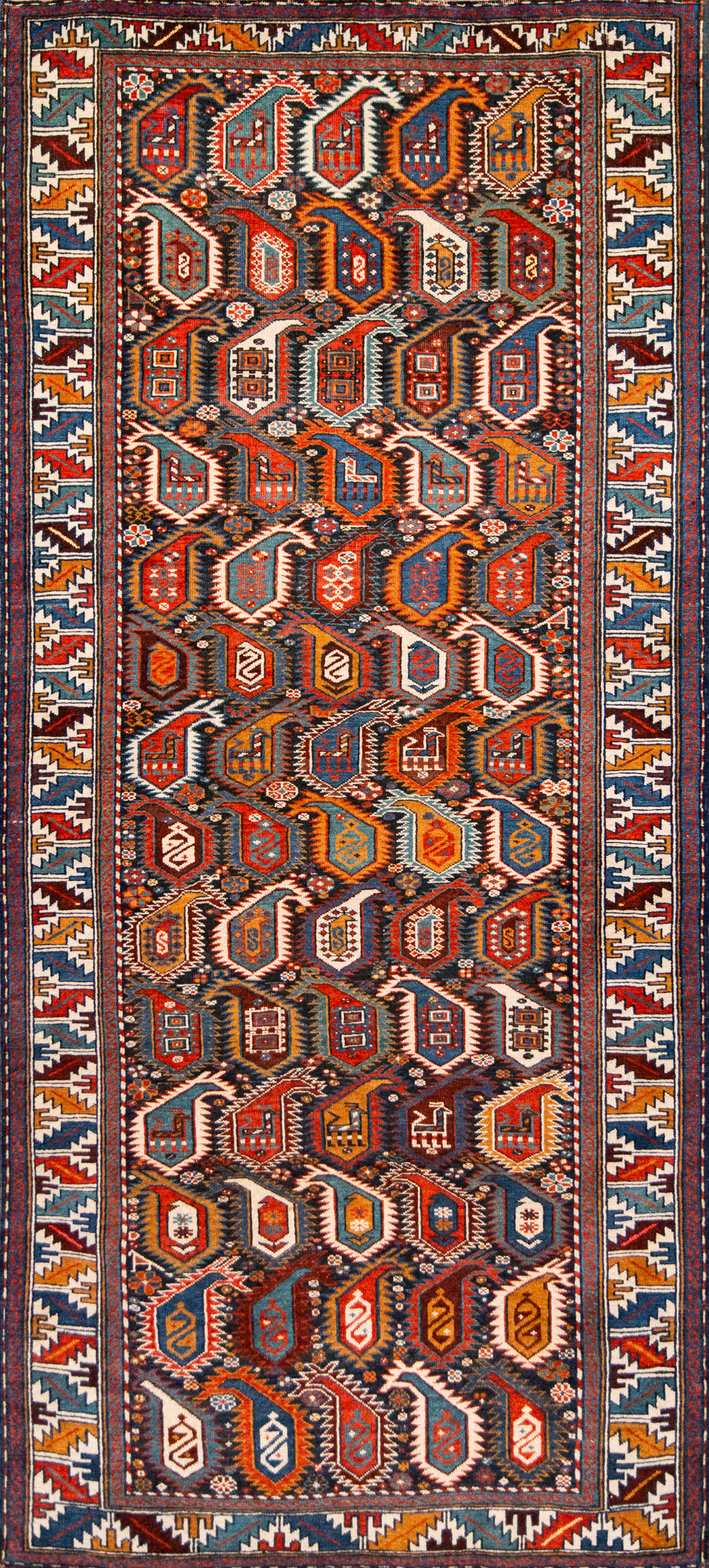
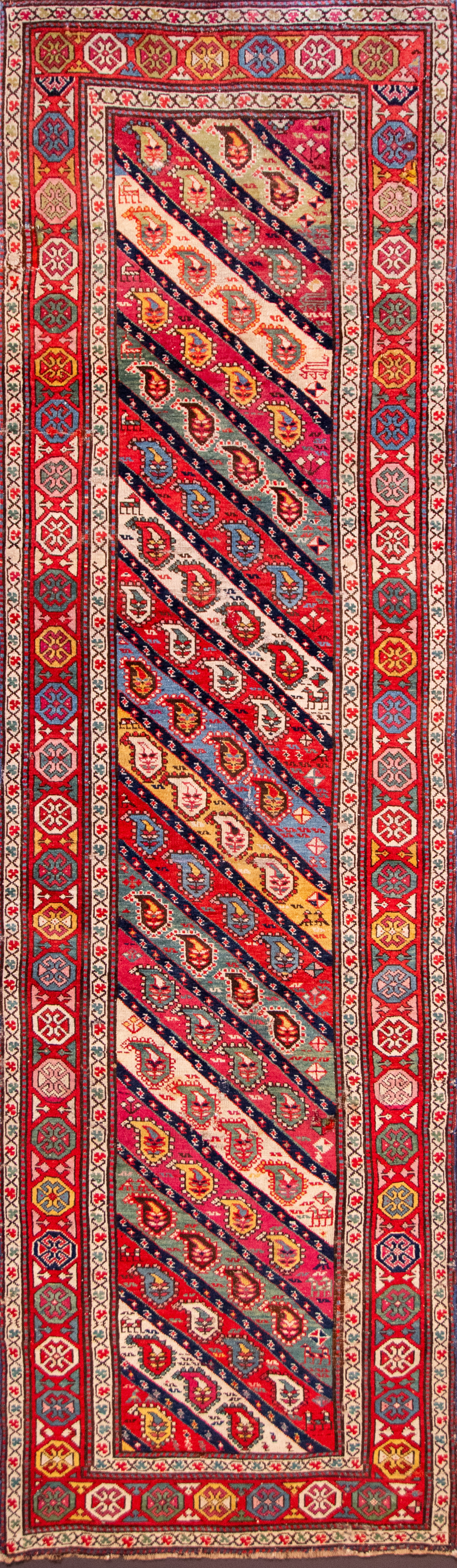
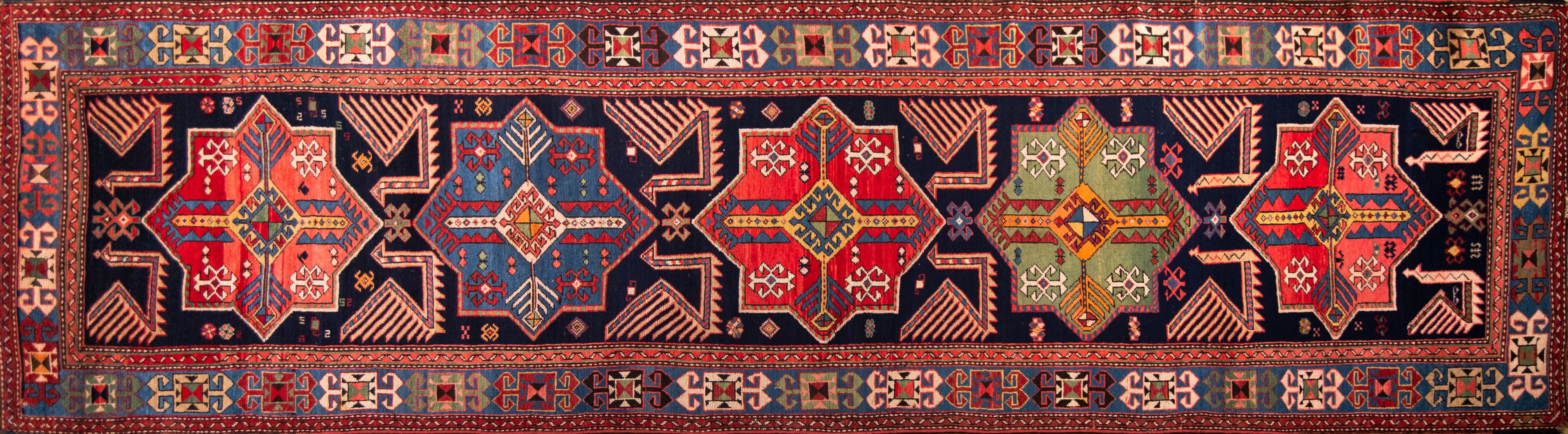
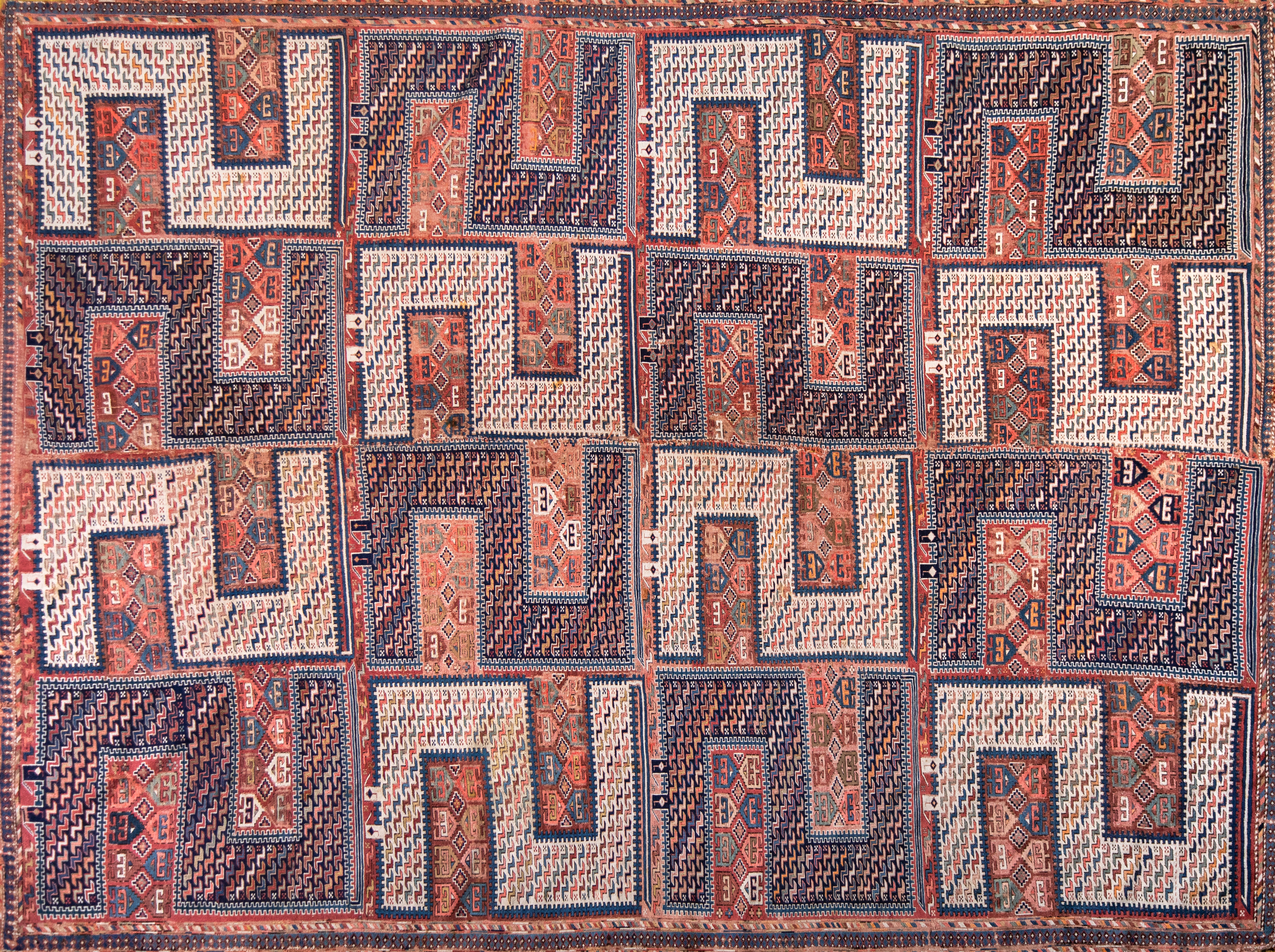
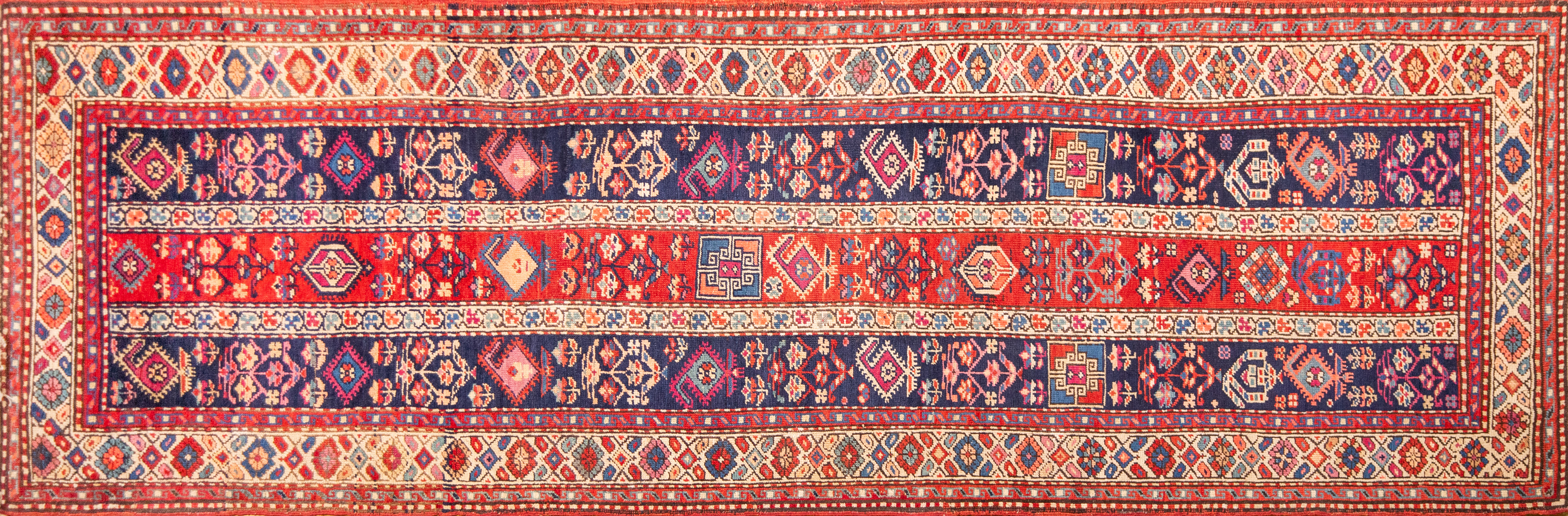
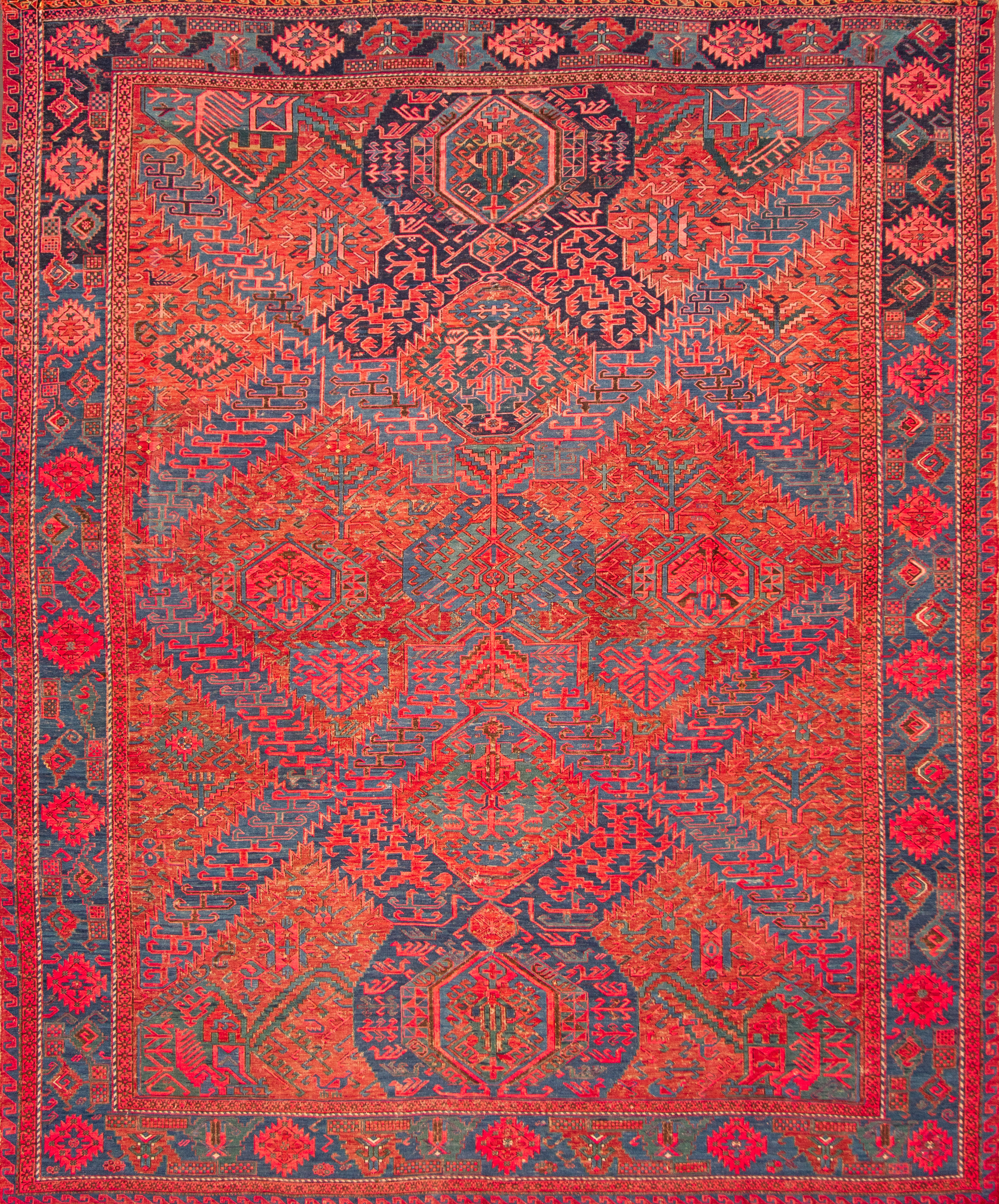
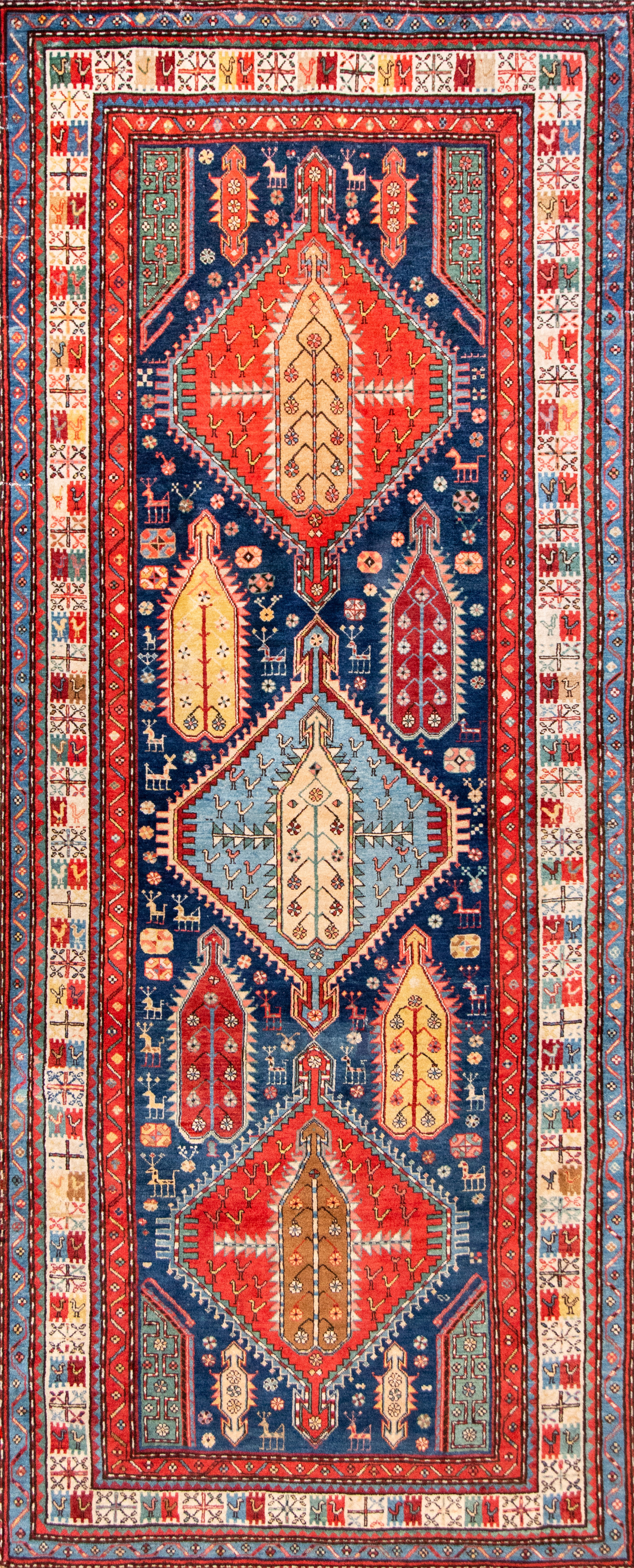
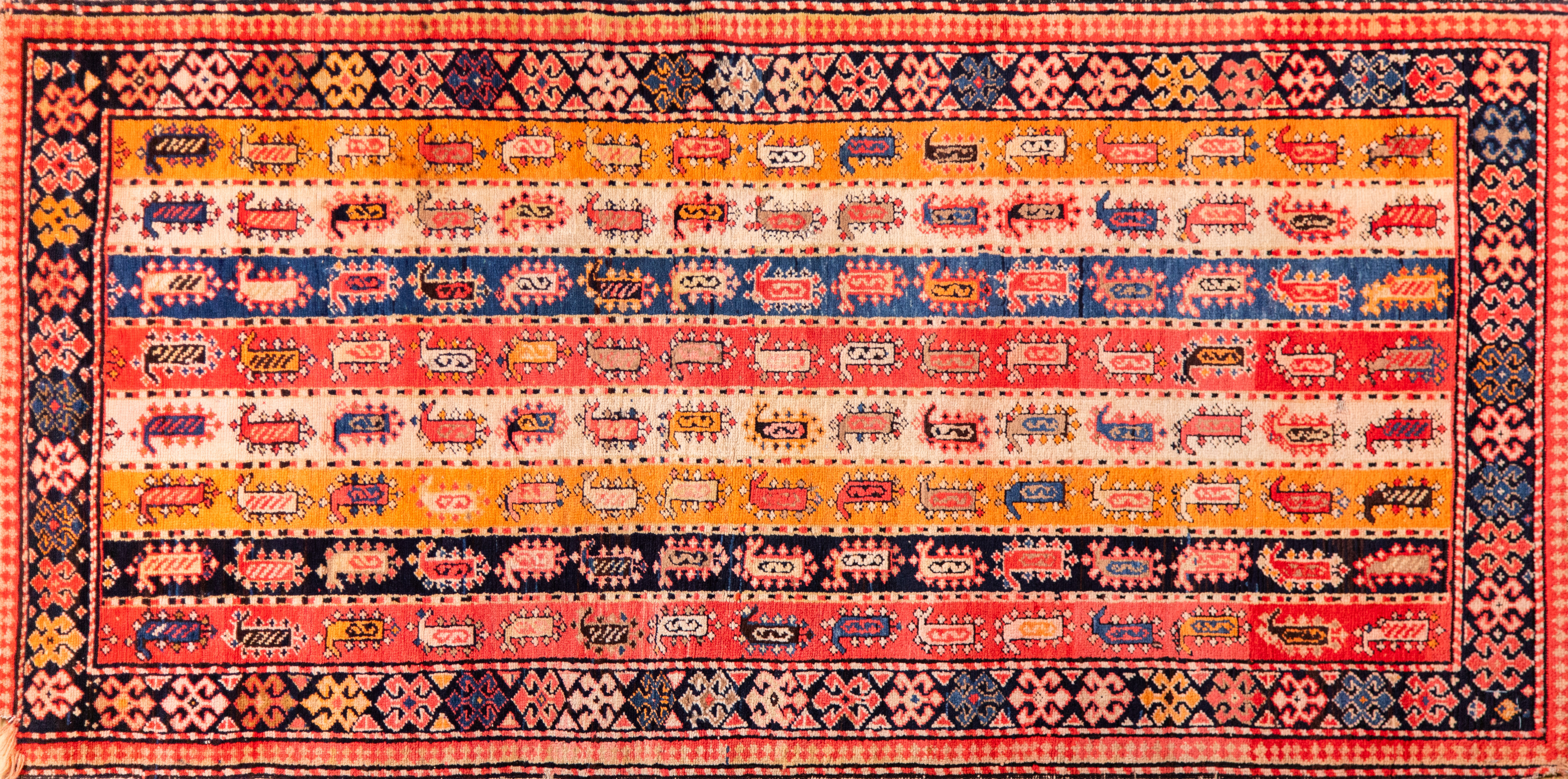
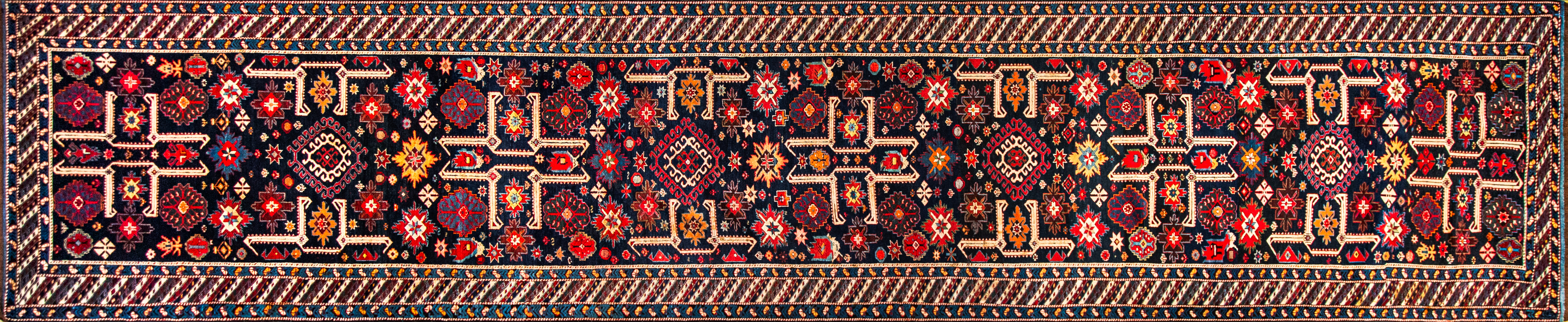
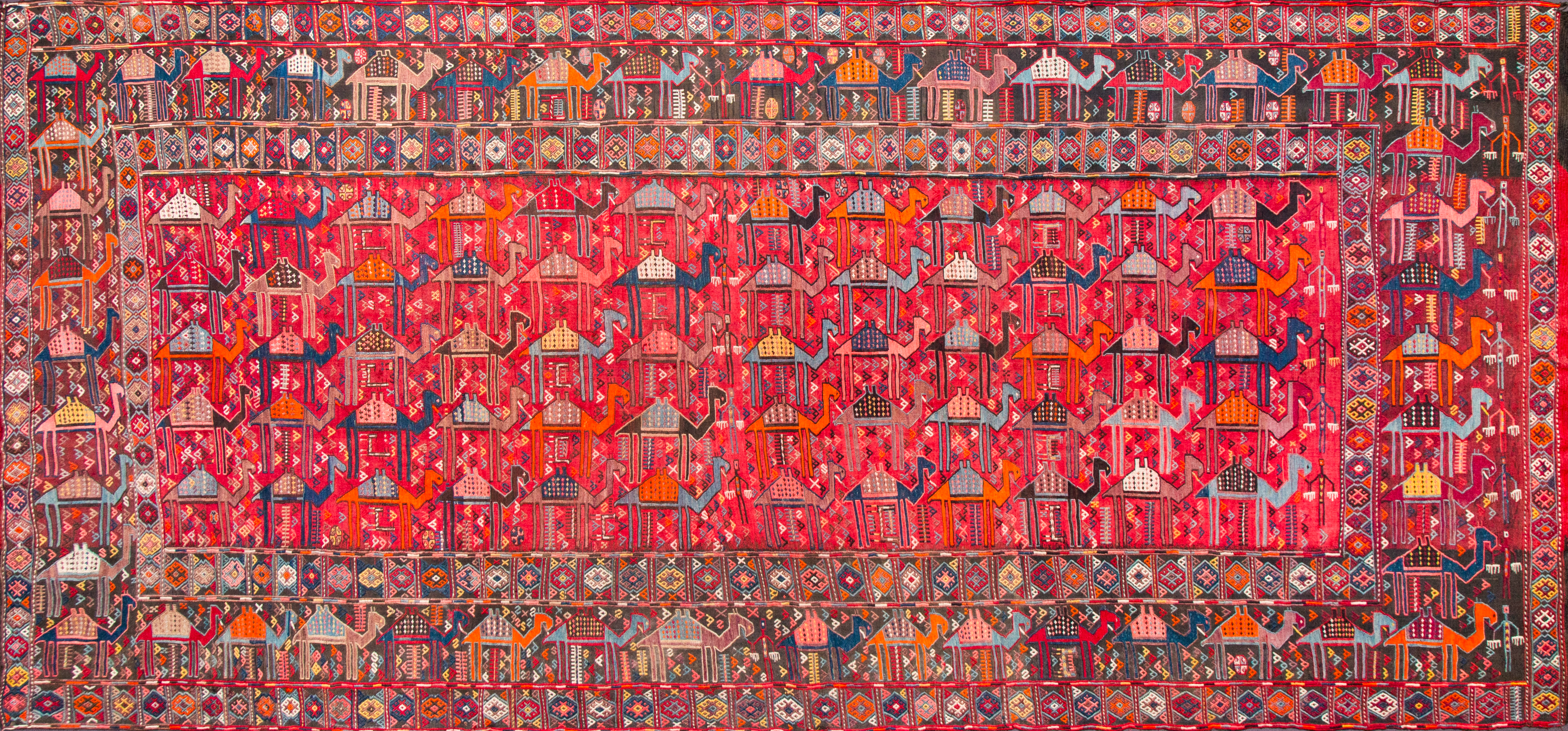
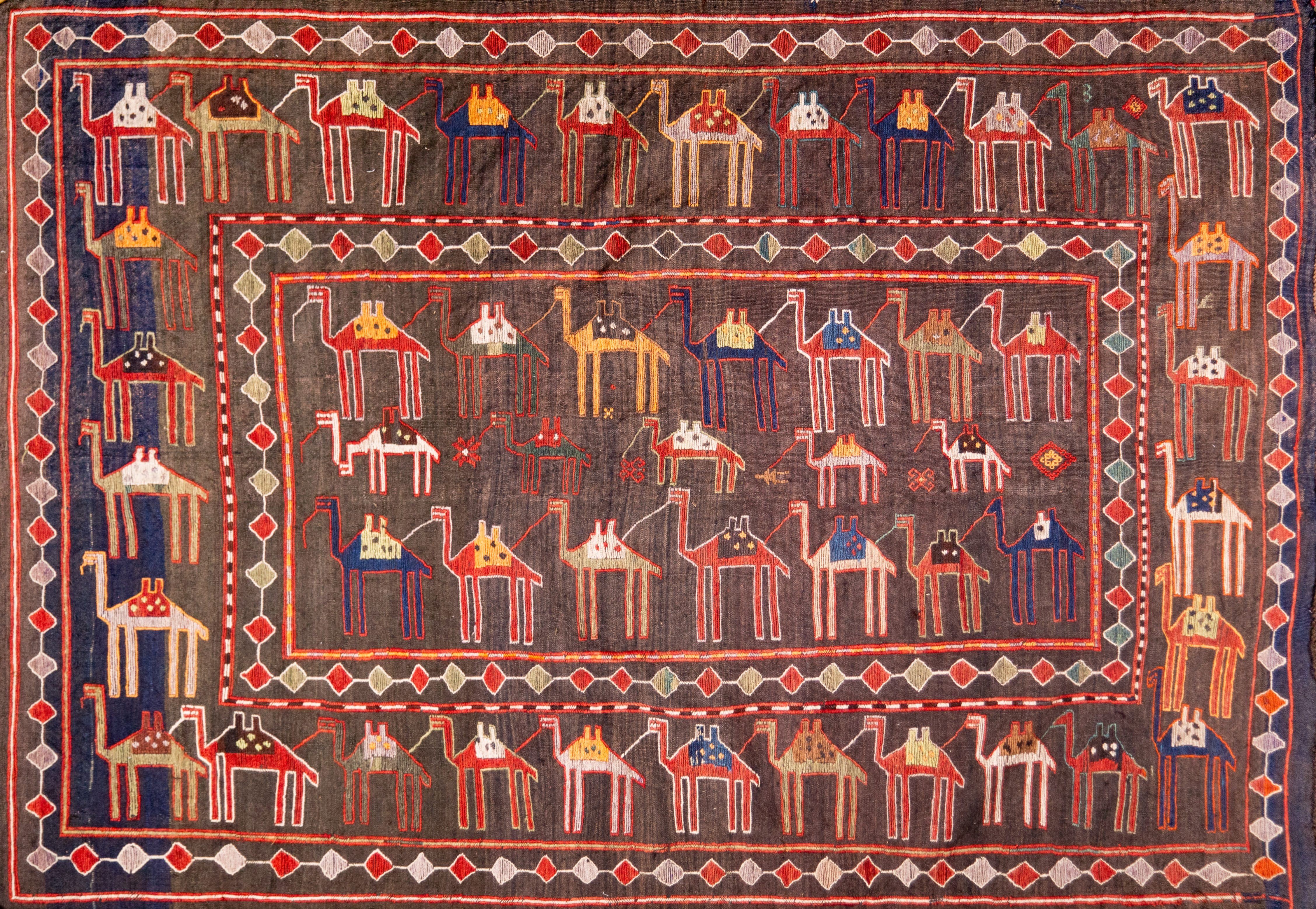
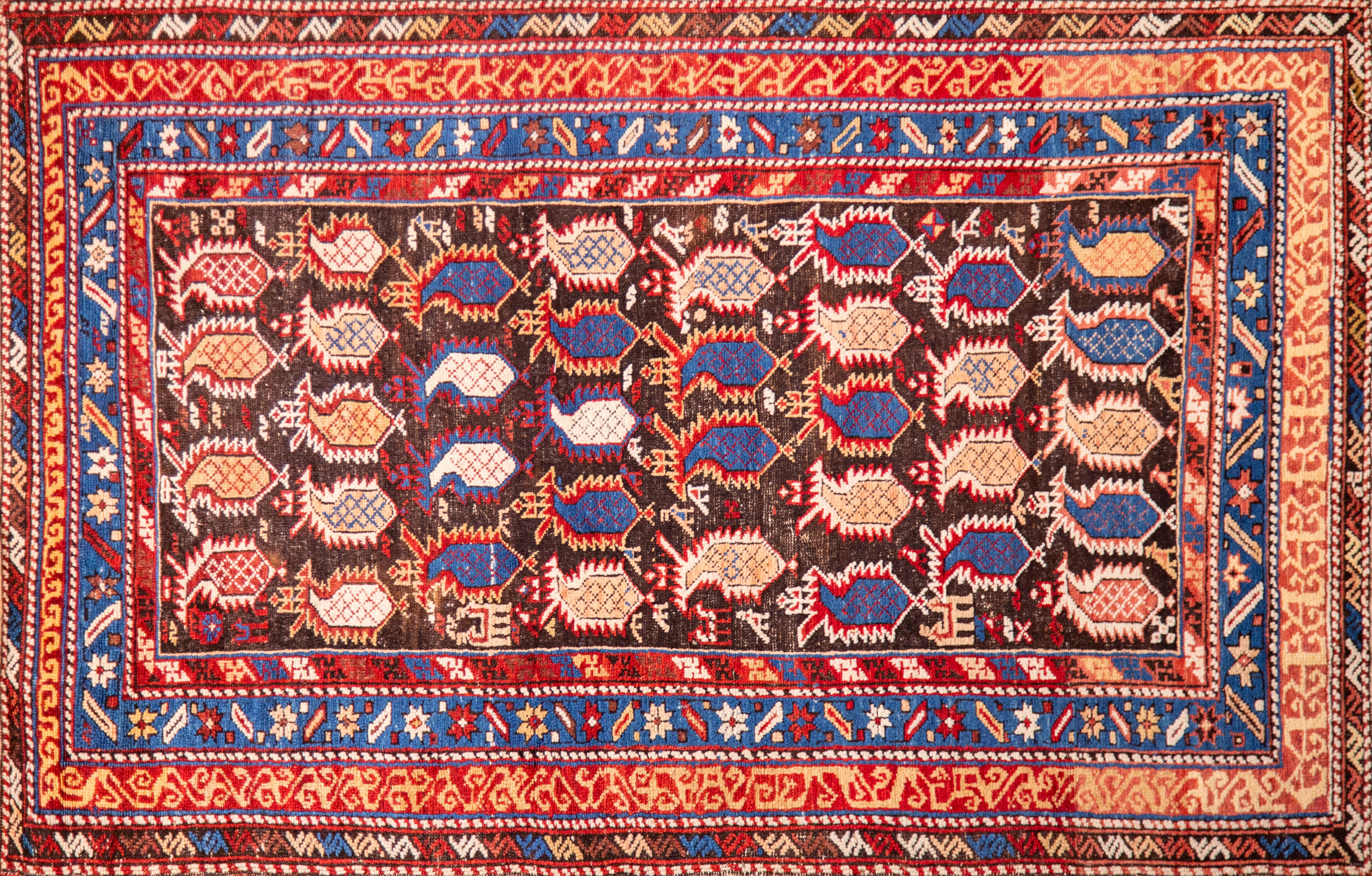
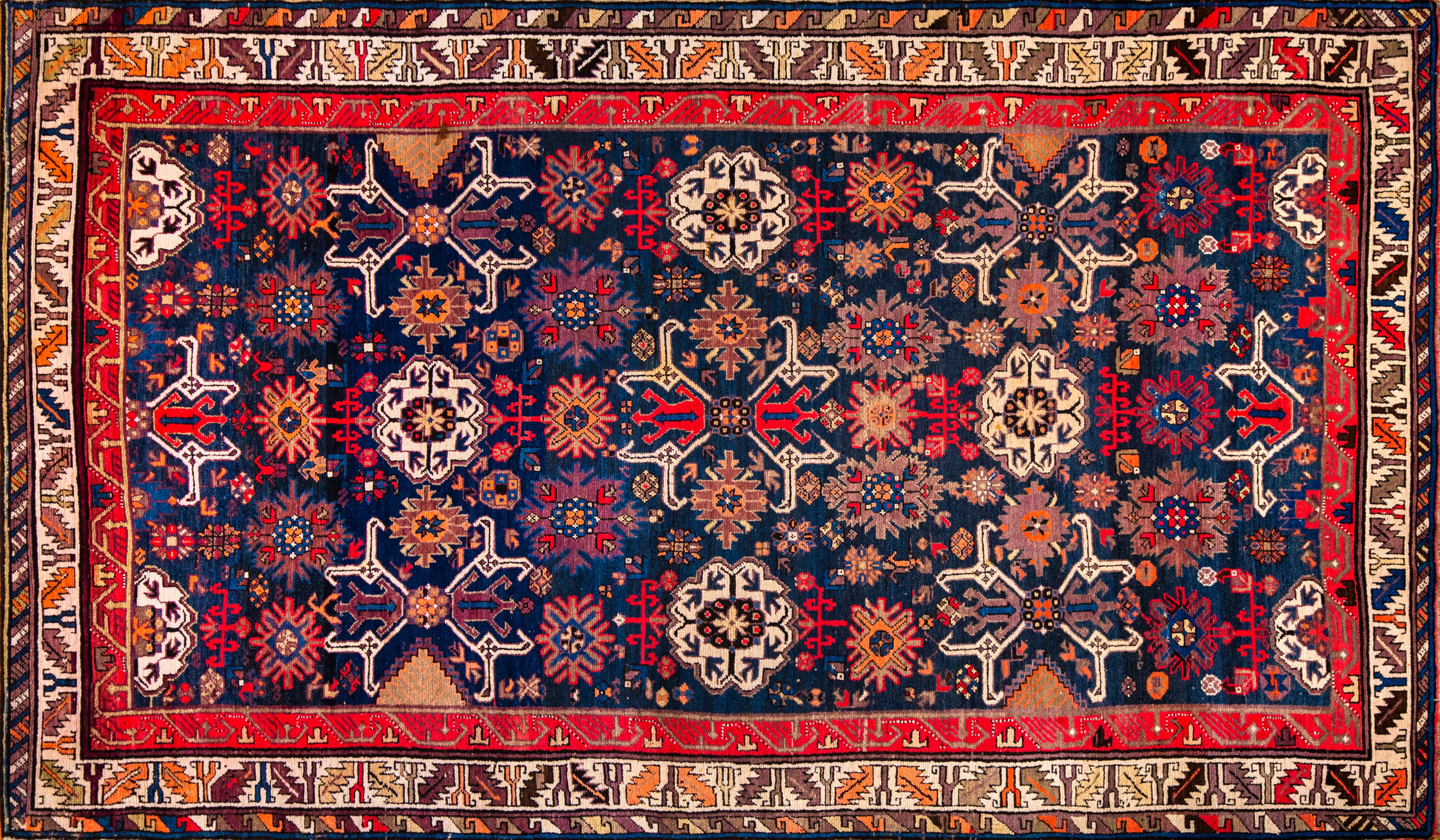
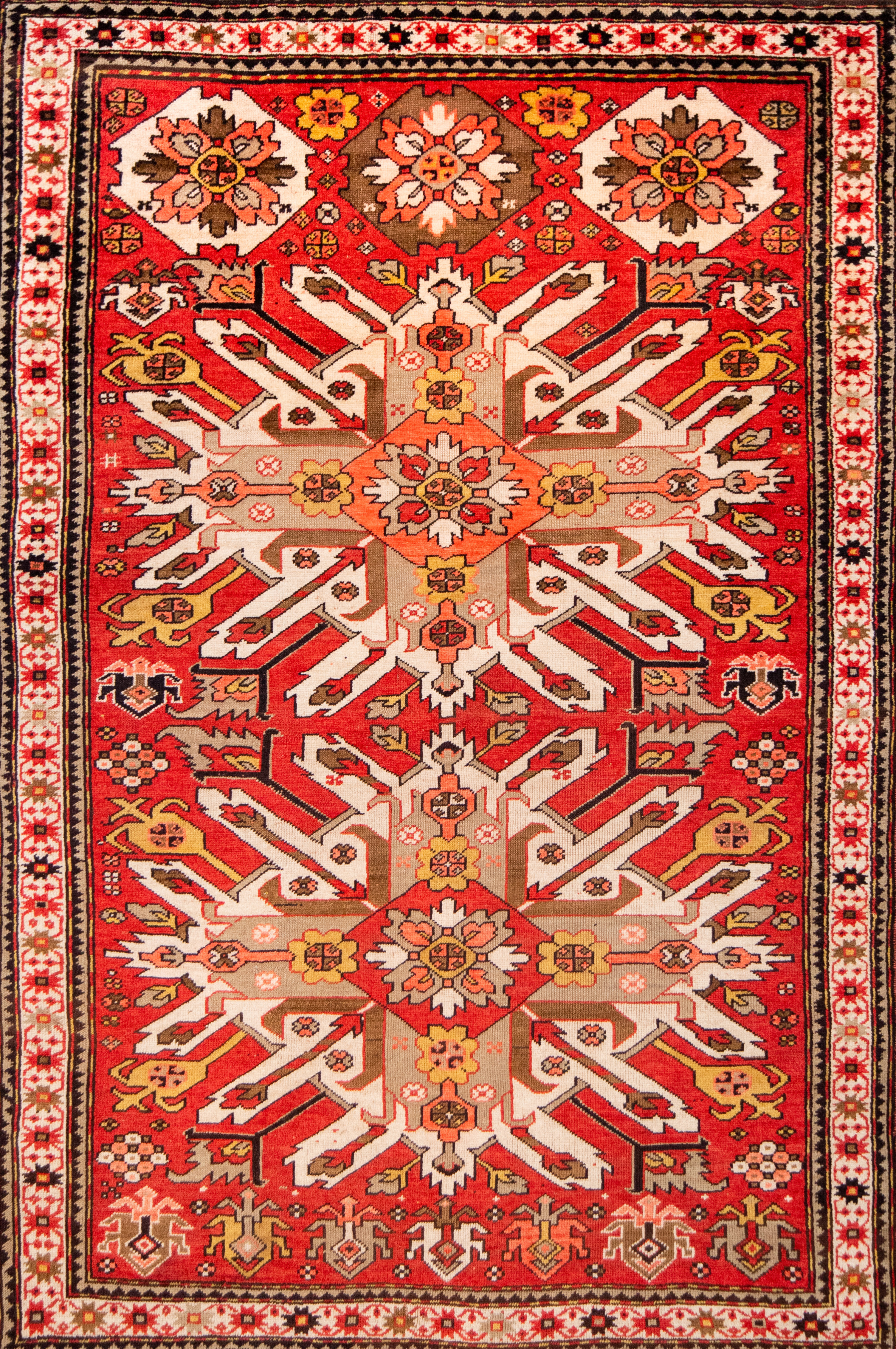
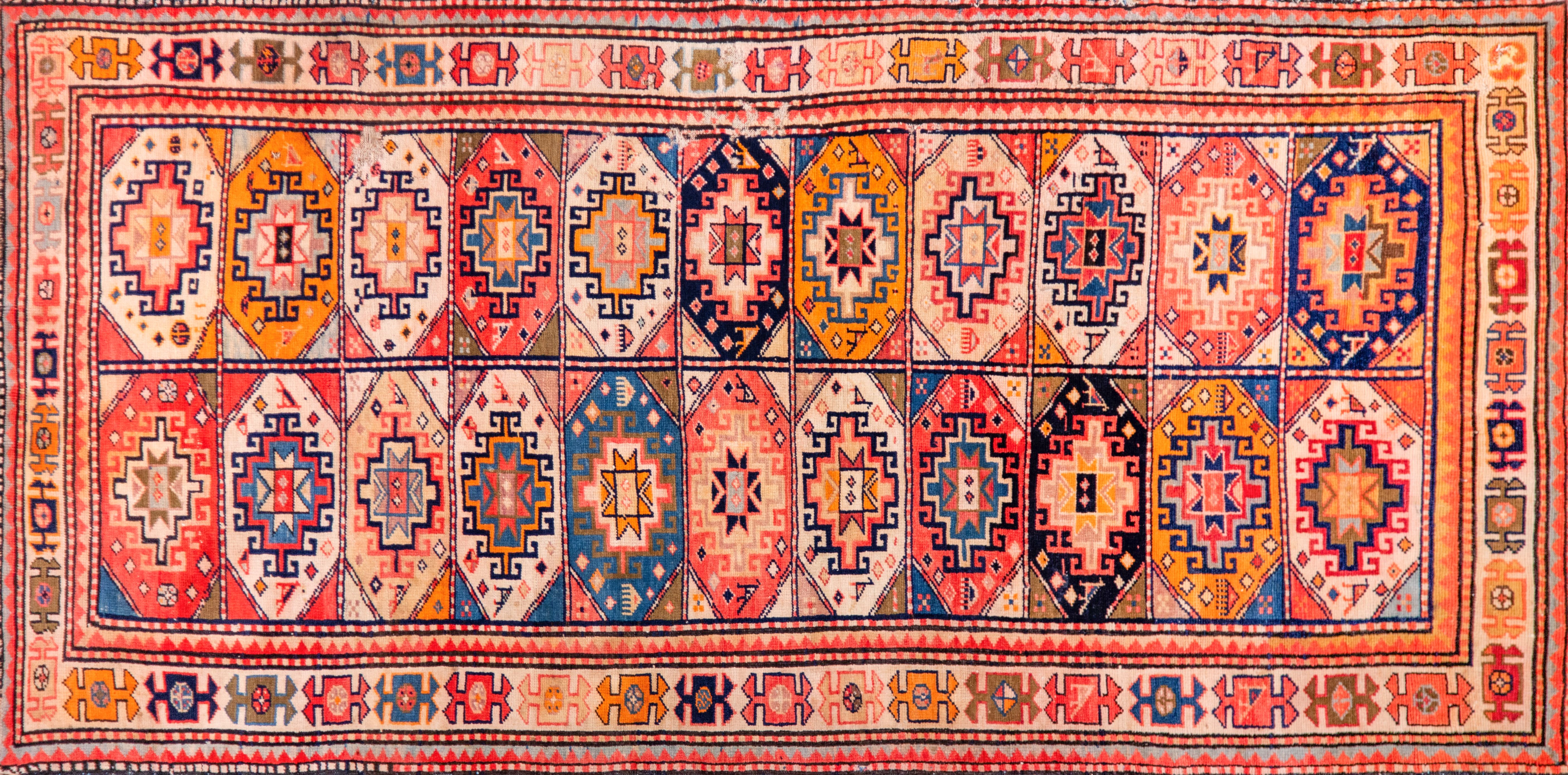
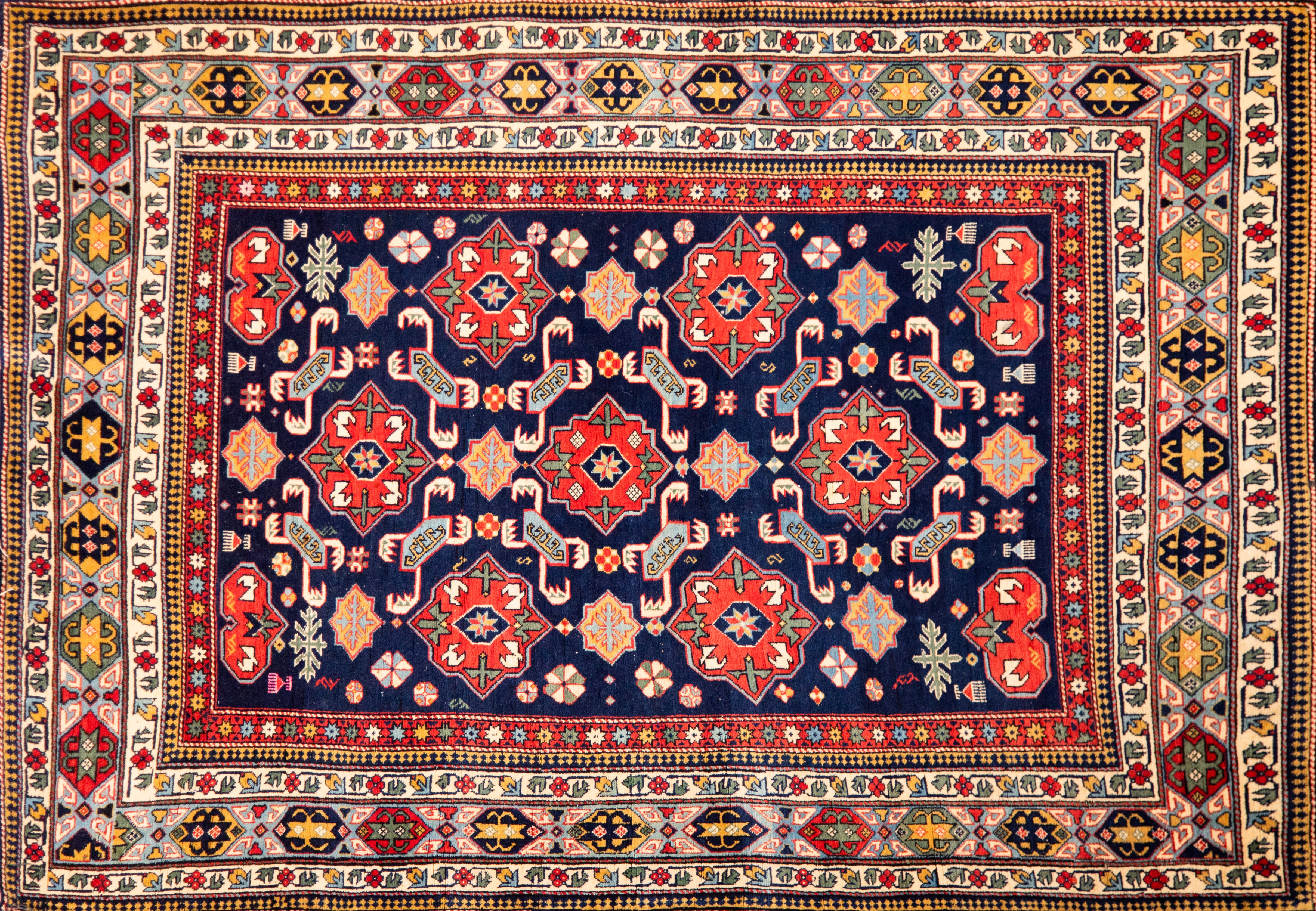
Azerbaijani carpet weaving is one of the world’s oldest and most refined art forms, with deep roots in the daily life, history, and spirituality of its people. Each regional school evolved under the influence of its geography, lifestyle, and local traditions, resulting in distinct aesthetic and symbolic languages. The Quba–Shirvan school reflects northern elegance and precision; Ganja–Gazakh embodies strength and heroism inspired by the region’s fortresses and warriors; and Karabakh weaves together the poetic beauty and cultural richness of a land that has long been a cradle of art and creativity. Brought together in this installation, they form a visual narrative of unity — where historical diversity converges into a shared cultural
Cultural/Artistic Inspiration
The Quba–Shirvan school is renowned for its delicate knot density, symmetrical geometric ornamentation, and refined harmony of color. Motifs such as the buta, the eight-pointed star, and floral garlands are enduring symbols of grace, continuity, and tradition. The Ganja–Gazakh school stands out with bold medallions, strong geometric forms, and vivid contrasts of red, blue, and green. Its motifs, inspired by fortress walls and the heroic past of the region, express courage, resilience, and the undying love of freedom that has shaped the Azerbaijani spirit. The Karabakh school is often regarded as the jewel of Azerbaijani carpet art — a “crown of culture.” Its compositions are filled with large floral motifs and radiant colors inspired by the Cıdır Plain’s blossoms, the clear waters of Isa Spring, and the artistic aura of Shusha. These carpets embody the lyrical harmony of nature, creativity, and pride rooted in the land itself. In the installation, the motifs of these three schools merge seamlessly. Borders fade, colors flow across one another, and designs interlace as though woven by a single hand. This artistic synthesis demonstrates that carpet art transcends geography — it belongs to the shared spirit of a nation. Each knot, each color, and each pattern proclaims: “This land has always been ours, and this heritage will forever remain ours.”
Original Location
40°21'35.9"N 49°50'09.4"E
Special Appreciation
Special thanks to the Azerbaijan National Carpet Museum and Azerkhalcha for their support in the realization of this project.