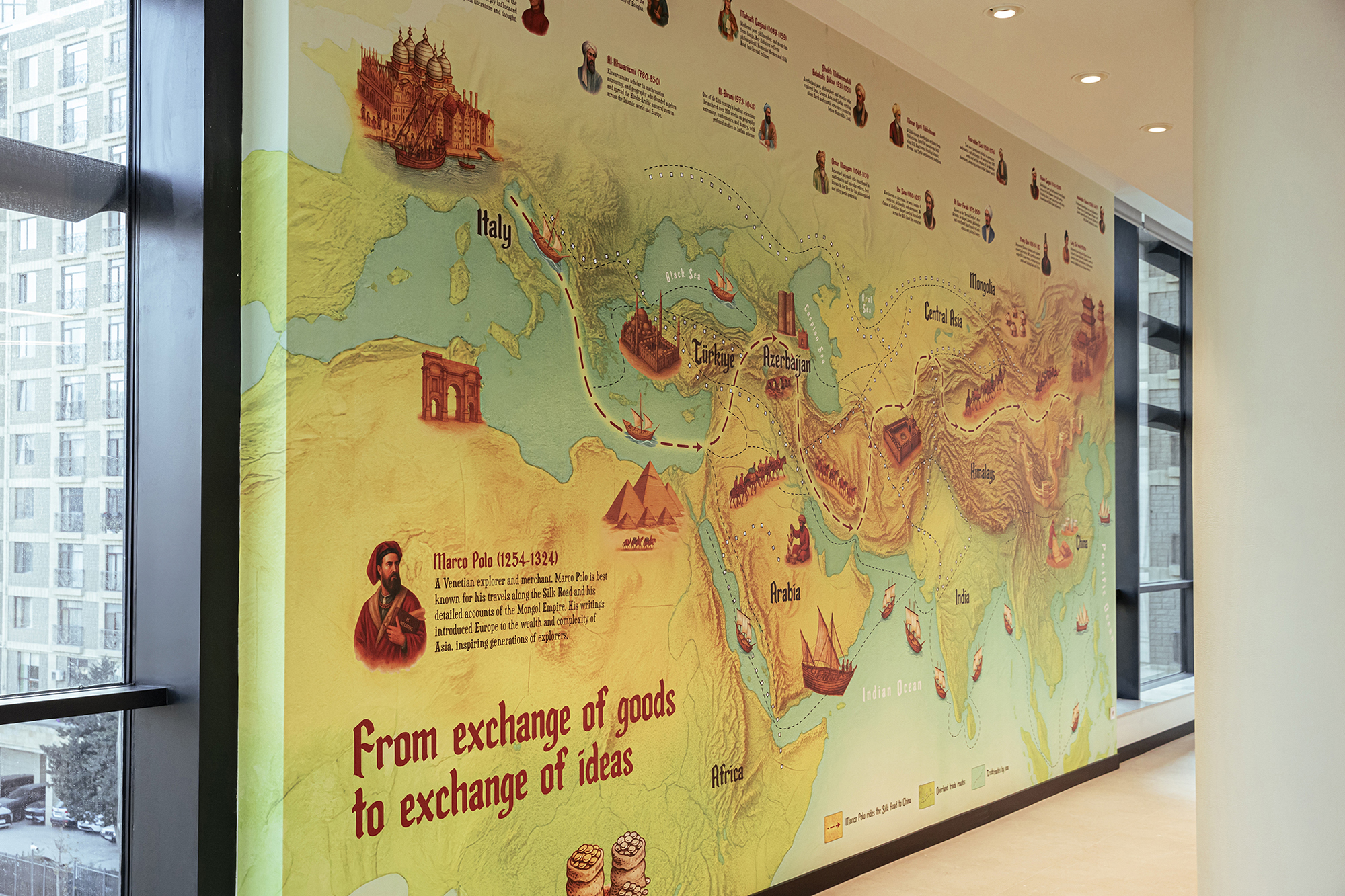
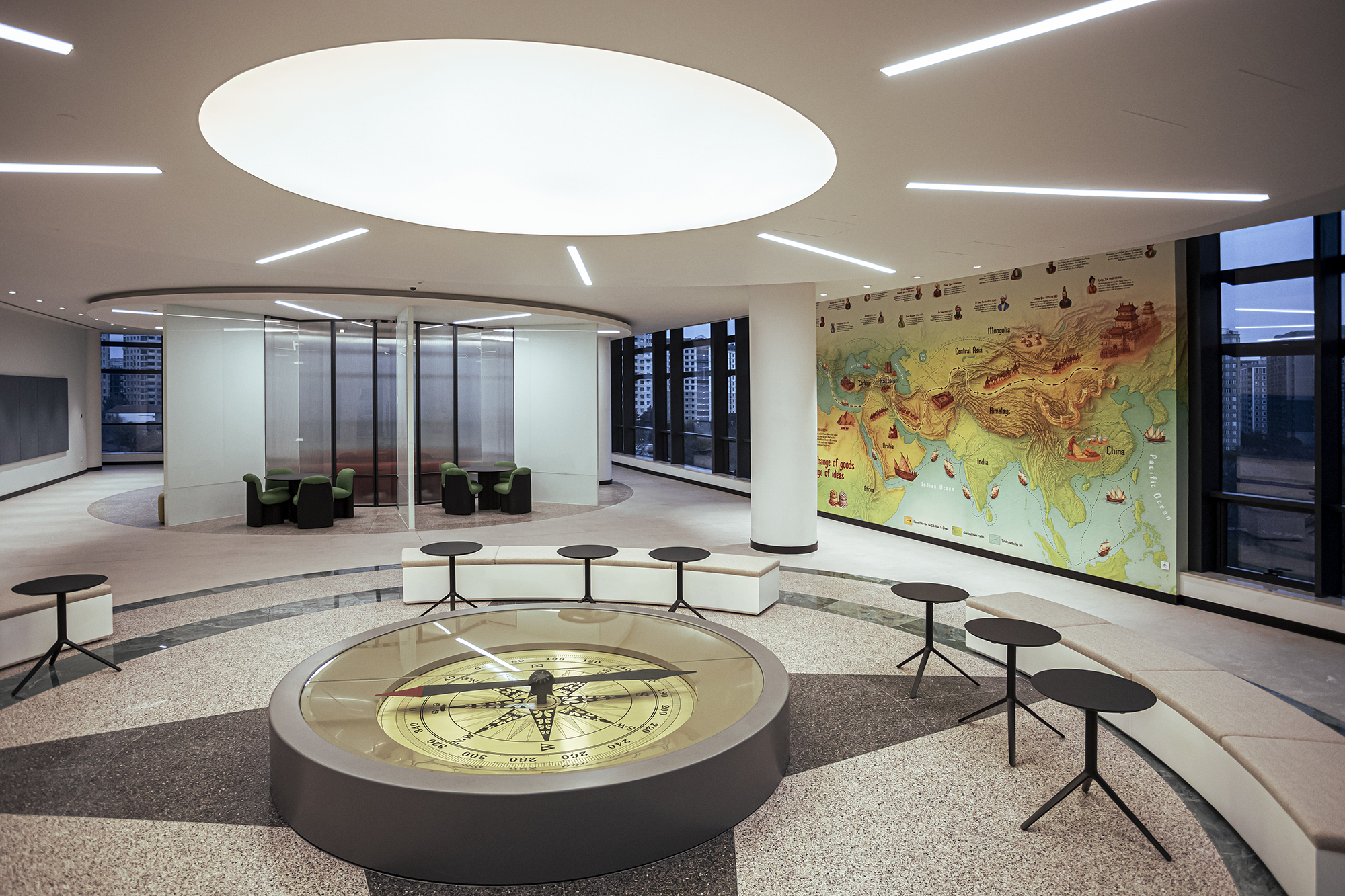
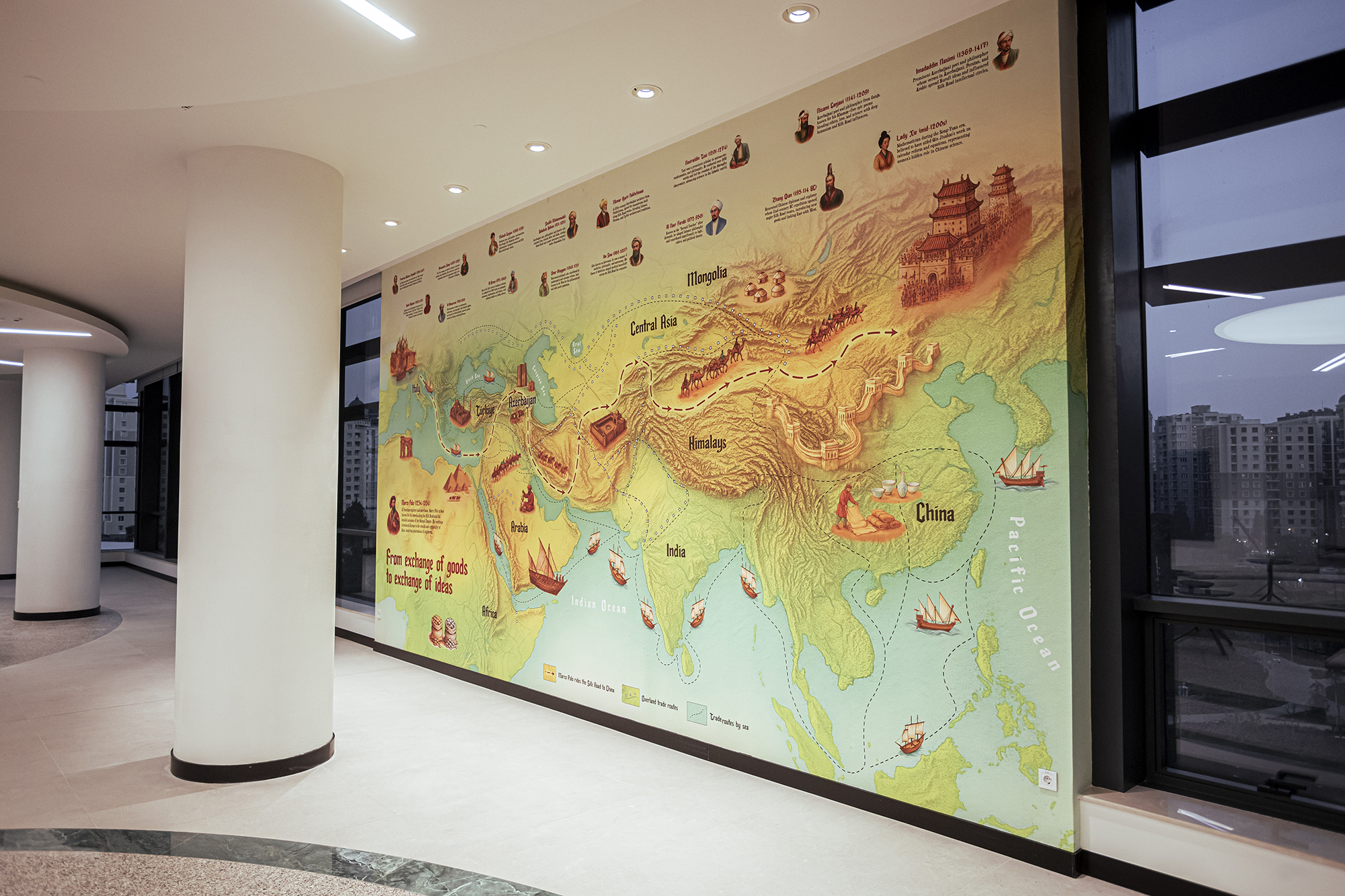
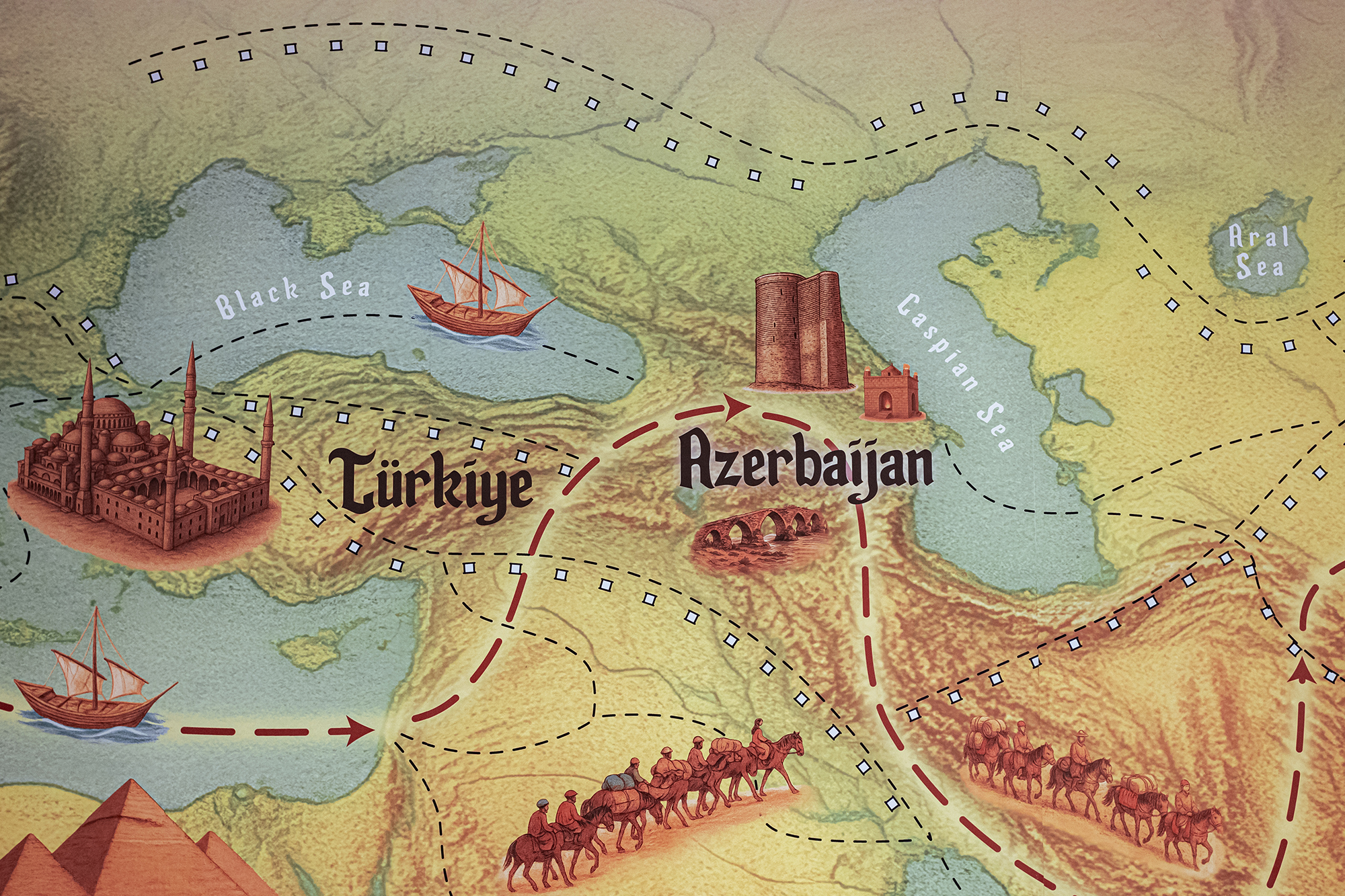
From exchange of goods to exchange of ideas
Historical Context
The Silk Road was not a single road but a complex network of trade routes connecting East and West from antiquity through the late Middle Ages. While silk, spices, precious metals, ceramics, and textiles were among the most visible commodities transported along these routes, trade also enabled encounters between empires, cities, and cultures. Marco Polo’s travels in the 13th century brought detailed knowledge of Asia to Europe and exemplified how merchants, envoys, scholars, and travelers acted as carriers of information as much as of goods. Cities along the Silk Road flourished as centers of commerce, learning, and diplomacy, becoming points where ideas, technologies, and belief systems converged.
Cultural/Artistic Inspiration
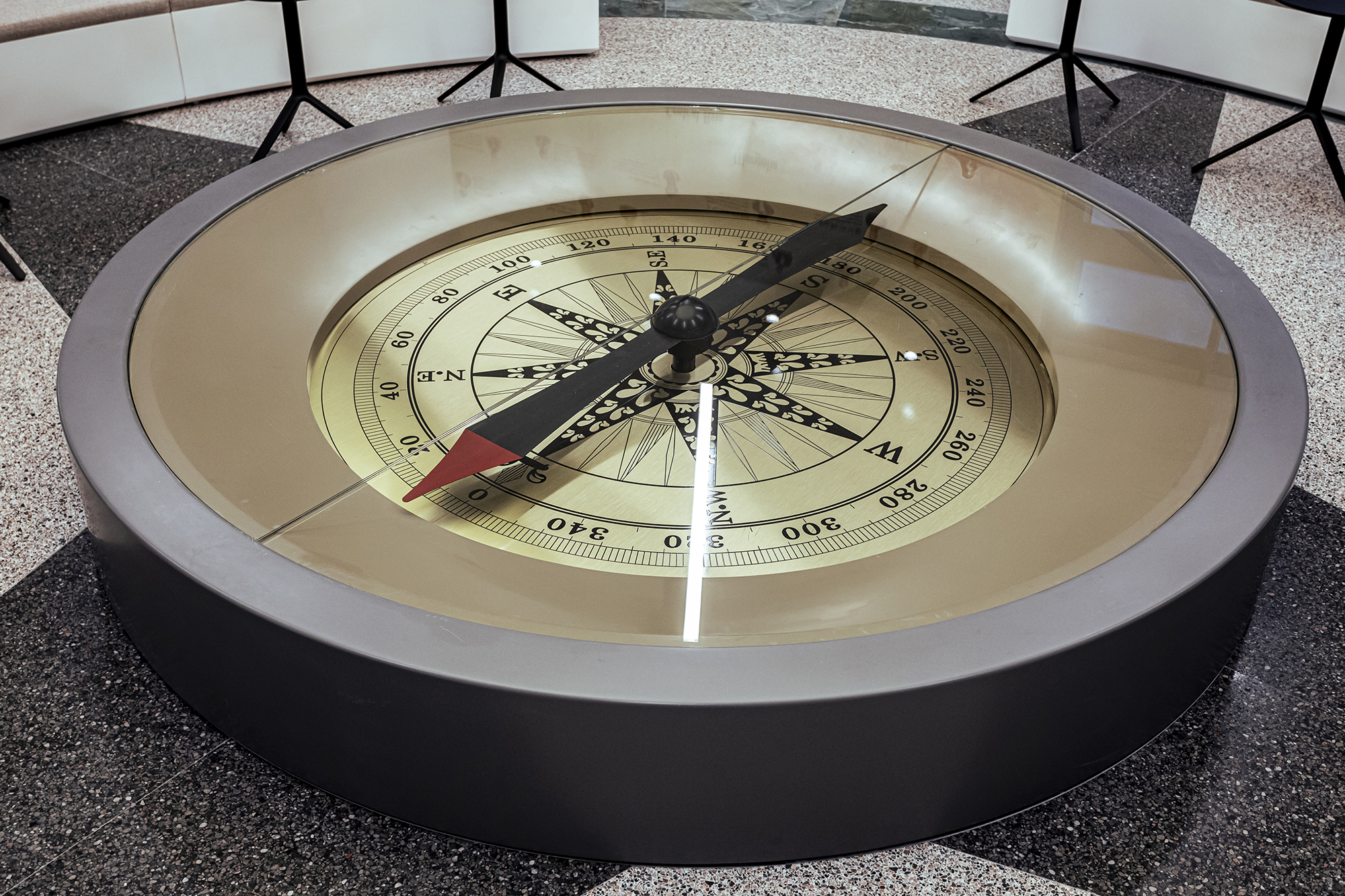
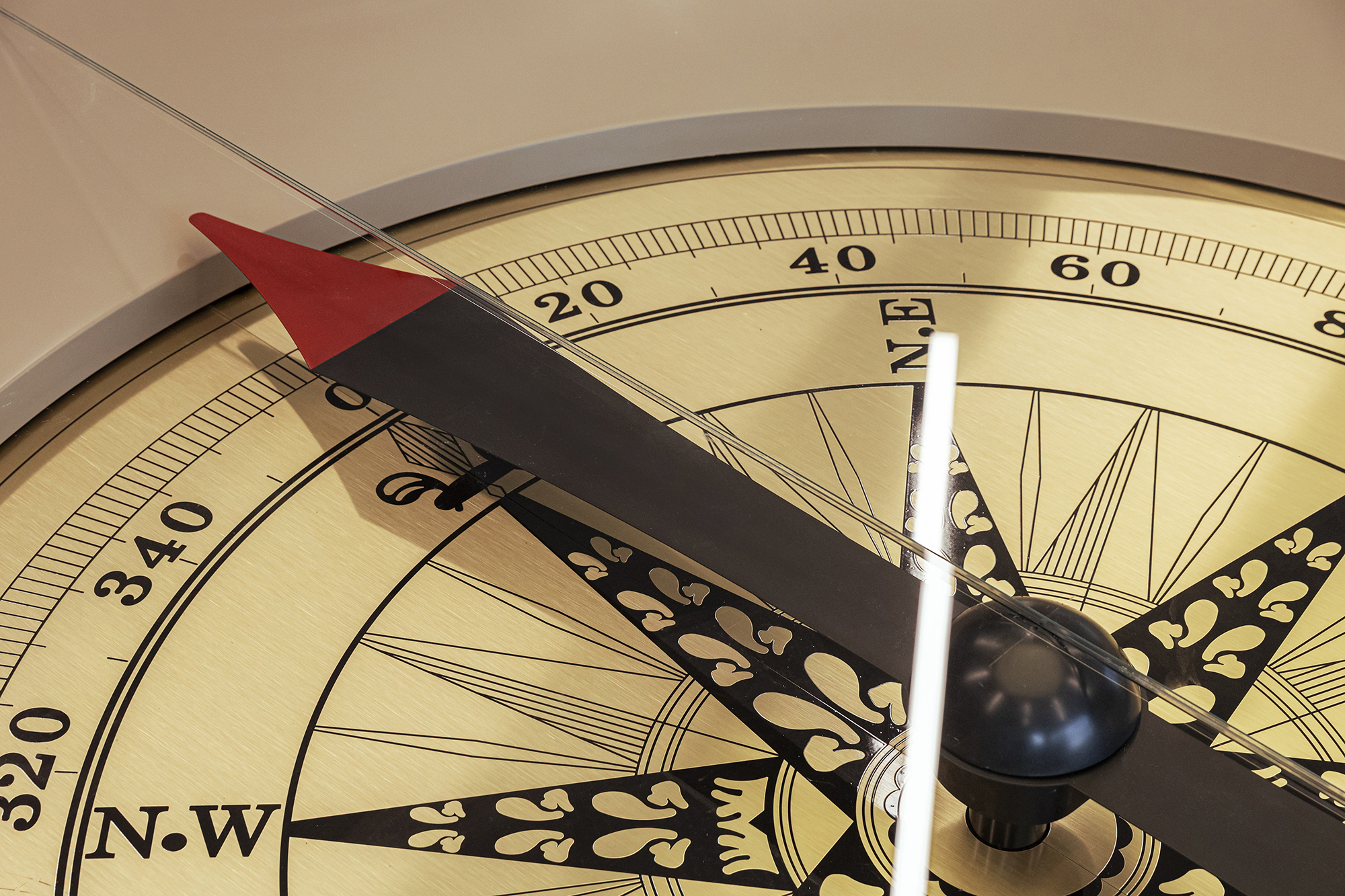
The central concept of the artwork lies in the transformation of trade into dialogue. Beyond material exchange, the Silk Road functioned as a channel for the circulation of ideas—scientific knowledge, artistic traditions, languages, religions, and worldviews. The visual emphasis on routes, vehicles, and figures underscores movement and connection, while the compass symbolizes humanity’s enduring desire to explore, understand, and orient itself within a wider world. Artistically, the work blends cartographic representation with narrative illustration, inviting viewers to see the Silk Road not merely as a historical map, but as a living system of cultural interaction where commerce became a catalyst for shared human progress.