Concrete Slabs – The Poetic Memory of Silence
Historical Context
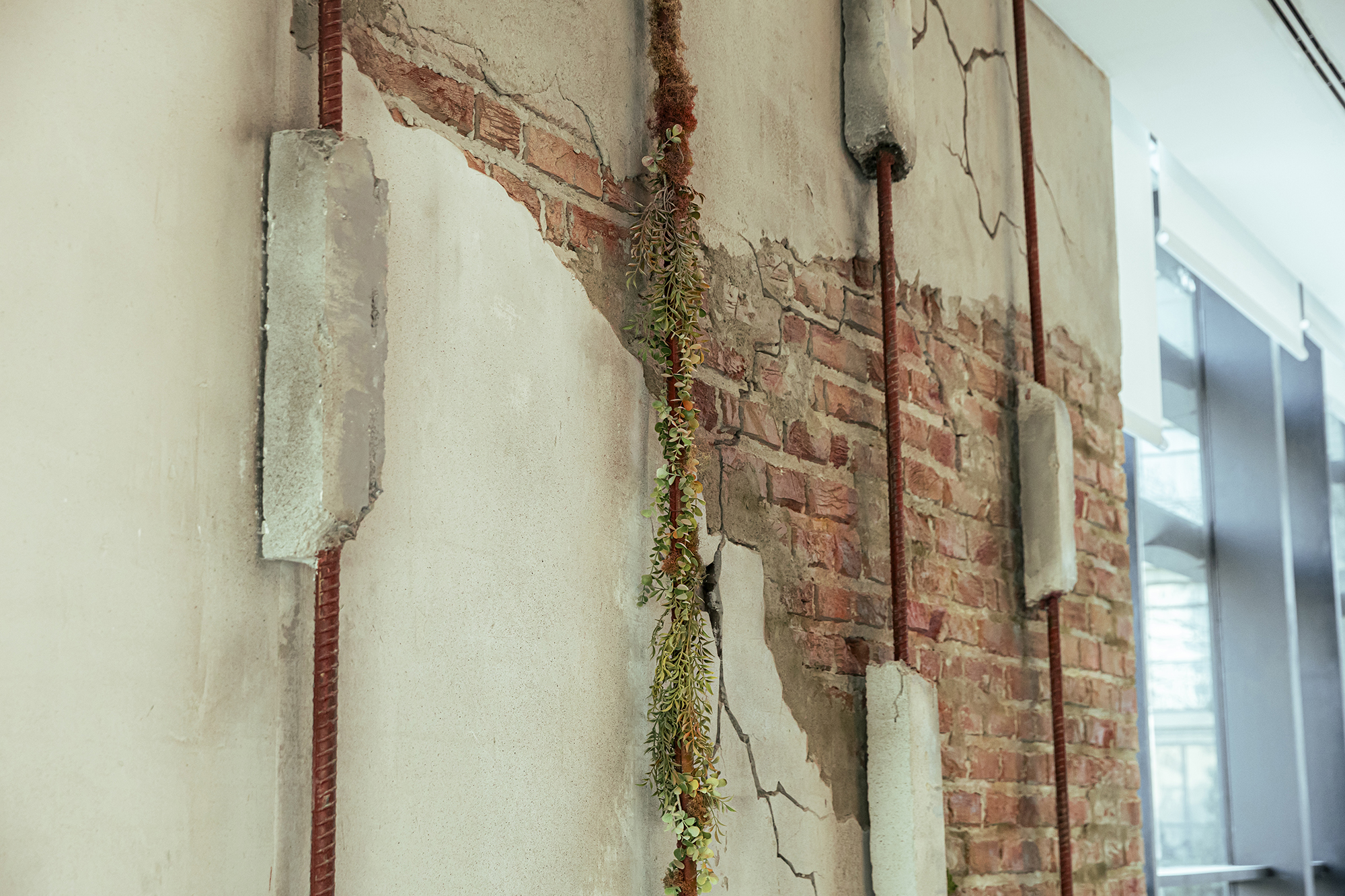
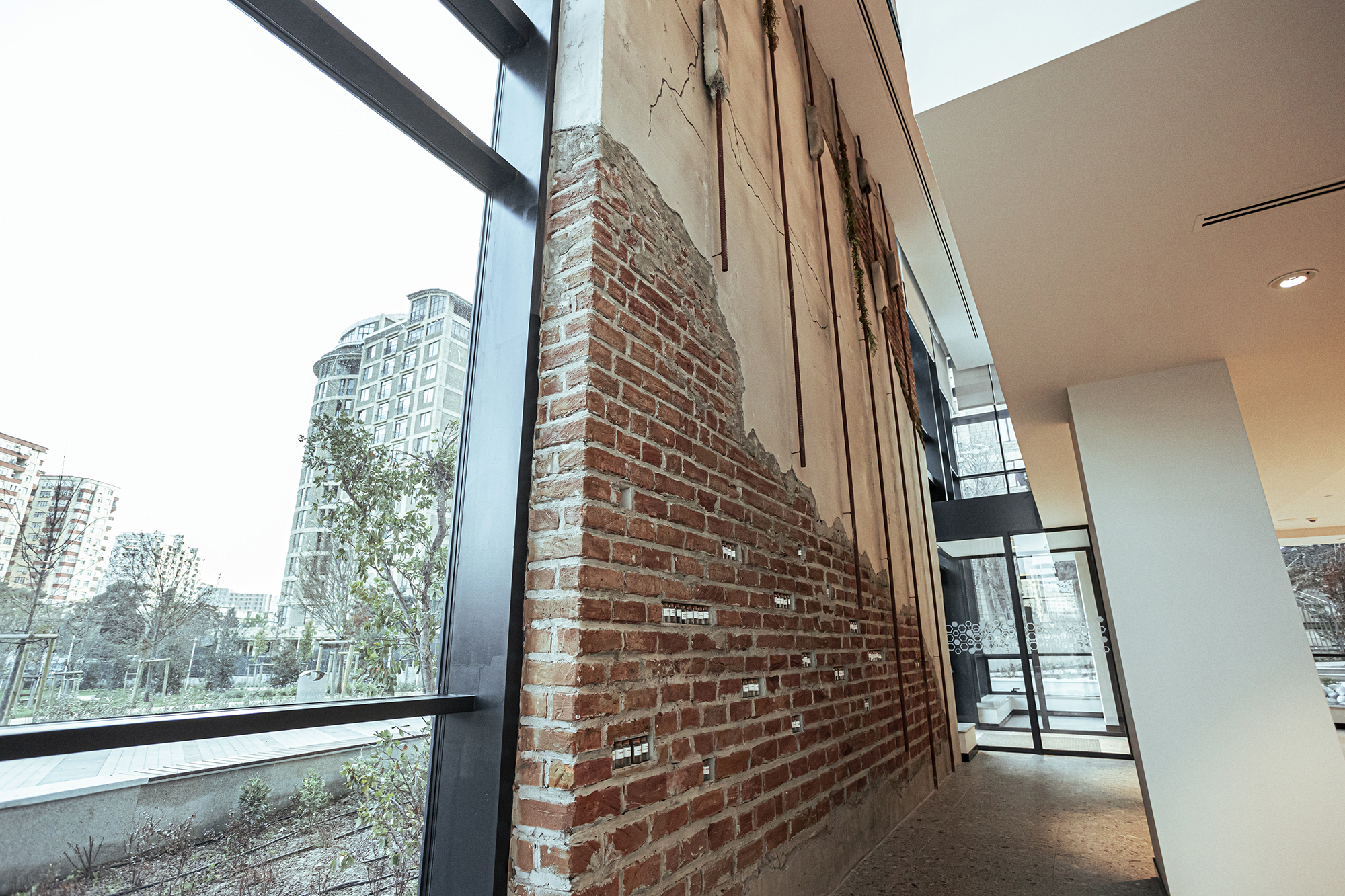
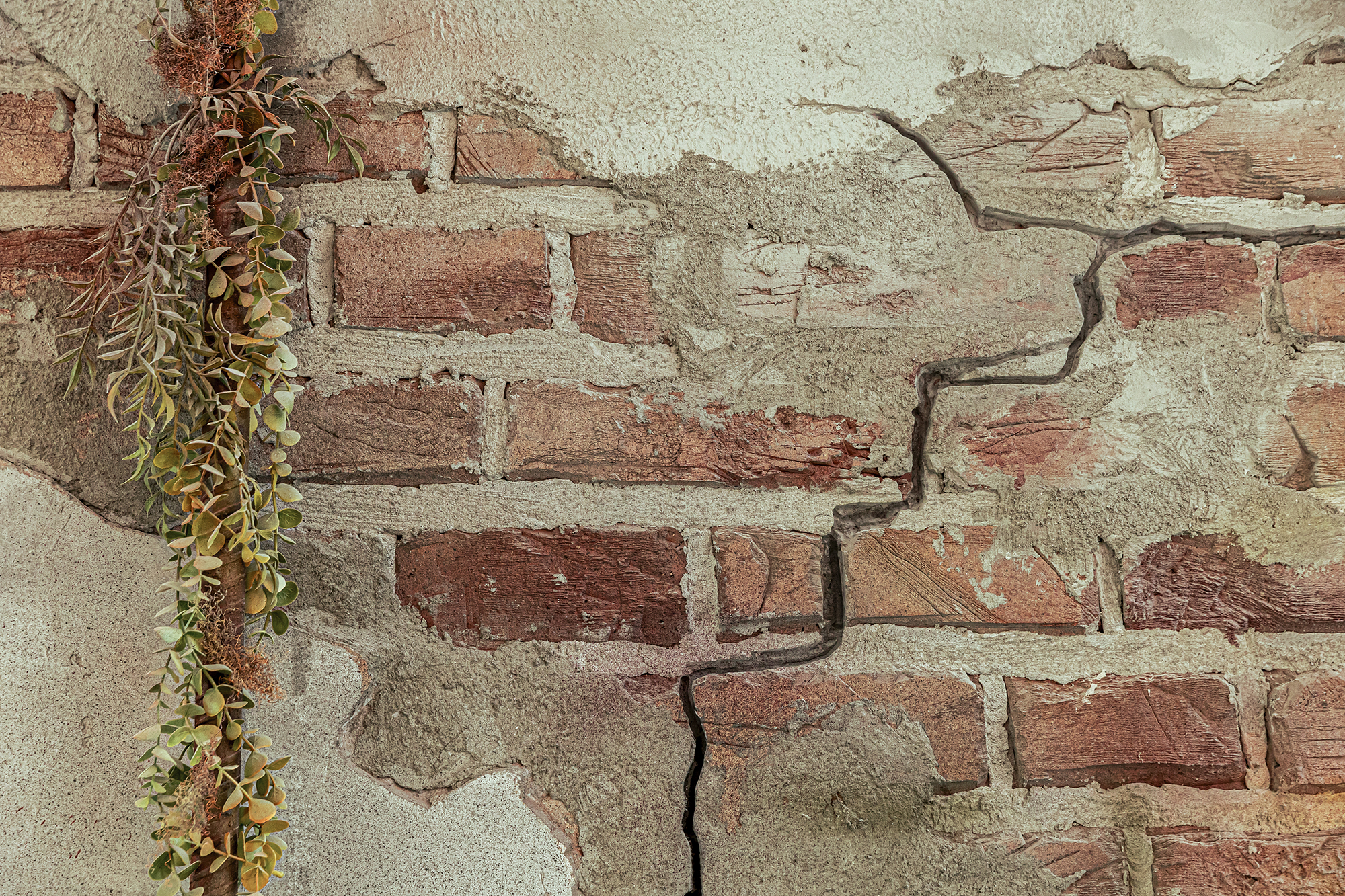
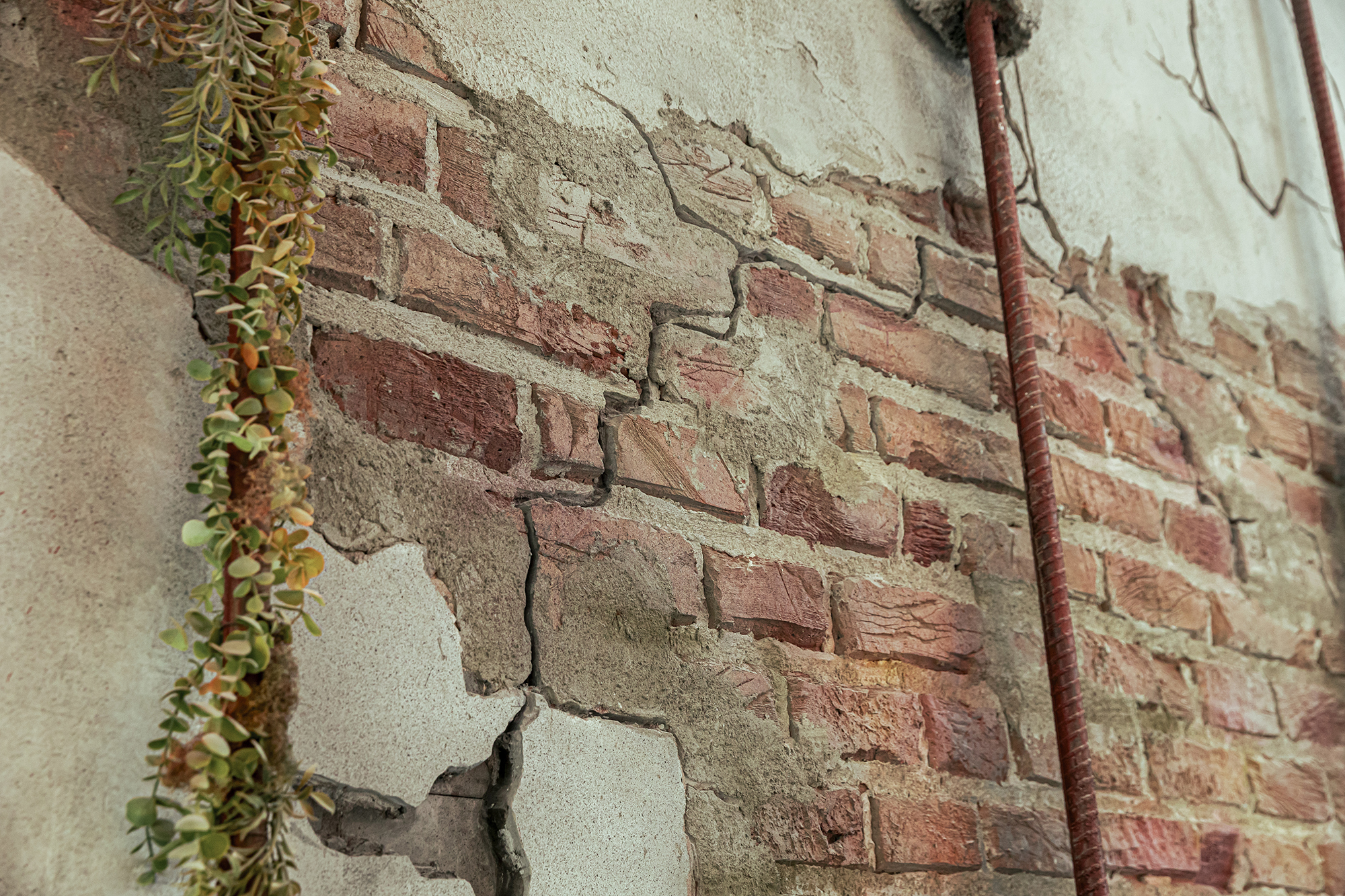
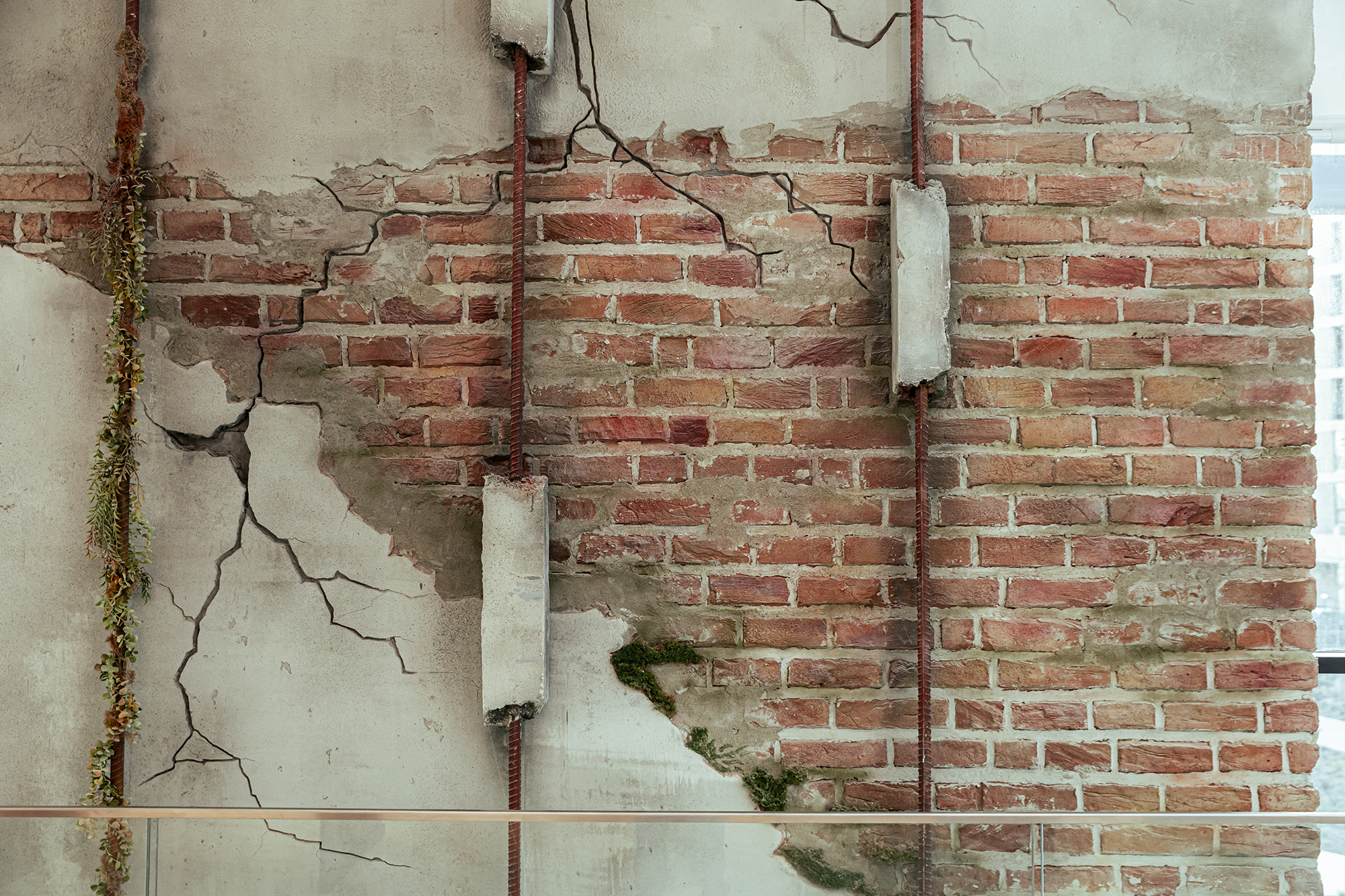
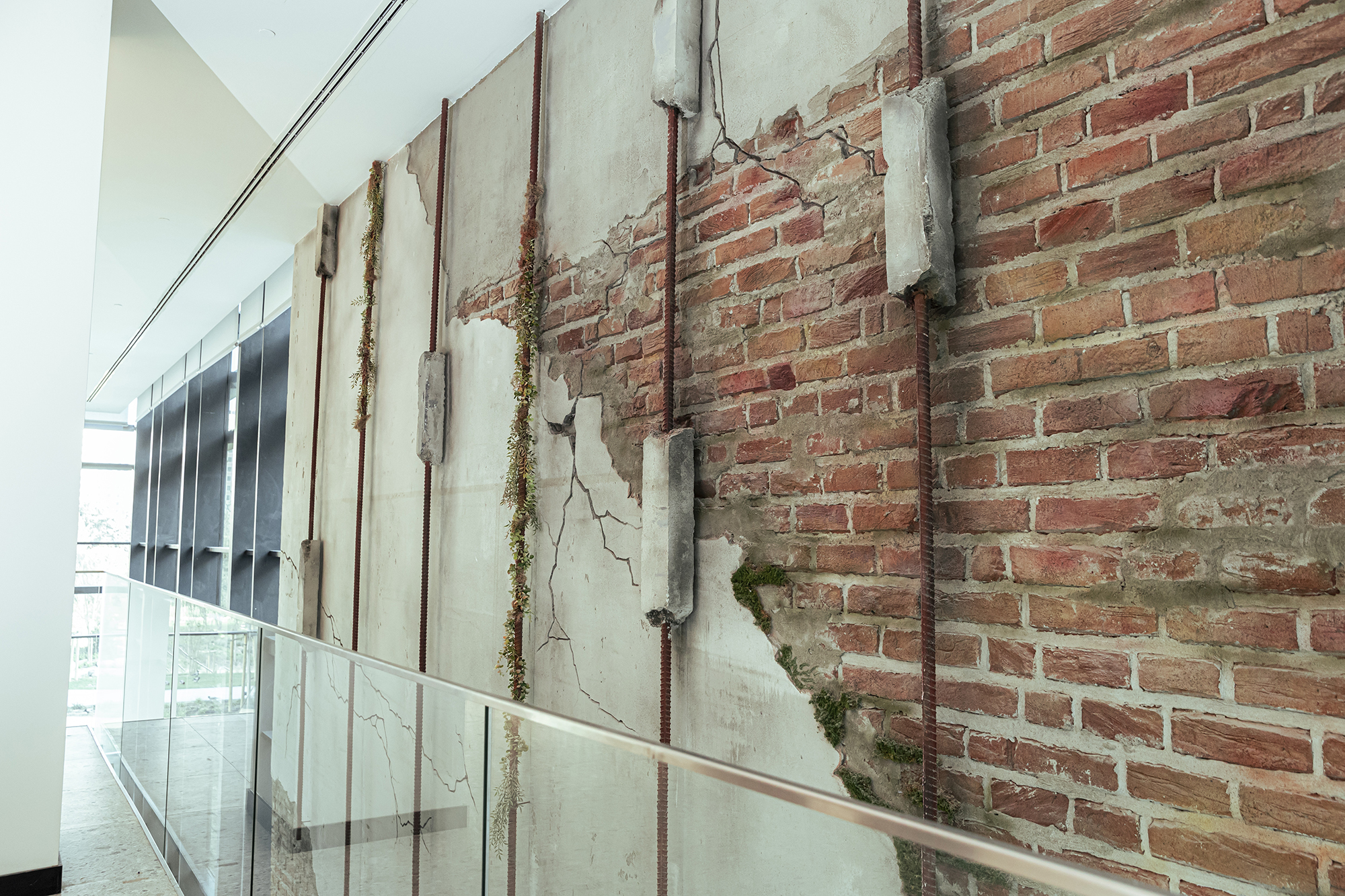
The background stretches into the distance: where once the breathing Topqapı forests stood, silent blocks of concrete now rise. The rustle of trees has been replaced by a heavy, haunting silence, as if nature’s heart has been torn out and replaced with a stone cage. This transformation reflects the larger history of urbanization and the human tendency to turn living landscapes into lifeless structures. The composition stands as a record of this change — a monument to what has been lost and a reminder of nature’s quiet suffering beneath human progress.
Cultural/Artistic Inspiration
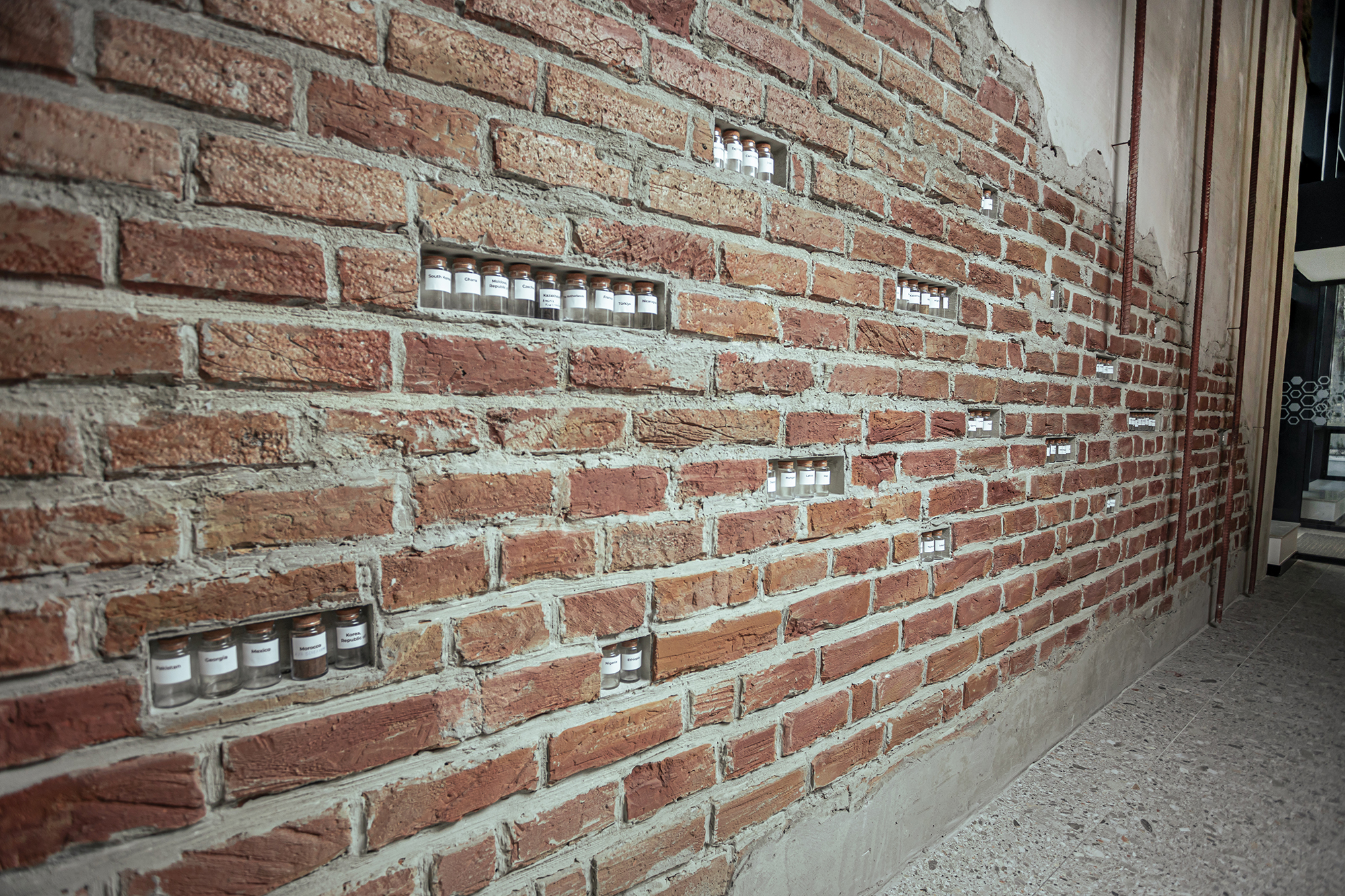
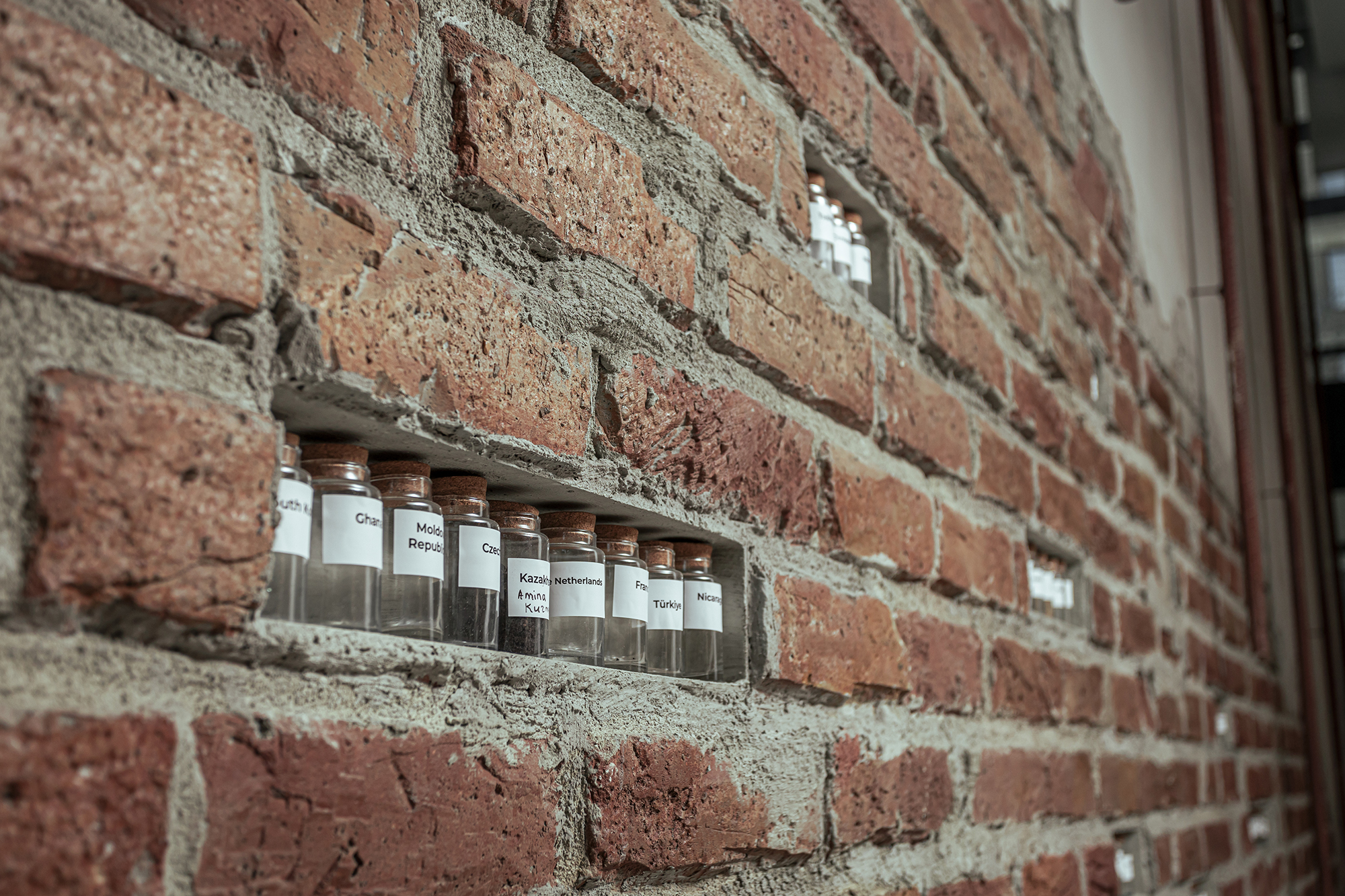
At the lower section lies a dark, still void — the memory vault of the earth. Within it rests the soil of Shusha. For those separated from their homeland but whose spirits remain rooted there, this becomes a sacred space of remembrance. Students arriving from across the world will bring soil from their native lands, carrying great stories in small handfuls. This act transforms the artwork into a collective ritual — a gathering of earth that transcends geography, embodying the preservation of identity, memory, and belonging. This composition is more than a physical depiction — it is poetry bound to the earth. Here, soil is portrayed not merely as a material substance but as a symbol of memory, identity, and rootedness. The contrast between concrete and soil expresses the duality of destruction and preservation: concrete and rust recall the wounds humanity inflicts upon nature, while soil represents the enduring hope for healing and regeneration. The work speaks softly yet profoundly — a call to protect what remains sacred while hope still exists.